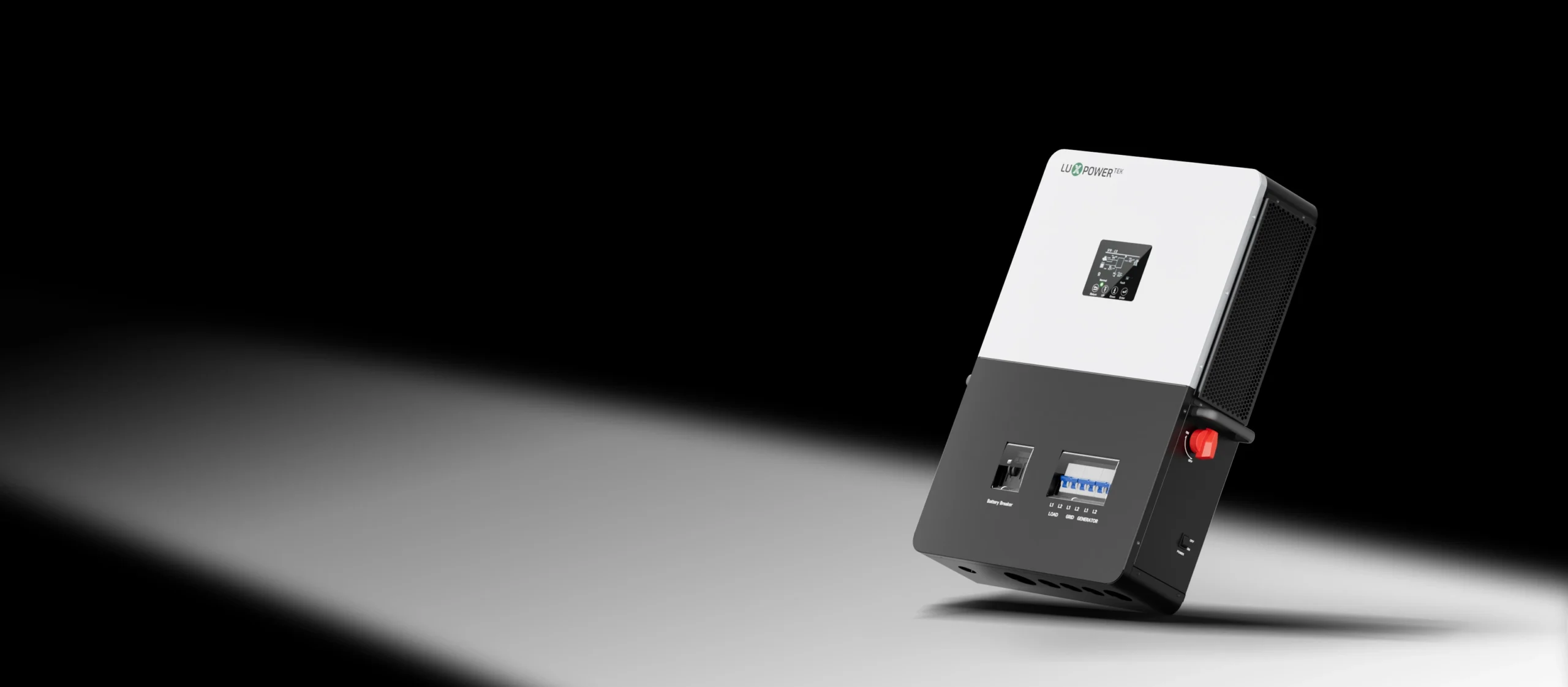
Discover the all-new SNA US 6K inverter, meticulously engineered to cater to the energy independence needs of small households comprising 2-4 individuals.This innovative product boasts a sleek exterior design while incorporating integrated load, generator, battery breakers.
FAQ
Product Basics:
What is the SNA-US 6K?
The SNA-US 6K is a residential energy storage inverter designed for North American applications. It integrates solar PV, battery storage and AC power sources to provide flexible energy management and backup power for residential loads.
Is the SNA-US 6K a hybrid or off-grid inverter?
The SNA-US 6K is designed primarily for energy storage and backup applications. It can work with PV, batteries and AC input sources. Available grid-interactive functions depend on the product version, system configuration and applicable local requirements.
Does the SNA-US 6K support 120/240V split-phase systems?
Yes. The SNA-US 6K is designed for North American split-phase residential power systems, allowing it to support applicable 120V and 240V household loads.
Can it power both 120V and 240V appliances?
Yes. In a properly configured split-phase system, it can supply applicable 120V loads as well as 240V loads. System capacity and individual load requirements must remain within the inverter’s operating limits.
Can the SNA-US 6K operate completely off-grid?
Yes. It can be used in off-grid applications with PV and battery storage, without requiring continuous utility-grid availability.
Can it work during a power outage?
Yes. When properly installed with battery storage and backup loads, the inverter can continue supplying power during a utility outage.
Can the inverter work without solar panels?
Yes. The system can operate using battery and an available AC source even when PV is not connected.
Can the SNA-US 6K work without a battery?
Available battery-free operation depends on the system configuration and operating conditions. For reliable backup operation, battery storage is recommended.
Can I add more batteries later?
Yes. Battery capacity can be expanded within the supported system limits, provided the additional batteries meet the required electrical and communication specifications.
Can one SNA-US 6K power my whole house?
It depends on the home’s simultaneous load demand. A 6kW inverter may support many essential household loads, but large appliances such as central air conditioners, electric water heaters, dryers, ranges and pumps must be considered during system design.
PV & Installation:
How much solar PV can I connect to the SNA-US 6K?
The allowable PV array size depends on the inverter’s PV input voltage, current, MPPT and maximum PV power specifications. Always design the PV array according to the latest datasheet and installation manual.
Can I connect solar panels facing different directions?
Where separate MPPT inputs are available, PV strings with different orientations can be assigned to different MPPTs. Strings connected to the same MPPT should have compatible electrical characteristics.
Can I oversize the PV array?
PV oversizing may be possible within the inverter’s specified PV input limits. Maximum open-circuit voltage, MPPT voltage range, input current and maximum recommended PV power must not be exceeded.
Can the inverter be installed outdoors?
Installation must follow the environmental and enclosure requirements of the exact SNA-US model. A protected, well-ventilated location away from flooding and excessive direct exposure is recommended.
What wire and breaker sizes should I use?
Wire and overcurrent protection sizing depend on system voltage, current, conductor length, installation method and applicable electrical codes. Follow the latest LuxpowerTek installation instructions and local code requirements.
Can the inverter be installed far away from the battery?
Battery cable length should be minimized where possible. Longer cables increase voltage drop and may require larger conductors. High-current battery systems require particular attention to cable sizing and connection quality.
Battery:
What type of battery does the SNA-US 6K support?
The inverter is designed to work with compatible low-voltage battery systems. Supported lithium batteries can communicate with the inverter through the appropriate BMS protocol.
Which lithium batteries are compatible?
LuxpowerTek supports communication with multiple battery brands and models. Refer to the latest LuxpowerTek battery compatibility list before selecting a third-party battery.
How much battery capacity do I need for a 6kW inverter?
Battery sizing depends on both required backup duration and maximum load power. Capacity in kWh determines how long loads can run, while the battery’s maximum discharge current determines how much instantaneous power it can provide.
Why can't I choose a battery based only on kWh?
Two batteries with the same kWh capacity can have different maximum discharge currents. If the battery cannot supply enough current, the inverter may be unable to deliver its full output even when sufficient stored energy remains.
Can multiple batteries be connected in parallel?
Compatible batteries can be expanded according to the battery manufacturer’s and LuxpowerTek’s supported configuration requirements.
Can I mix different battery brands?
Mixing different battery brands in the same battery bank is generally not recommended because BMS communication, voltage characteristics and charge/discharge limits may differ.
Can I mix old and new batteries?
This should generally be avoided unless specifically approved by the battery manufacturer. Differences in capacity, internal resistance and state of health can affect battery-bank performance.
What happens if BMS communication is lost?
The inverter may display a battery communication warning or limit battery operation depending on the configured battery mode. Check the communication cable, battery protocol and BMS status.
Generator & AC Input:
Can I connect a generator to the SNA-US 6K?
Yes, when supported by the system configuration. A compatible generator can provide an additional AC energy source when solar and battery energy are insufficient.
Can the generator charge the battery?
Yes. Generator power can be used to charge the battery when generator charging is enabled and correctly configured.
Can a generator power the loads and charge the battery at the same time?
This can be supported depending on generator capacity and inverter settings. The available generator power must be sufficient for both load demand and the configured charging power.
What size generator should I use?
Generator sizing should consider household load demand, desired battery charging power and generator continuous output. The generator should also meet the inverter’s acceptable AC voltage and frequency requirements.
What happens if my generator is too small?
If load demand plus battery charging demand exceeds available generator power, charging power should be limited accordingly. Improper sizing may cause generator overload or unstable operation.
Can the inverter automatically start a generator?
Generator control availability depends on the SNA-US version and system configuration. Where supported, generator start/stop can be controlled according to configured operating conditions.
Backup & Load Management:
What happens when the utility power goes out?
The inverter detects the loss of AC input and supplies the connected backup loads using available battery and solar energy according to the system configuration.
Will my entire house automatically stay powered during an outage?
Only loads connected to the configured backup system can be supplied. Whether this includes the entire home depends on the electrical design and total load capacity.
Can it start an air conditioner?
Potentially, but air conditioners can have starting power significantly higher than their normal running power. The inverter’s surge capability, battery discharge capability and other simultaneous loads must all be considered.
Can it run a well pump?
It can support compatible pump loads when both running and starting requirements fall within the system capability. Motor starting current should be checked during system design.
What happens if the loads exceed the inverter's output capability?
The inverter may enter overload protection if load demand exceeds its supported operating or surge limits. Reduce the connected load before restarting if protection is triggered.
Why can a 6kW inverter sometimes fail to start an appliance rated below 6kW?
The appliance’s nameplate normally shows running power, while motors and compressors may require several times their normal current during startup. Battery capability and other simultaneous loads also affect whether the appliance can start successfully.
Working Modes & Energy Management:
Can solar power be prioritized for household loads?
Yes. The system can be configured to use available solar energy for household loads according to the selected operating strategy.
Can excess solar charge the battery?
Yes. Available PV energy can be used to charge the battery according to the selected operating mode and battery settings.
Can the battery be charged from an AC source?
Yes. AC charging can be enabled where required, subject to the selected operating mode and system settings.
Can I schedule battery charging?
Supported scheduling functions allow battery charging and discharging to be managed according to different time periods.
Can I keep some battery capacity reserved for outages?
Yes. Minimum SOC and related battery settings can be used to preserve an appropriate backup energy reserve.
What happens when the battery reaches the minimum SOC?
Battery discharge will be limited or stopped according to the configured battery protection and operating settings.
AC Coupling & Existing Solar:
Can I add the SNA-US 6K to an existing solar system?
Depending on the existing system architecture, retrofit applications may be possible. The existing PV inverter, electrical topology, battery system and intended backup functionality should be reviewed before installation.
What is AC coupling?
AC coupling allows an existing or additional PV inverter to be integrated on the AC side of an energy storage system rather than connecting all solar panels directly to the SNA’s DC PV inputs.
Can I keep my existing grid-tied solar inverter?
Potentially. Whether it can be retained depends on the existing inverter, system wiring and required operating behavior during normal grid operation and outages.
Will my existing grid-tied solar inverter continue generating during a blackout?
A conventional grid-tied inverter normally shuts down when the utility grid is lost. Whether it can continue operating as part of an AC-coupled backup system depends on system architecture and equipment compatibility.
Parallel & Expansion:
Can multiple SNA-US 6K inverters operate in parallel?
Parallel capability depends on the specific SNA-US model/version. Where supported, multiple compatible units can be configured to increase system power.
Can I start with one inverter and expand later?
Where parallel operation is supported, the system can be designed with future expansion in mind. Compatibility, firmware, wiring and battery configuration should be verified before adding units.
Can I add more battery capacity later?
Yes, within the supported battery-system limits and manufacturer requirements.
Do parallel inverters need compatible firmware?
Yes. Inverters operating together should use compatible firmware to ensure correct communication and coordinated operation.
Monitoring & LuxCloud:
Can I monitor the SNA-US 6K remotely?
Yes. With the appropriate communication device and internet connection, users can monitor system operation through the LuxpowerTek monitoring platform.
What can I see in LuxCloud?
Depending on system configuration, users can view PV generation, battery status, AC input, load consumption, operating status and historical energy data.
Does the inverter stop working if the internet goes down?
No. The inverter’s core local operation does not depend on a continuous internet connection. Remote monitoring will be interrupted until connectivity is restored.
Why does LuxCloud show the inverter as Offline while my loads still have power?
This usually indicates a communication or network problem rather than an inverter power fault. Check the router, communication device and network connection.
Can an installer troubleshoot the system remotely?
Authorized installers can use supported LuxpowerTek monitoring and configuration tools to assist with remote diagnosis and system configuration.
Can firmware be updated remotely?
Supported firmware updates can be performed remotely when the system is properly connected to the LuxpowerTek platform.
Troubleshootings:
Why is my battery not charging?
Check the battery SOC, BMS status, charge settings, AC/PV availability and charging schedule. Battery protection conditions can also temporarily prevent charging.
Why is my battery not discharging?
Check minimum SOC, operating mode, discharge schedule, BMS limits and battery protection status.
Why is there no solar production?
Check PV voltage, DC breakers/isolators, polarity, solar irradiance and MPPT operating conditions.
Why does the inverter switch to AC input even though the battery still has energy?
This may be caused by minimum SOC settings, operating mode, battery discharge limits, scheduled settings or a battery protection condition.
Why does the inverter shut down when a large appliance starts?
The appliance may require a high startup surge. Check the appliance starting current, battery discharge capability, battery SOC and other loads operating at the same time.
Why does the inverter show a battery communication fault?
Check the BMS communication cable, battery communication protocol, battery address/settings and battery operating status.
Why does the inverter show an AC input fault?
Check AC input voltage, frequency, wiring and breaker status. Generator users should also verify that generator output is stable and within the inverter’s acceptable input range.
What information should I provide when contacting LuxpowerTek support?
Provide the inverter model, serial number, battery model, system configuration, fault code, screenshots, approximate time of the issue and relevant wiring photos or diagrams. This will help the technical support team diagnose the system more efficiently.
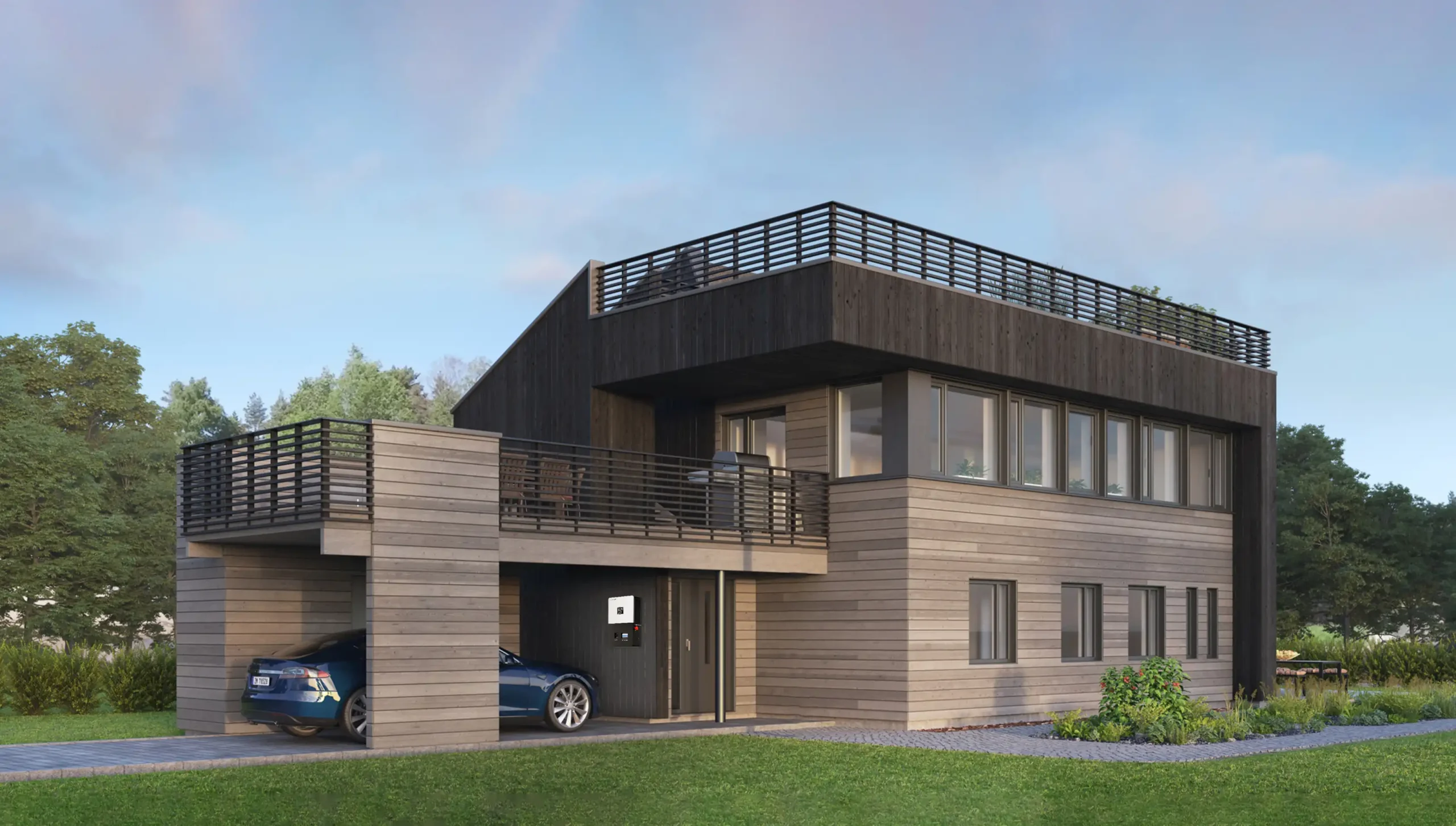
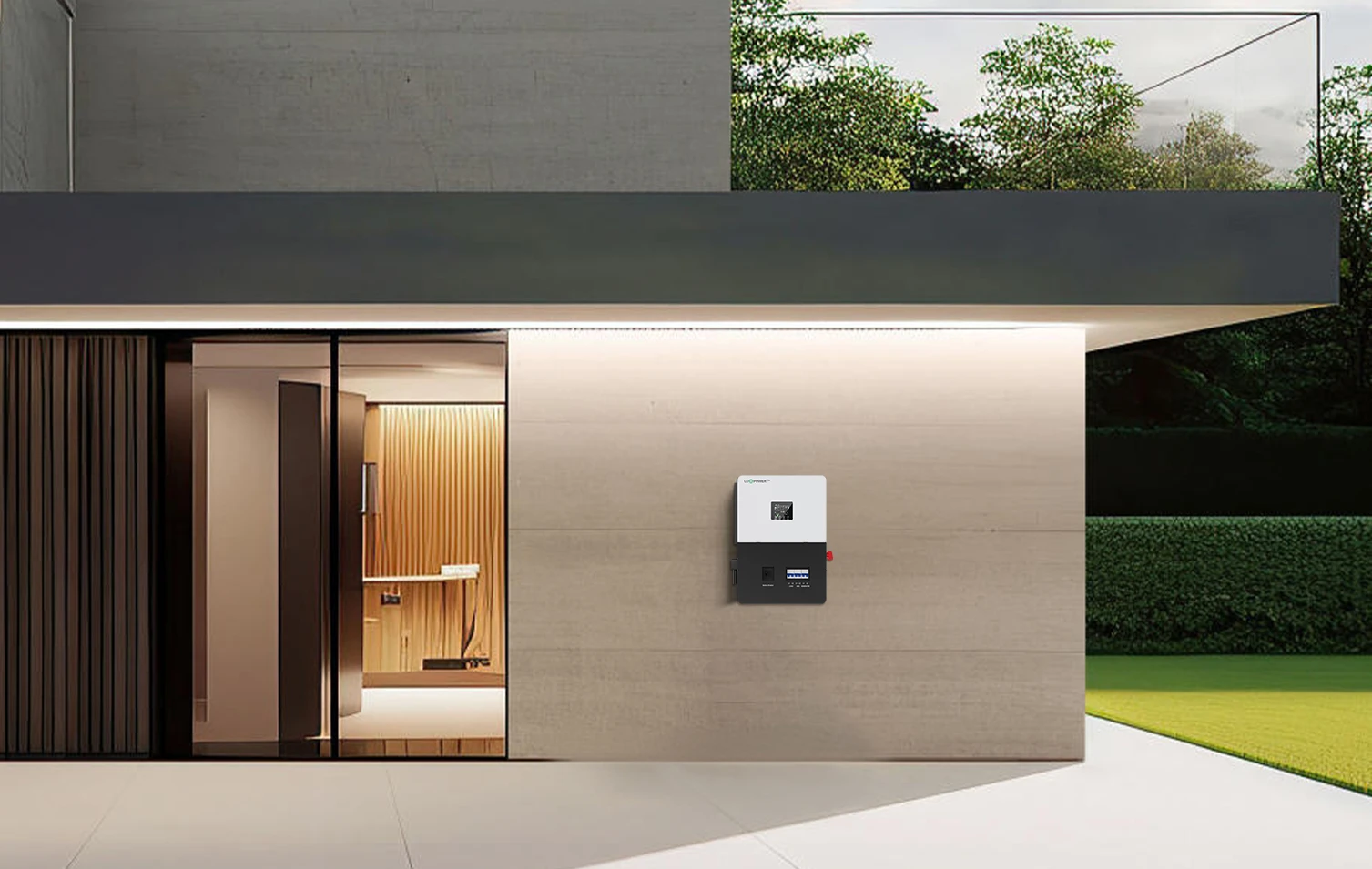
Discover the all-new SNA US 6K inverter, meticulously engineered to cater to the energy independence needs of small households comprising 2-4 individuals.This innovative product boasts a sleek exterior design while incorporating integrated load, generator, battery breakers.
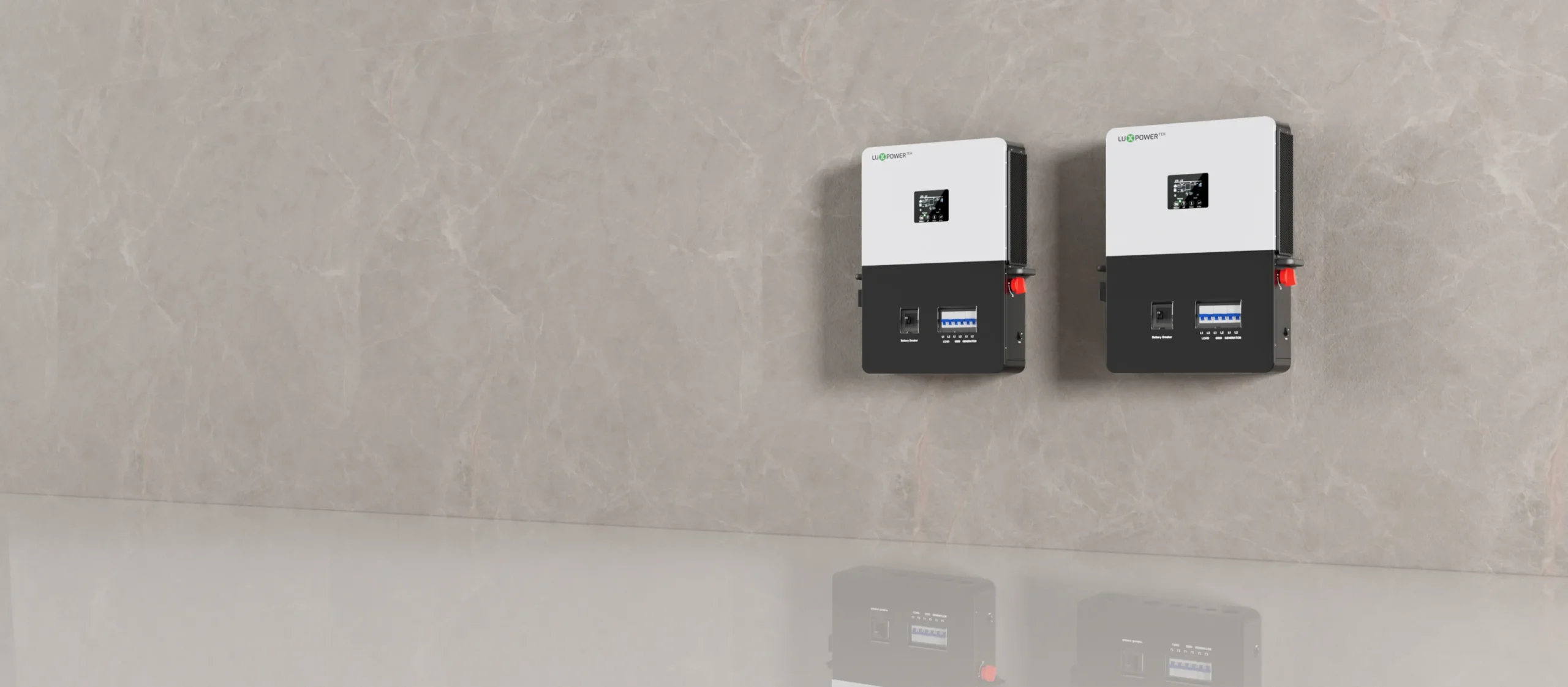
Designed with compactness in mind, the SNA US 6K inverter facilitates effortless installation, making it a seamless addition to your energy infrastructure. Safety is paramount, and this inverter ensures top-tier security features to safeguard both users and connected systems.
Unveiling a novel dimension, the SNA US 6K inverter isn’t just limited to grid-connected usage; it also offers autonomous power generation to supply power in conjunction with the grid. This dual capability caters to regions with varying power supply conditions, allowing for smooth transitions between grid-connected and off-grid modes. This makes it an ideal solution for remote areas and places with unstable power supply, enabling direct off-grid utilization.
- 240V/120V off-grid split-phase output
- Supports up to 16pcs in parallel
- Off-grid seamless switching
- AFCI protection integrated
- Dedicated port for generator, AC coupling or smart load management
- Breakers (Gen, Load and Battery) and PV switch are integrated
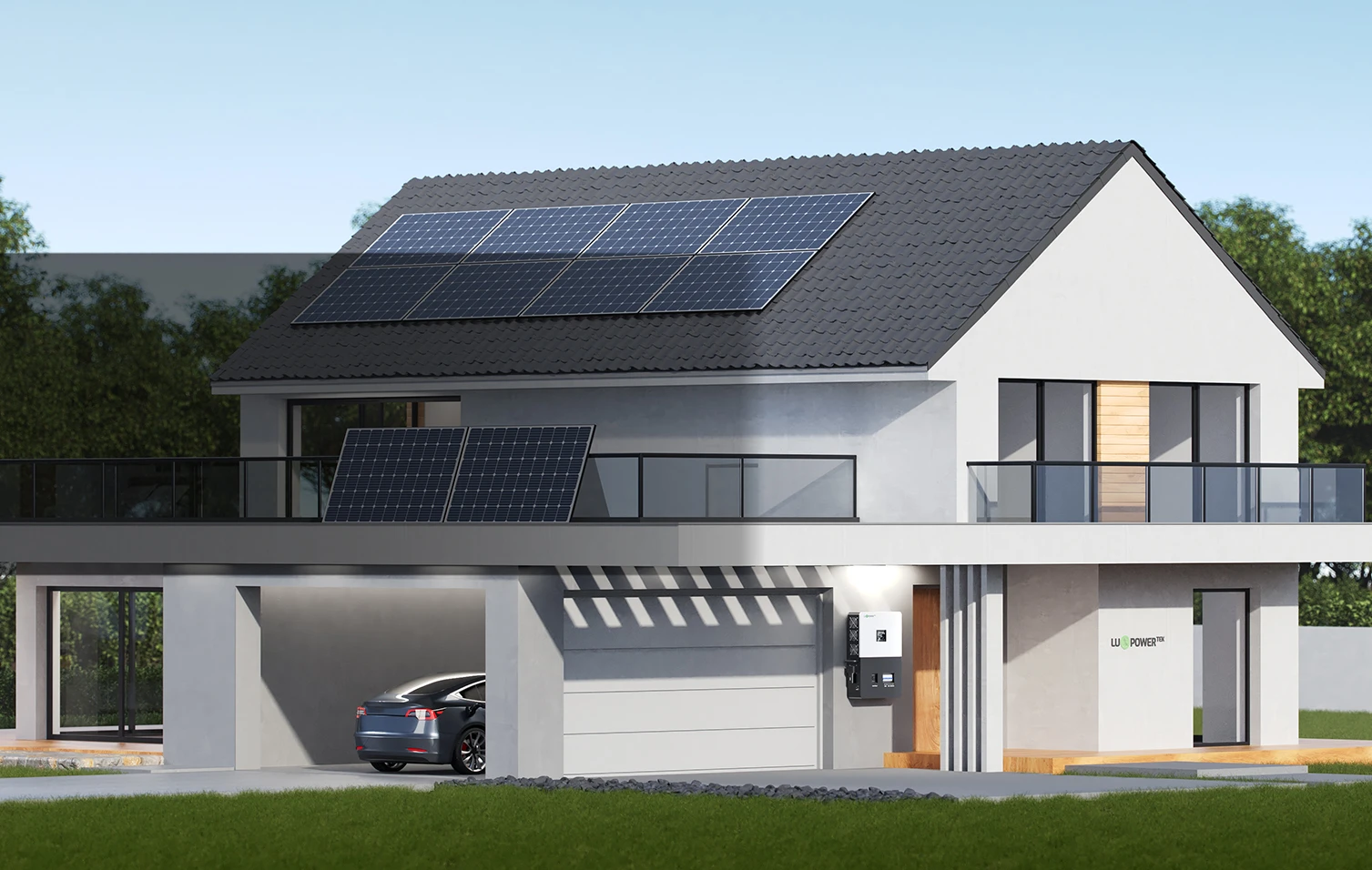
Experience Residential Energy Independence with an Innovative Solution
Introducing the SNA US 6K inverter: compact, seamlessly integrated, and designed for both grid-connected and autonomous power generation. Ideal for small households, it ensures reliability in any condition, making off-grid living effortless.
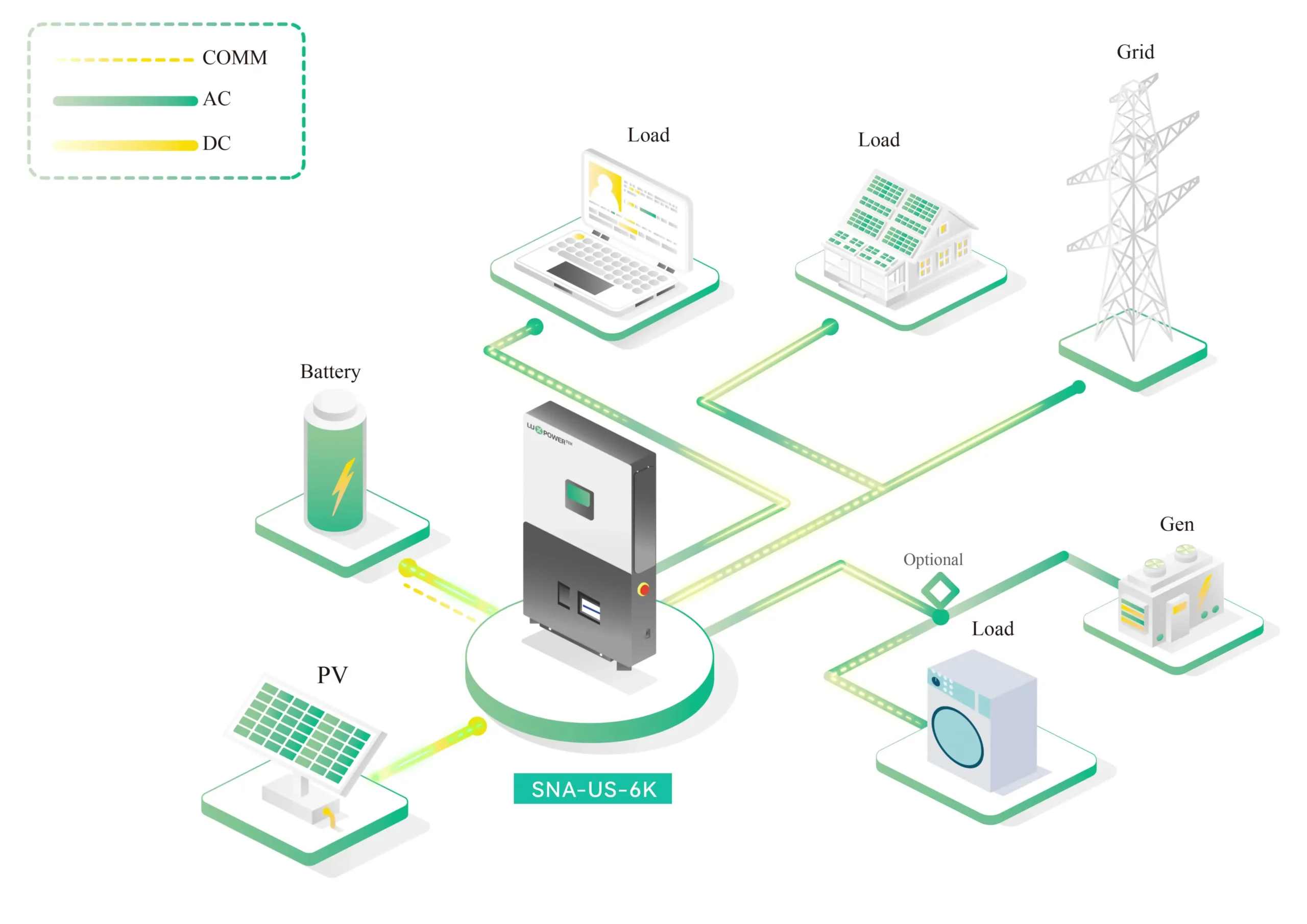
SNA US 6K , designed for off-grid energy storage applications, features a dedicated generator interface and an EPS interface with a 6kW output power.
By connecting essential household loads to the EPS port, the system seamlessly switches to off-grid mode during grid instability, ensuring uninterrupted power supply for household activities.
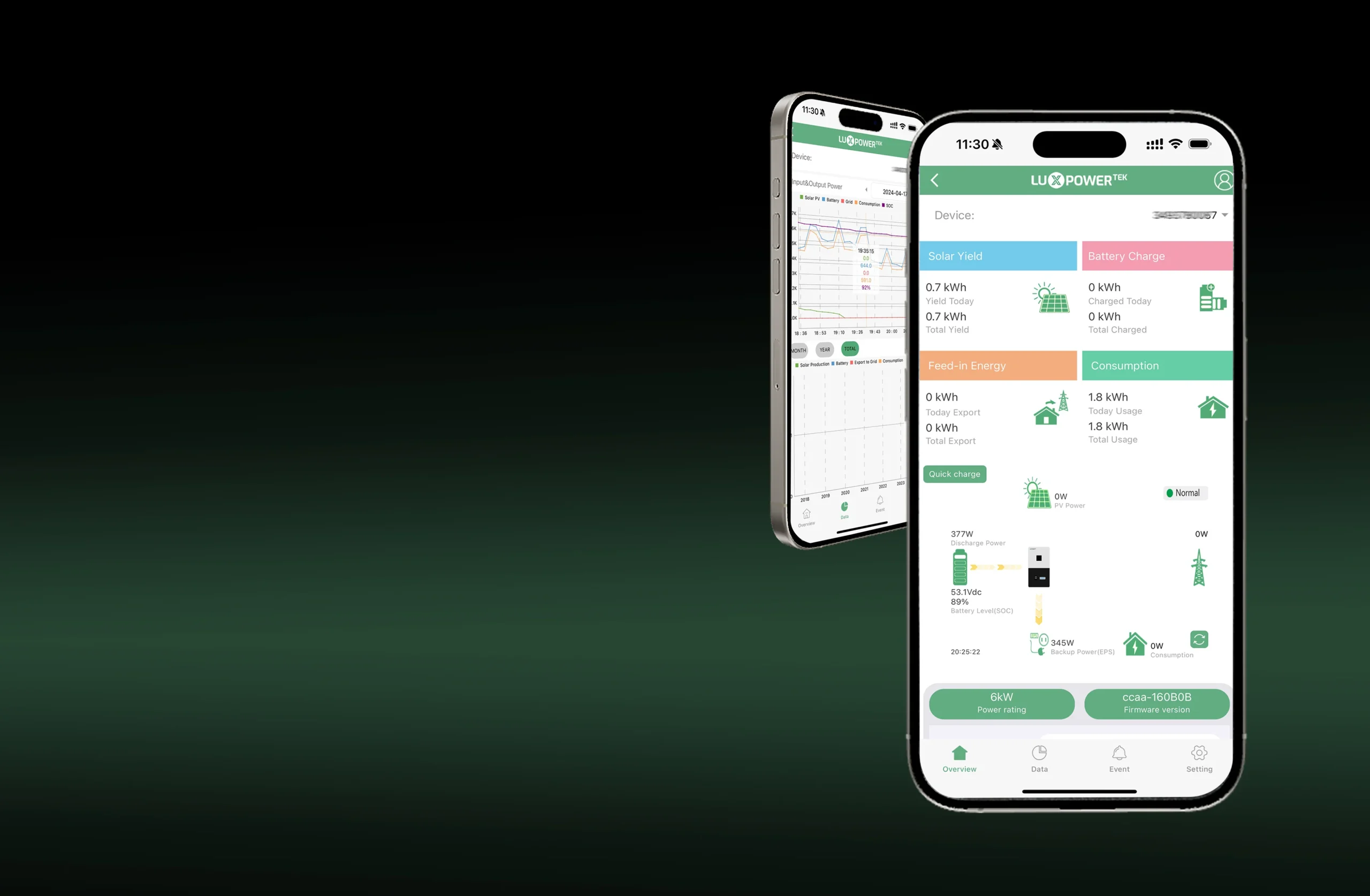


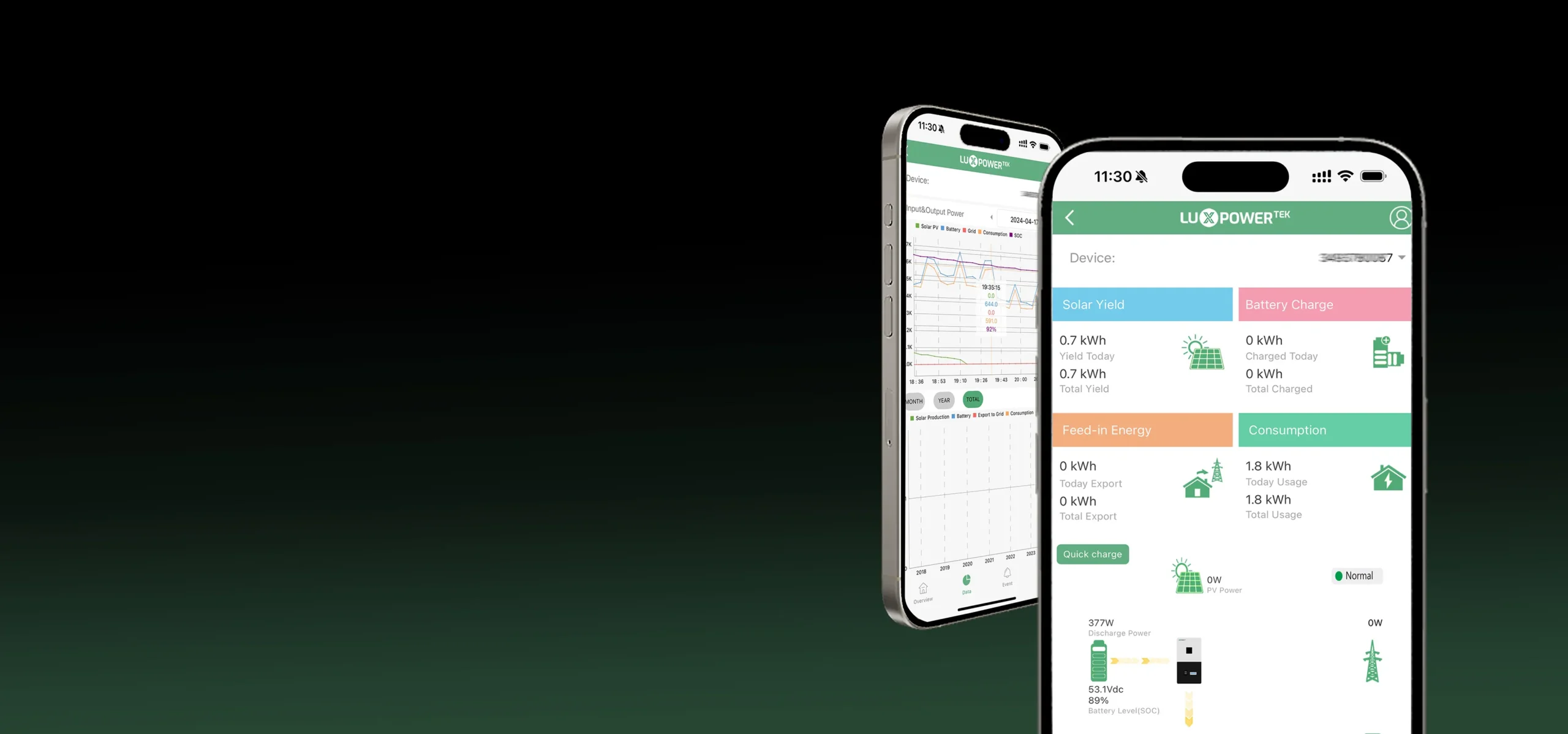
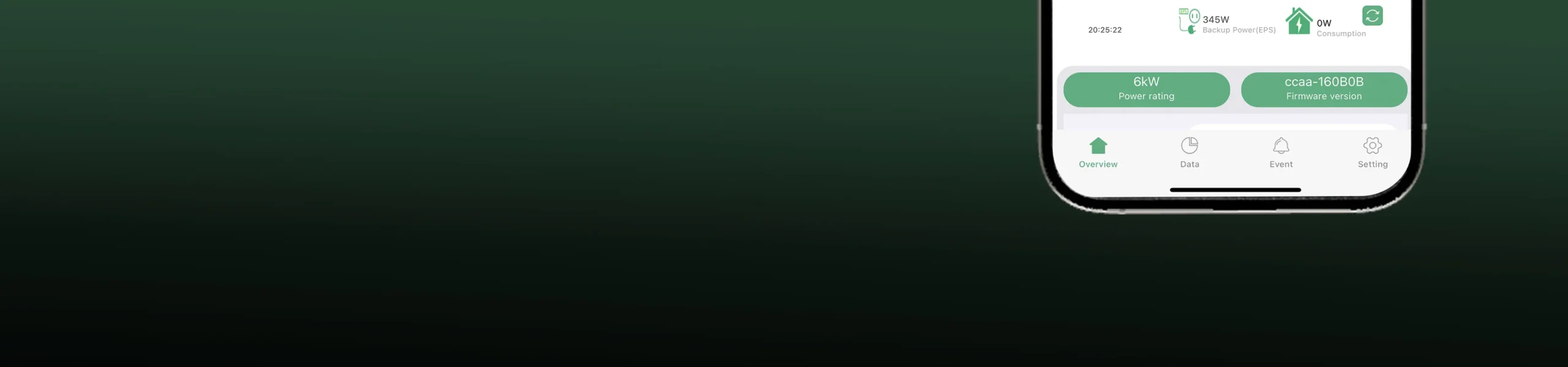
Simplify your monitoring experience
With our platform, gain real-time insights, remote management capabilities,and seamless control over your devices. Make informed decisions and optimize performance effortlessly.
Want to Learn More About SNA US 6K?
Datasheet

UserManual
Certificate
Q&A