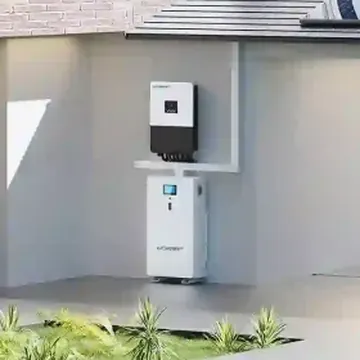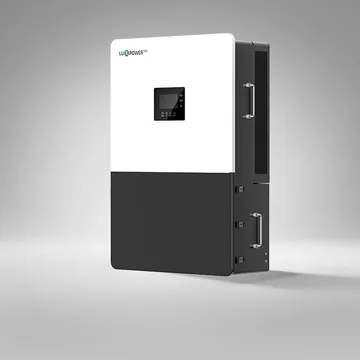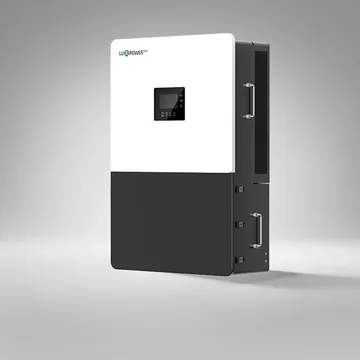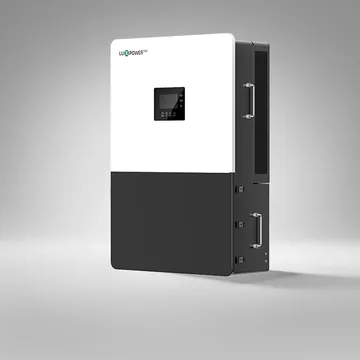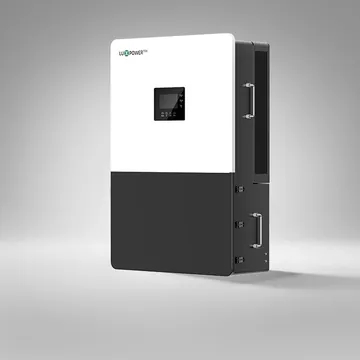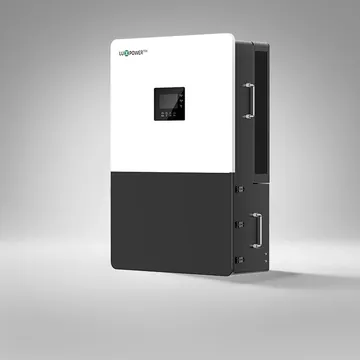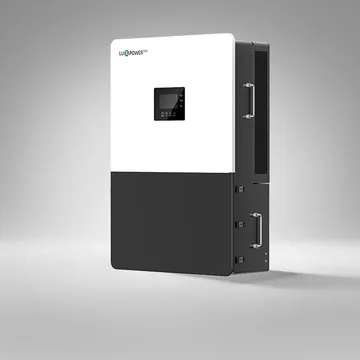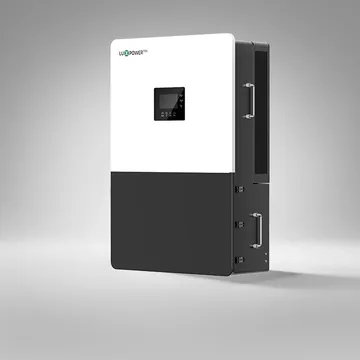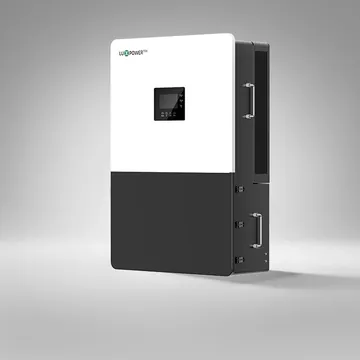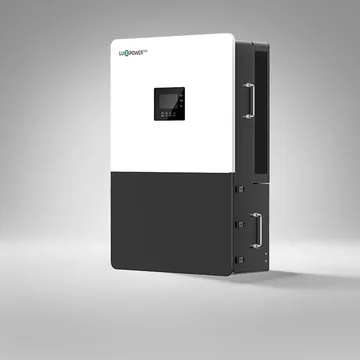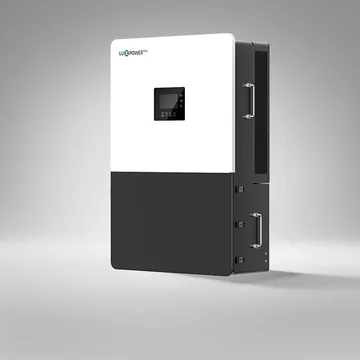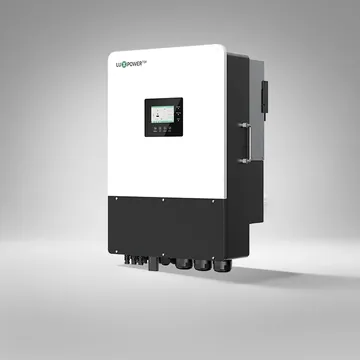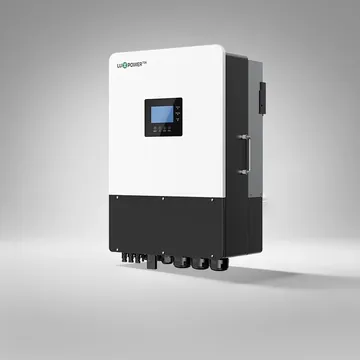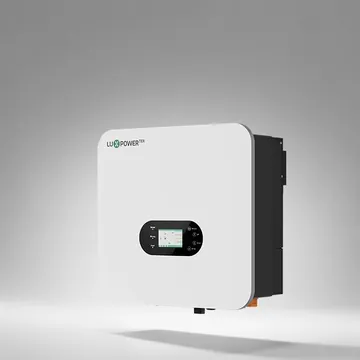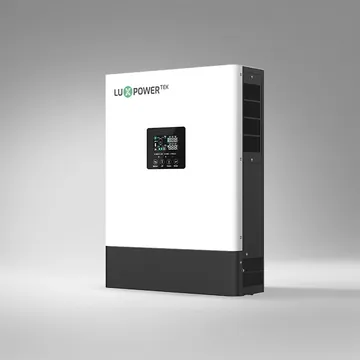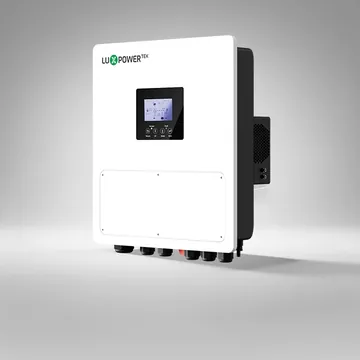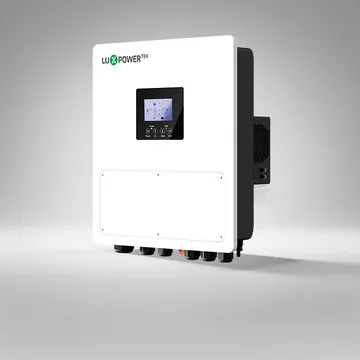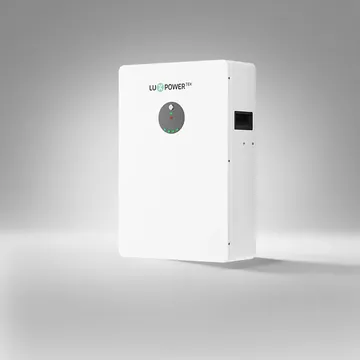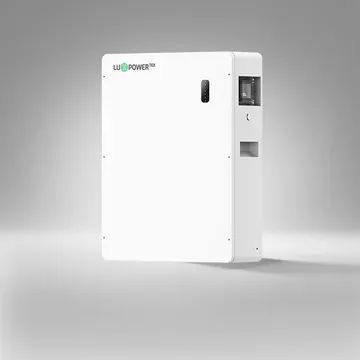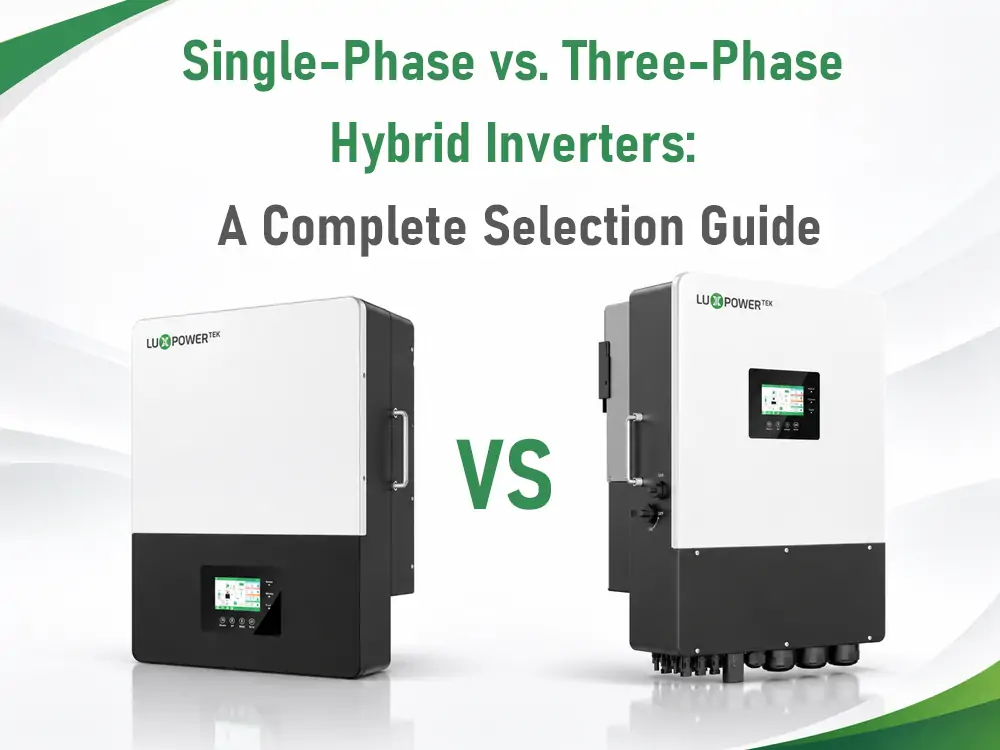
Introduction Solar energy has become an integral source. But directly consuming solar energy is challenging. To address these conversion challenges, hybrid inverters have emerged. Because energy demands differ, hybrid inverters come in single-phase and three-phase versions. Each type differs and suits different applications. Today, we will learn about single-phase and three-phase hybrid inverters and how…
Category Archives: About Products
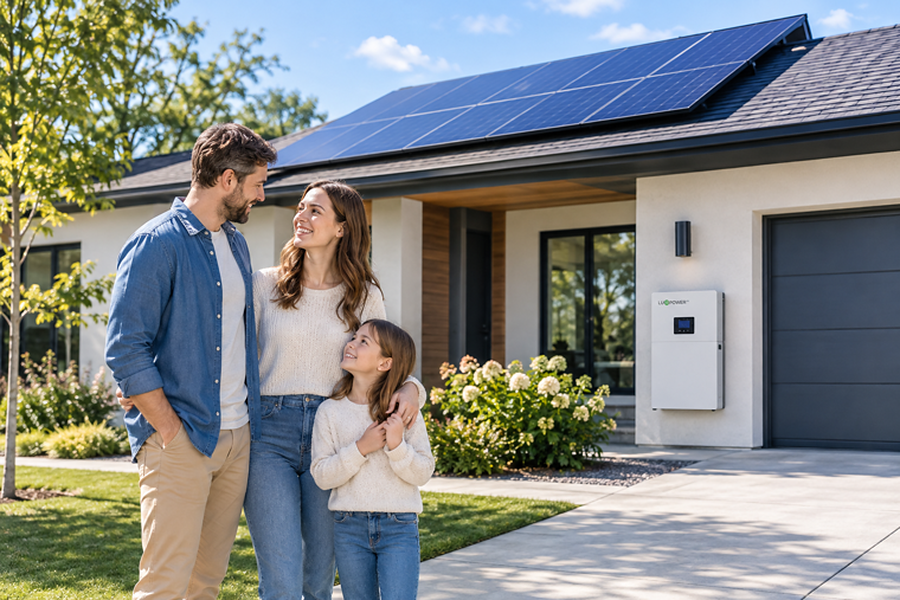
The best home battery backup system in 2026 is the one sized to the loads a household keeps running during an outage, built on lithium iron phosphate cells, and matched to an inverter that absorbs motor surge without tripping. No single model wins for every house, so the practical question is which configuration fits a…

An off-grid inverter supports independent power supply. A hybrid inverter coordinates solar, batteries and grid interaction. An Eco-Hybrid inverter combines an off-grid foundation with additional hybrid operating modes. At LuxpowerTek, we start an off grid vs hybrid inverter comparison with the same practical question: how should the system use the grid when it is available,…
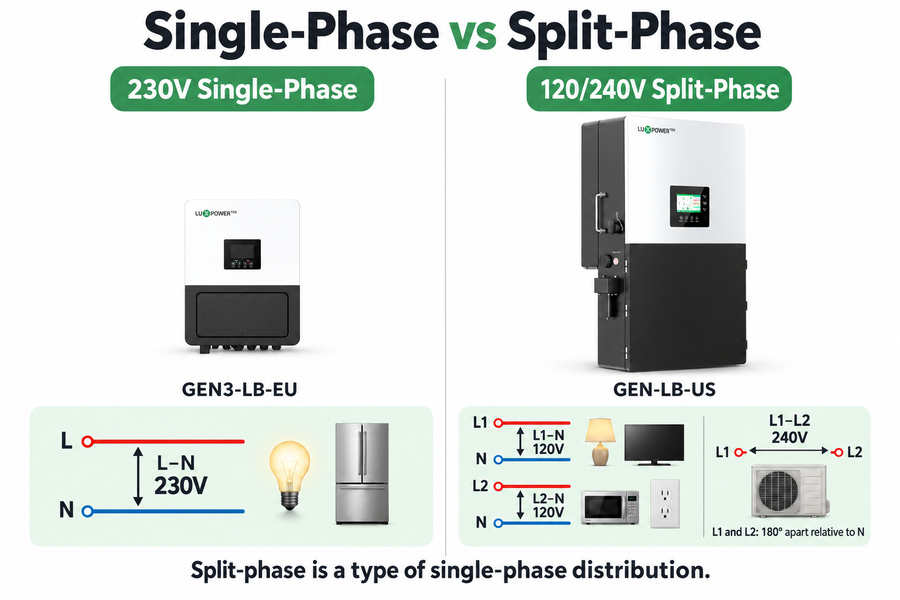
When choosing between a split-phase and single-phase inverter, start with the property’s electrical service rather than the inverter’s headline power rating. In electrical terms, split-phase is a type of single-phase distribution. In product classifications, “single-phase inverter” commonly refers to 220–240V models used in Europe and similar markets, while “split-phase inverter” usually refers to North American…
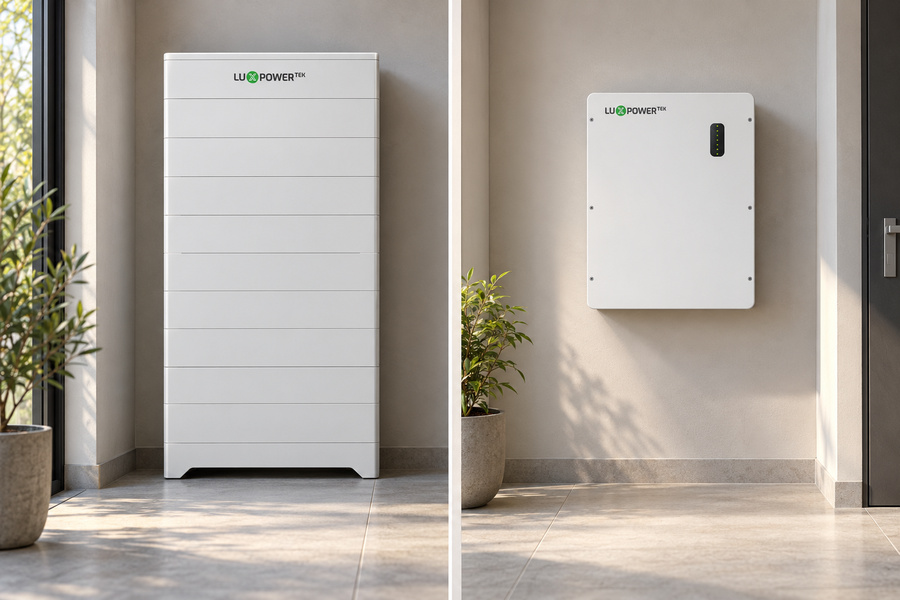
If you want to retain a compatible 48 V inverter or start with a smaller battery, choose low voltage; if a new installation needs higher battery-only power with lower current, choose high voltage and size the stack accordingly. At LuxpowerTek, we recommend choosing the voltage platform around battery-side power and total installed cost, then sizing…
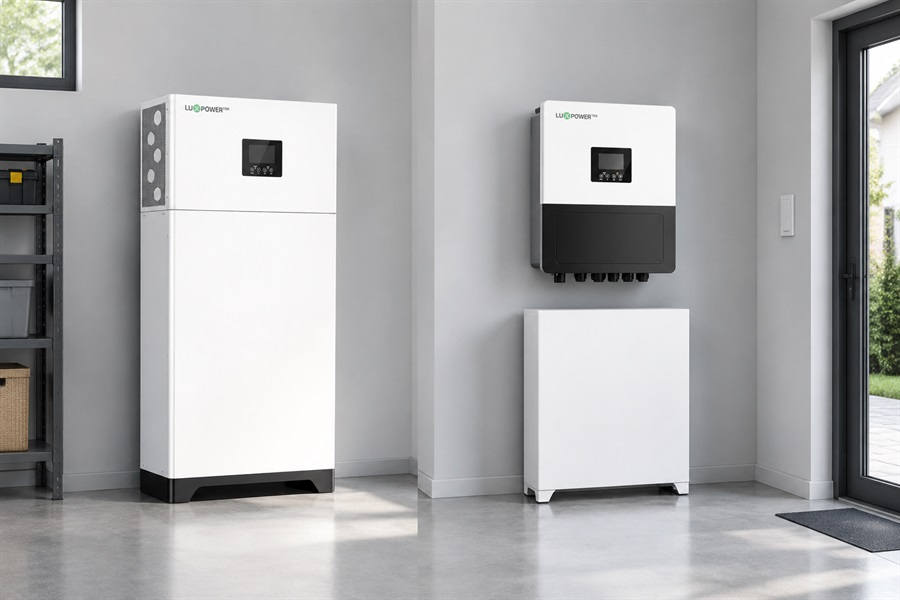
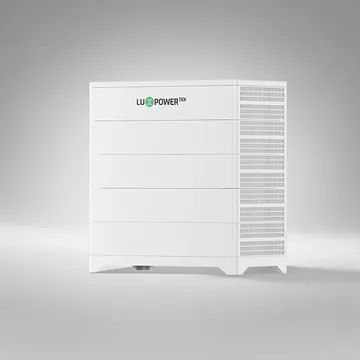
At LuxpowerTek, we recommend an all in one energy storage system when its available configurations match your loads and installation space. A separate inverter and battery is often a better fit when you need independent sizing, flexible placement, or a specific retrofit arrangement. Both approaches can work well; the deciding factors are compatibility, usable capacity,…
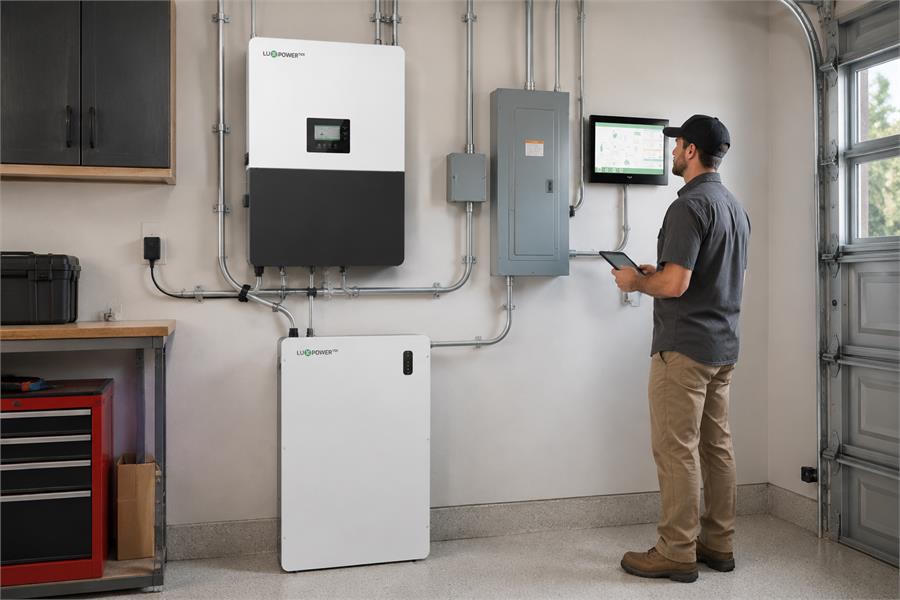
Inverters are the central mechanisms of the energy systems. They deal with the energy conversions and ensure the seamless consumption with the household appliances. Sometimes, due to voltage, current, temperature, or many other issues, inverters may show error codes. We will shower light on the ten most common inverter code errors, highlight troubleshooting steps, and…
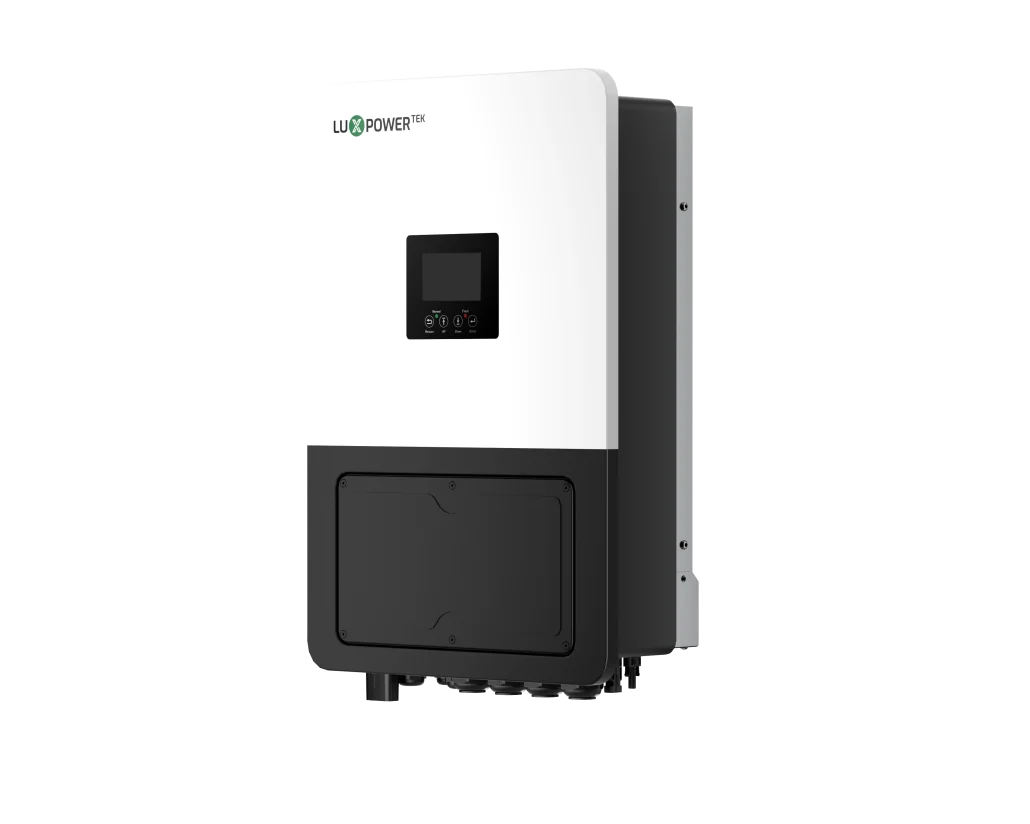
Meta Description: Why upgrade to an IP66-Rated inverter for outdoor solar installations? Learn the reasons an IP66-rated inverter stands out in this guide. Why upgrade to an IP66-Rated inverter for outdoor solar installations? This is the first question that comes to mind when choosing an inverter. There is no doubt solar panels remain outdoors all…
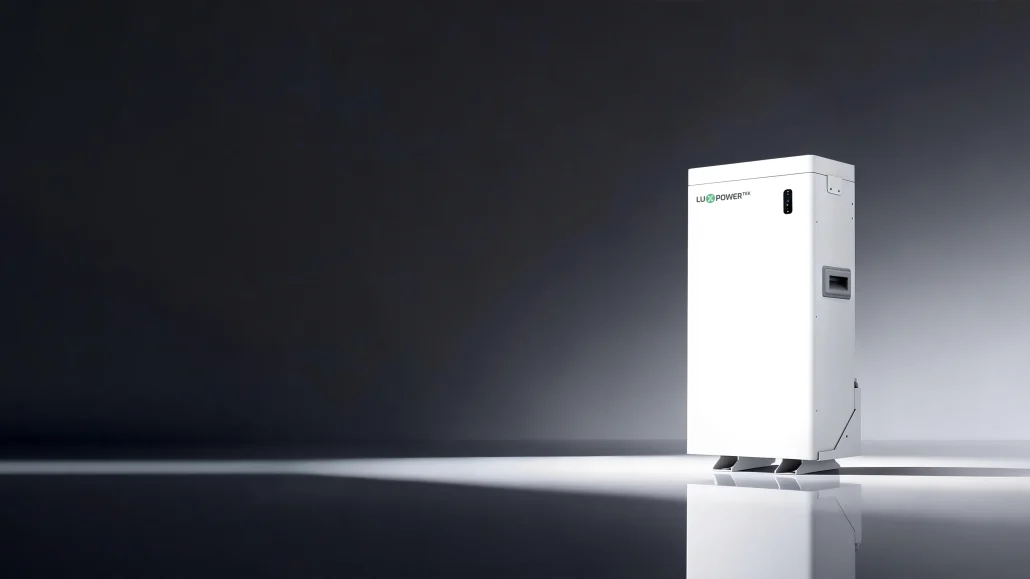
To keep a solar power system running effectively over the long term, it needs routine maintenance. Solar inverters convert stored energy from lithium batteries into usable energy. Check both components daily, since you use them every day. Over time, minor problems can significantly affect system performance. Excessive heat, dust, and improper settings can strain equipment….
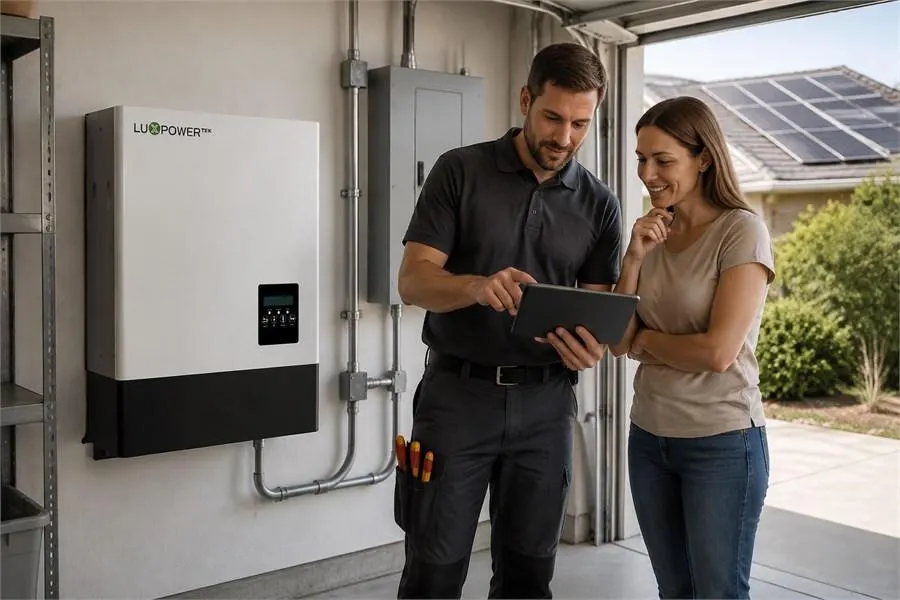
When an installer asks for an ESS quotation in 2026, the first question is rarely just battery size. We need to confirm the tariff spread, backup load list, grid phase, existing inverter model, export rules, and whether generator support is needed. In that conversation, an energy storage system, usually shortened to ESS and often called…