


The first question to ask when deciding between an off-grid and hybrid solar inverter is: How reliable is your grid? An off-grid system is appropriate for properties that are not connected to the grid. It’s also good for people who want to be more energy-independent. A hybrid system is appropriate for on-grid properties. It also…

Selecting a hybrid inverter and battery begins with understanding a household’s electricity consumption. If the system is too small, it may be unable to run the appliances you need. If the system is larger than you need, you could end up paying for an unnecessary expense. First, make a list of appliances that need backup….
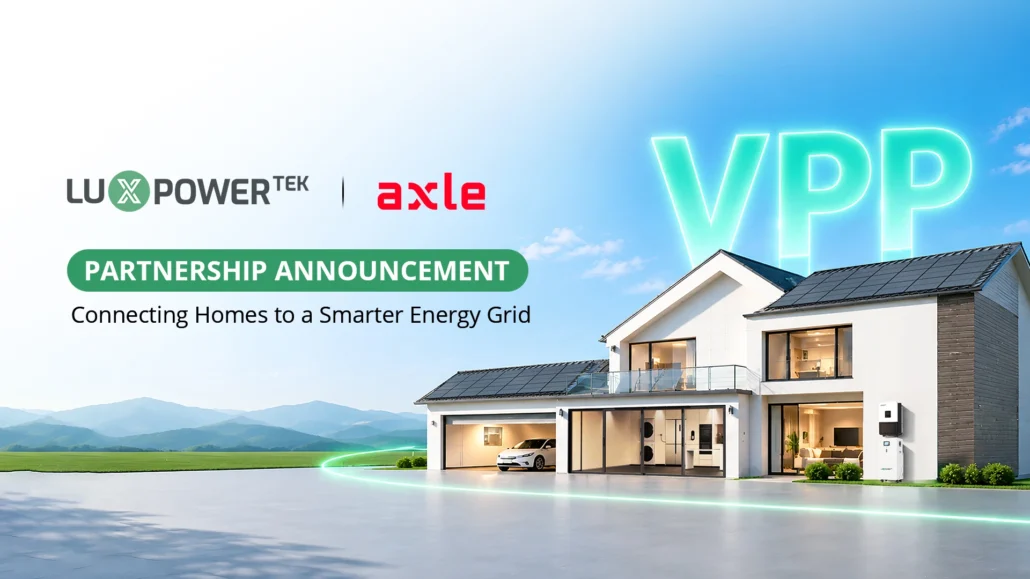
What if your home battery could do more than store energy for your home? LuxpowerTek has partnered with Axle Energy to give eligible UK homeowners with LuxPower systems access to Axle Energy’s Virtual Power Plant (VPP). Through this partnership, LuxPower battery systems can support the UK electricity grid when flexibility is needed — while giving…
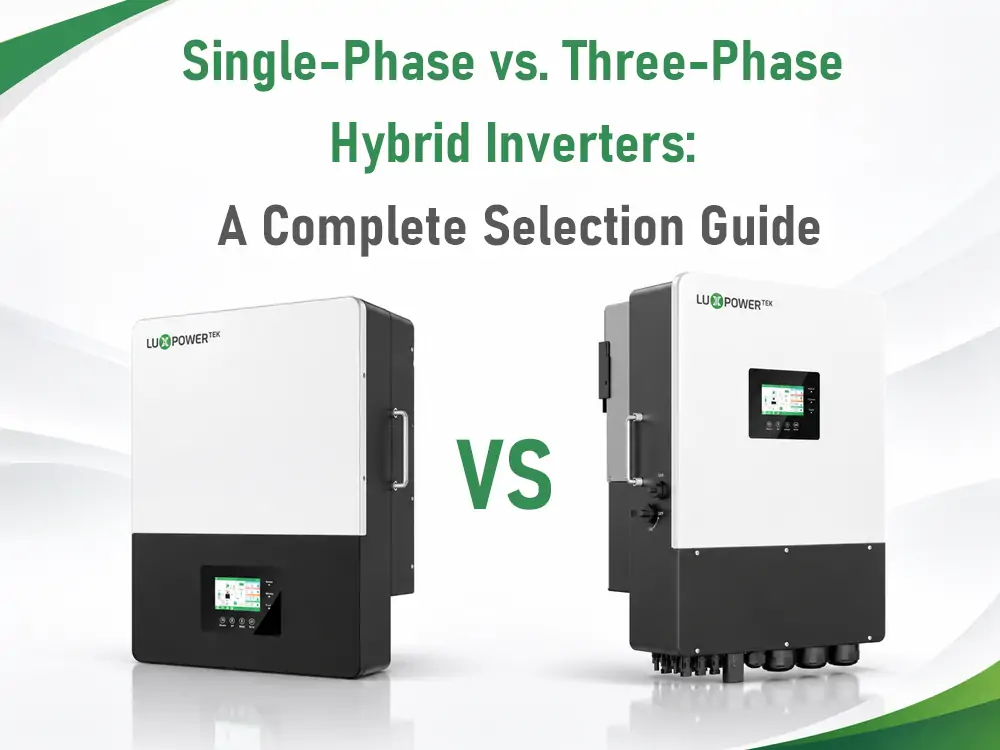
Introduction Solar energy has become an integral source. But directly consuming solar energy is challenging. To address these conversion challenges, hybrid inverters have emerged. Because energy demands differ, hybrid inverters come in single-phase and three-phase versions. Each type differs and suits different applications. Today, we will learn about single-phase and three-phase hybrid inverters and how…

The best home battery backup system in 2026 is the one sized to the loads a household keeps running during an outage, built on lithium iron phosphate cells, and matched to an inverter that absorbs motor surge without tripping. No single model wins for every house, so the practical question is which configuration fits a…
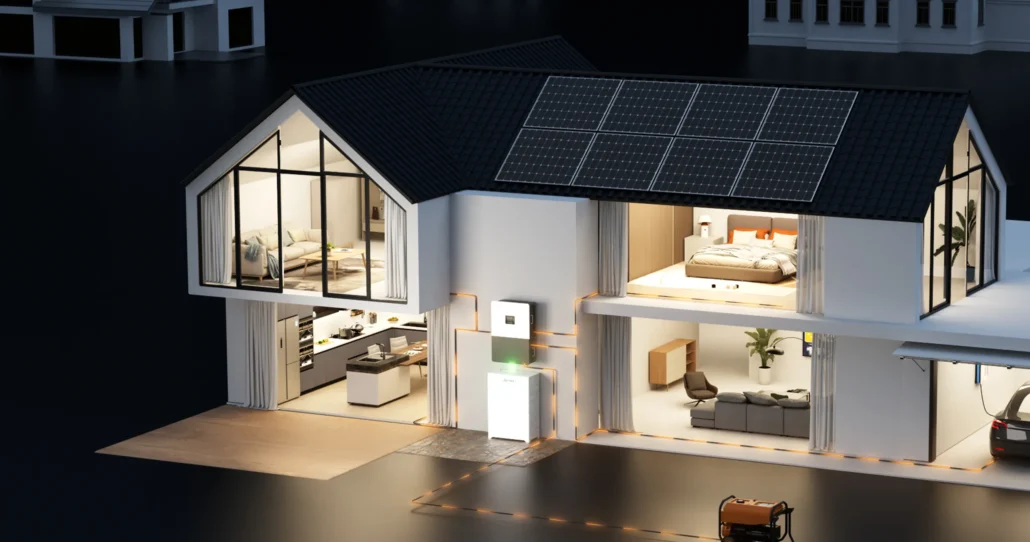
Introduction North America and some areas of the United States use different voltage systems. They operate various appliances. Not all appliances have a standard 120V supply. Some may require a 240V supply. A split-phase solar system is a unique setup that supports both 120V and 240V. It has one neutral and two hot conductors, which…
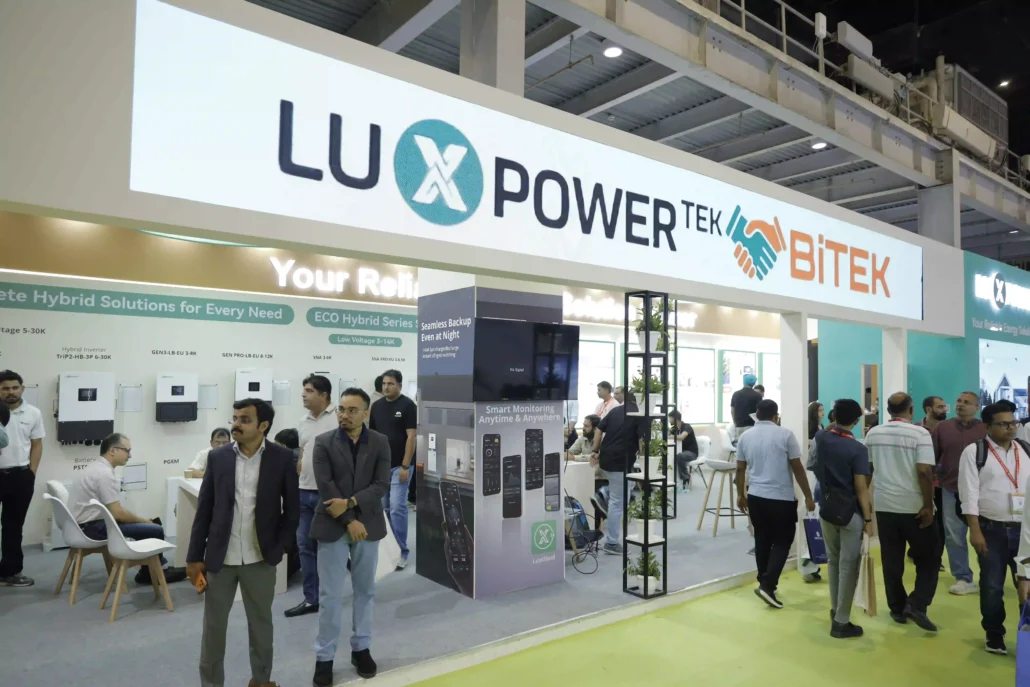
From October 22 to 24, 2026, LuxpowerTek participated in the 19th edition of the Renewable Energy India Expo (REI Expo) in Greater Noida, India. At Hall 14, Stall C42, LuxpowerTek joined local partner BITEK to showcase a diverse portfolio of solar inverters, energy storage systems, and EV charging solutions. The three-day exhibition provided an opportunity…

An off-grid inverter supports independent power supply. A hybrid inverter coordinates solar, batteries and grid interaction. An Eco-Hybrid inverter combines an off-grid foundation with additional hybrid operating modes. At LuxpowerTek, we start an off grid vs hybrid inverter comparison with the same practical question: how should the system use the grid when it is available,…
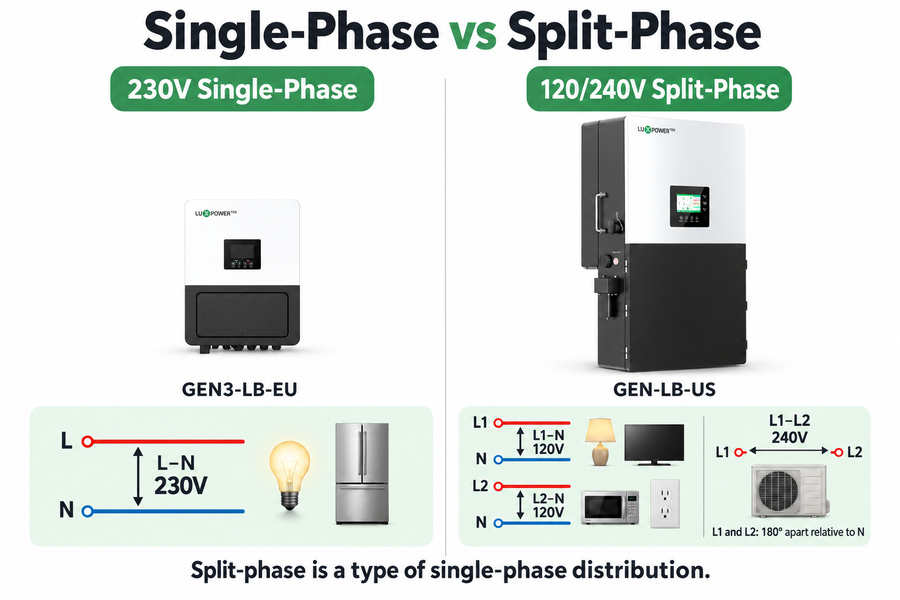
When choosing between a split-phase and single-phase inverter, start with the property’s electrical service rather than the inverter’s headline power rating. In electrical terms, split-phase is a type of single-phase distribution. In product classifications, “single-phase inverter” commonly refers to 220–240V models used in Europe and similar markets, while “split-phase inverter” usually refers to North American…
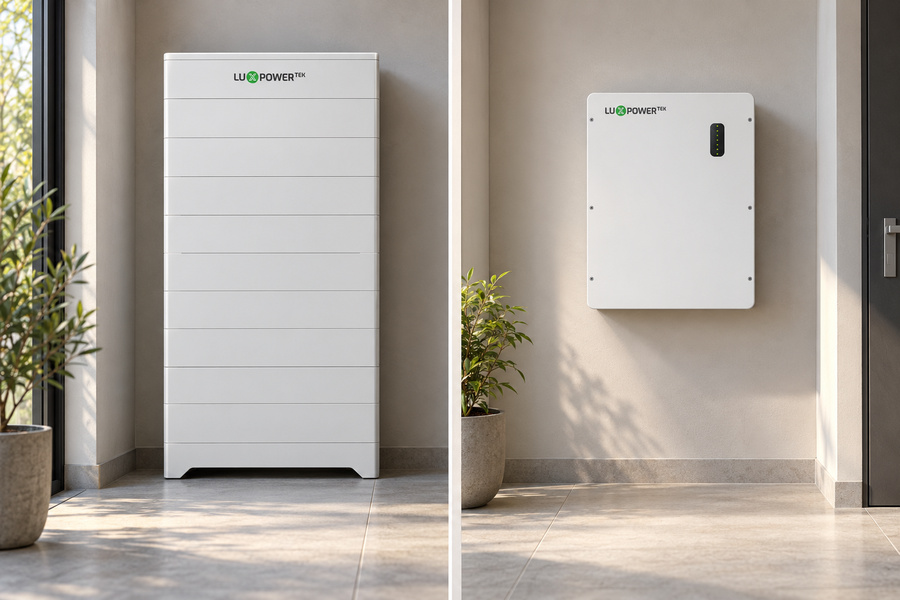
If you want to retain a compatible 48 V inverter or start with a smaller battery, choose low voltage; if a new installation needs higher battery-only power with lower current, choose high voltage and size the stack accordingly. At LuxpowerTek, we recommend choosing the voltage platform around battery-side power and total installed cost, then sizing…