
Introduction
Solar energy has become an integral source. But directly consuming solar energy is challenging. To address these conversion challenges, hybrid inverters have emerged. Because energy demands differ, hybrid inverters come in single-phase and three-phase versions.
Each type differs and suits different applications. Today, we will learn about single-phase and three-phase hybrid inverters and how they differ.
What is a Single-Phase Hybrid Inverter?
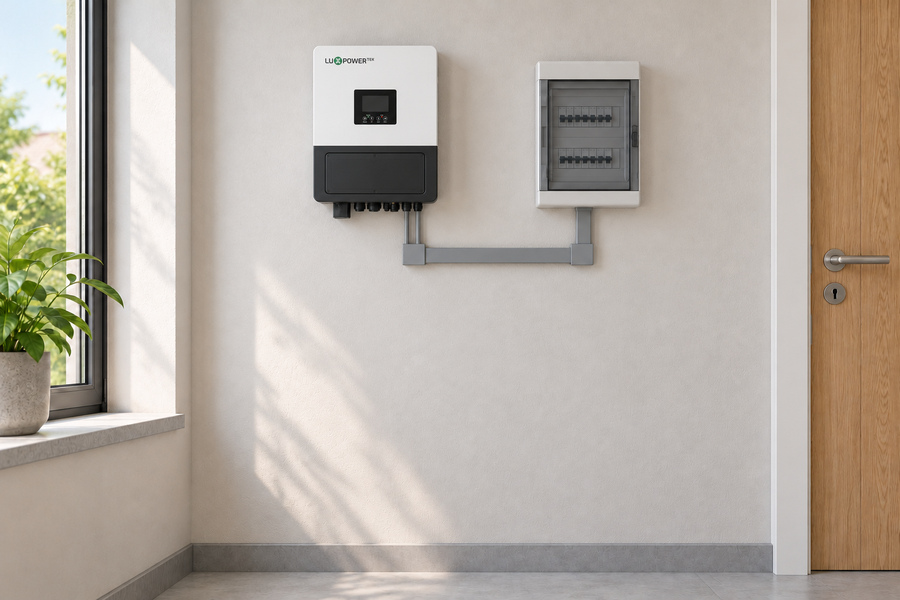
A single-phase hybrid inverter converts AC to DC or DC to AC on a single-phase electrical supply. It suits a standard residential electrical supply. With a live and neutral conductor, it helps manage the electrical supply.
A single-phase inverter supplies electrical power to devices and stores it in batteries.
What is a Three-phase Hybrid Inverter?
A three-phase hybrid inverter works with the three-phase electrical supply. Instead of working on a single phase, it distributes electricity across three phases.
Three-phase systems vary by region. For example, Australia uses a 230/400V arrangement. It may vary in other areas.
Single-Phase Hybrid Inverter vs Three-Phase Hybrid Inverter: Key Differences
| Comparison Factor | Single-Phase Hybrid Inverter | Three-Phase Hybrid Inverter |
| Electrical Supply | One phase and neutral | Three phases and neutral |
| Output Voltage | Typically 230V | 230V/400V |
| Power Distribution | Single-phase output | Three-phase output |
| Power Capacity | Low to medium | Medium to high |
| Solar Capacity | Small to medium systems | Medium to large systems |
| Battery Integration | Supports battery storage | Supports larger battery systems |
| Load Management | Single-phase loads | Three-phase and unbalanced loads (model-dependent) |
| Heavy Appliances | Standard household appliances | Motors, heat pumps, and heavy equipment |
| Backup Power | Single-phase backup | Three-phase backup (model-dependent) |
| Grid Export | Subject to single-phase limits | Supports three-phase export management |
| Installation | Simpler installation | More complex installation |
| Initial Cost | Generally lower | Generally higher |
| Expansion | Limited capacity options | Greater expansion flexibility |
| Applications | Apartments and small homes | Large homes and commercial buildings |
| Best For | Moderate electricity demand | High electricity demand |
Single-phase and three-phase hybrid inverters differ in several ways.
Power Distribution
Power distribution refers to how energy is distributed. As the name indicates, a single-phase hybrid inverter distributes AC output through one phase. This type of power suits ordinary household appliances, lighting, televisions, and refrigerators.
In contrast, a three-phase hybrid inverter distributes power across three phases. This arrangement supports electrical power more evenly. Commercial areas often use such inverters for larger appliances.
System Capacity
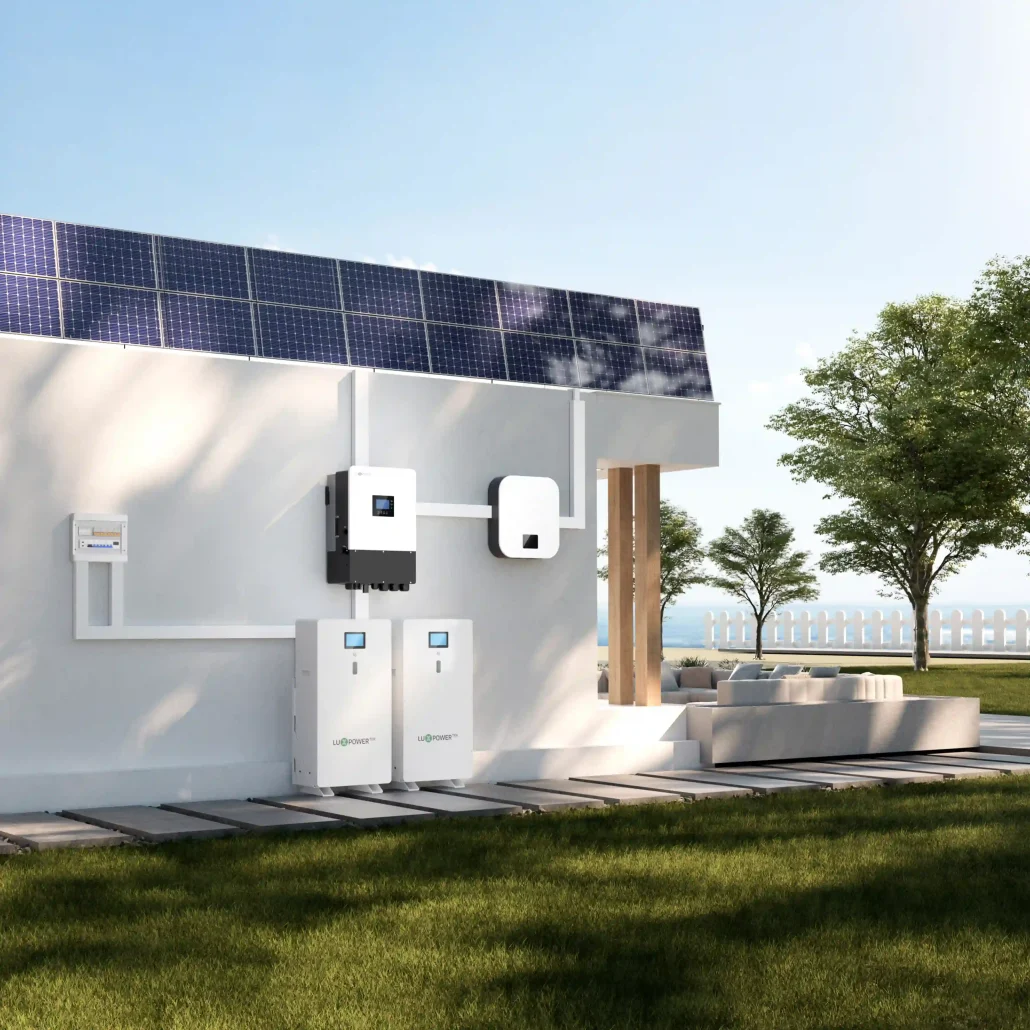
System capacity varies and affects inverter selection. A single-phase hybrid inverter suits only simple applications. Usually, system capacity is lower than in three-phase systems. For example, a household may use a single-phase hybrid inverter for simple home devices.
In contrast, three-phase inverters are used for larger systems. They are often installed in larger systems. For example, a large residential home with extensive capacity appliances. However, most commercial areas use these extended systems for high-power production and capacity.
Installation Requirements
Installation complexity varies by inverter type. For example, a single-phase hybrid inverter is a simple tool. It requires simple installation with no complexities.
On the other hand, three-phase inverters are complex. They require a proper distribution system and compatible tools. Mostly, you need experts to install such inverters rather than DIY efforts.
Load Management
Load can be either single-phase or three-phase. Single-phase inverters manage load only in a single phase. They can’t distribute it across multiple phases. Therefore, they are limited.
In contrast, three-phase inverters manage load in three directions. This means they can manage and control electrical supply in three phases.
Solar Capacity
Solar capacity can be high or low depending on your solar array installation. However, the right hybrid inverter depends on your needs. A single-phase hybrid inverter suits low-power solar systems. They offer practical solutions for household applications.
In contrast, a three-phase hybrid inverter suits large-scale solar production. It delivers extended performance when you have higher electrical needs. Three-phase hybrid inverters are a good choice in commercial or industrial solar systems.
Cost
The initial cost isn’t just the inverter investment. It also includes installation charges and expert services.
A single-phase hybrid system is not complex. It is straightforward and involves lower installation expenses. The inverter itself is also affordable. Therefore, a single-phase hybrid inverter is cheaper to buy and use.
In contrast, three-phase hybrid inverters require expert installation. Their upfront cost is high. Overall, a three-phase hybrid inverter costs more than a single-phase inverter.
Expansion
Do you want to expand your system in the future? Most power systems require future expansion, depending on conditions. Single-phase offers limited expansion. It is less flexible than a three-phase system.
A three-phase hybrid inverter can accommodate many appliances. They ease future expansion. Therefore, it suits different applications with expanded capabilities.
When Should You Choose a Single-Phase Hybrid Inverter?
Not every project requires a single-phase inverter. Here are a few applications and options.
Small and Medium-Sized Homes
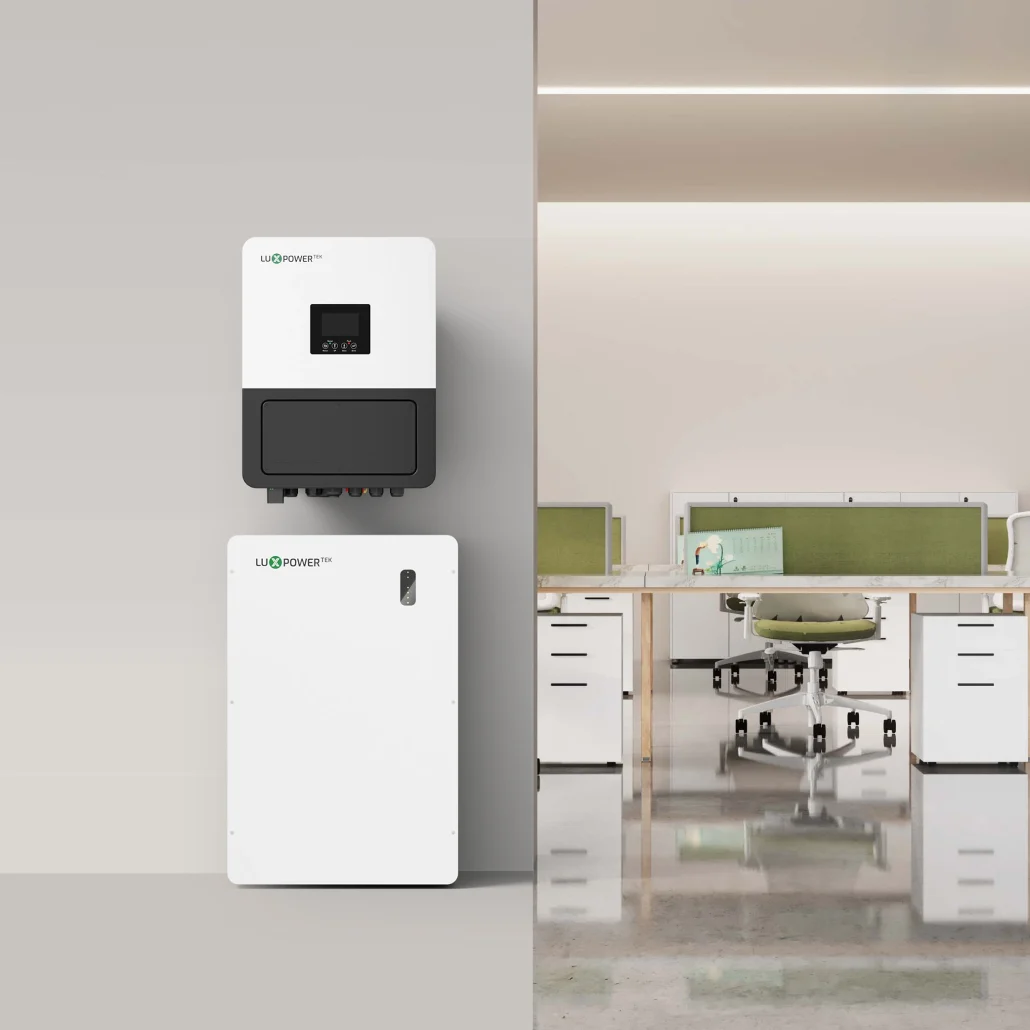
Small and medium-sized homes have moderate energy requirements. They operate household appliances, lighting, and basic heating or cooling equipment. A single-phase hybrid inverter is usually sufficient.
Properties with Limited Solar Requirements
If you have installed a limited solar system, a single-phase hybrid inverter could be the best option. Single-phase inverters handle small to medium-sized solar systems effectively.
Budget-Conscious Solar Projects
Some buyers want affordable electricity solutions. They invest in solar projects but require an affordable electrical supply. In that case, they tend to choose the single-phase hybrid inverter. It is affordable and provides the same required functionality.
Existing Single-Phase Connections
Do you have existing Single-Phase appliances and connections? Then a single-phase hybrid inverter is the best choice. It delivers the required functionality and offers efficiency.
When Should You Choose a Three-Phase Hybrid Inverter?
A three-phase hybrid inverter is the best choice in several situations. We have sorted out a few of them.
Large Residential Areas
Large residential homes may have high-power equipment. They need to operate:
- Heat pumps.
- Electric vehicle chargers.
- Swimming pool pumps.
- Electric heating systems.
- Large air conditioning units.
- High-capacity water pumps.
A single-phase hybrid inverter may not be sufficient to support all these appliances. You need a three-phase system to operate and support them.
Commercial Buildings
Commercial buildings often have high-power appliances. They need consistent high power for these applications.
These areas may include offices, warehouses, retail facilities, and manufacturing sites. A three-phase hybrid inverter is the ideal choice in such spaces. It provides better support and feasibility.
Three-Phase Applications
If a property uses a three-phase system, consider a three-phase hybrid inverter. Three-phase appliances and tools need a proper system for operation.
Three-phase hybrid inverters can then provide the required power.
Future Expansion
You may moderate electrical consumption today. But in the future, there may be other plans. You may want to add more electrical tools to your infrastructure. You may even need to add gas or other energy sources.
Only a three-phase hybrid inverter can support proper installation and integration. It may reduce the need for additional tools for hybrid systems.
Luxpowertek TRiP Series: All About Hybrid Inverters
For three-phase solar systems, Luxpowertek has launched a new series—TRiP. It includes three-phase hybrid inverters. A few famous models include:
TriP 6-30K: Three-Phase Hybrid Inverter
If you have large electrical needs at home, the TRiP 6-30K is the ideal choice. This is because of the following features.
- Models are available from 6kW to 30kW.
- Supports up to 45kW maximum PV input, depending on the model.
- Up to three independent MPPT trackers.
- Supports up to 150% unbalanced output, with a maximum of 15kW per phase on the specified models.
- Up to 30kW maximum UPS output.
TriP2-HB-3P: Advanced Three-Phase Hybrid Solution
If you need extended battery capacity, consider the TriP2-HB-3P. It delivers high efficiency and better options. The key features are:
- Power ranges from 6kW to 30kW.
- Maximum PV input capacity of up to 45kW, depending on the model.
- Up to three independent MPPT trackers.
- Supports 150% unbalanced output, with up to 15kW per phase.
- Battery voltage is in the 100–800V working range.
- UPS output is 30kW.
FAQs
- Are Three-Phase Hybrid Inverters Suitable for Residential Properties?
Three-phase hybrid inverters are suitable only in some cases. For example, you have high electrical demands. Energy needs are higher. You have installed a heavy instrument.
- Can a Three-Phase Hybrid Inverter Provide Backup During a Power Outage?
Yes. Some three-phase hybrid inverters do. However, it depends on the inverter’s backup output design, supported load capacity, battery availability, and installation configuration.
- Do Three-Phase Hybrid Inverters Require Three-Phase Batteries?
Not necessarily. Batteries store DC energy. Therefore, you may not need three-phase batteries for the hybrid inverters.
- Can a single-phase inverter be installed on a three-phase connection?
Yes, it certainly can. You can do so if the manufacturer’s manual allows it. However, installation must comply with local rules and regulations in the United States and other countries.
- Does a Three-Phase Hybrid Inverter always outperform a Single-Phase Inverter?
Not necessarily. A three-phase hybrid inverter suits larger energy needs. On the other hand, a single-phase inverter is ideal for smaller electrical needs.
Conclusion
Choosing between single-phase and three-phase hybrid inverters depends on your needs. Single-phase is cheaper, but it suits smaller homes. In contrast, a three-phase hybrid inverter suits commercial applications. If you have high electrical demands, consider a three-phase system.
For high-quality inverter solutions, you can contact Luxpowertek. We offer both single-phase and three-phase inverters. Our build quality and efficiency are famous worldwide. Check out our talk-of-the-town TRiP series right away!