
The first question to ask when deciding between an off-grid and hybrid solar inverter is: How reliable is your grid?
An off-grid system is appropriate for properties that are not connected to the grid. It’s also good for people who want to be more energy-independent. A hybrid system is appropriate for on-grid properties. It also features battery storage and backup power.
But sometimes it isn’t that easy. LuxPowerTek’s off-grid inverters include its SNA range. The GEN series, however, is designed for hybrid solar applications. Some SNA models can also operate in grid input and hybrid modes. [1][2]
The best choice will depend on your power needs, your region, and your local electrical system. This guide covers some of the major differences between the two series. It also helps you choose the right inverter for your premises.
Key Highlights:
- Off-grid inverters produce power that is not reliant on the power grid.
- Hybrid inverters combine solar power, battery storage, and the grid.
- SNA series is ideal for remote properties and off-grid uses.
- The GEN series is designed for properties that are on the grid but still experience regular power failures.
- Choose your inverter based on your daily energy consumption, battery storage capacity, and future requirements.
Off-Grid vs. Hybrid Solar Inverters: Understanding the Difference
Off-grid / hybrid solar inverters provide for various power requirements. The main difference is how they work with the electricity grid. An off-grid system is stand-alone. A hybrid system can operate in conjunction with solar energy and the grid.
Both systems can incorporate battery storage. Their power management, however, varies. Knowing these differences helps you select the right inverter.
1. Off-Grid Solar Inverters and Independent Power Systems
An off-grid solar inverter is used without an electrical grid. It transforms direct current power produced by the solar panels into alternating current power.
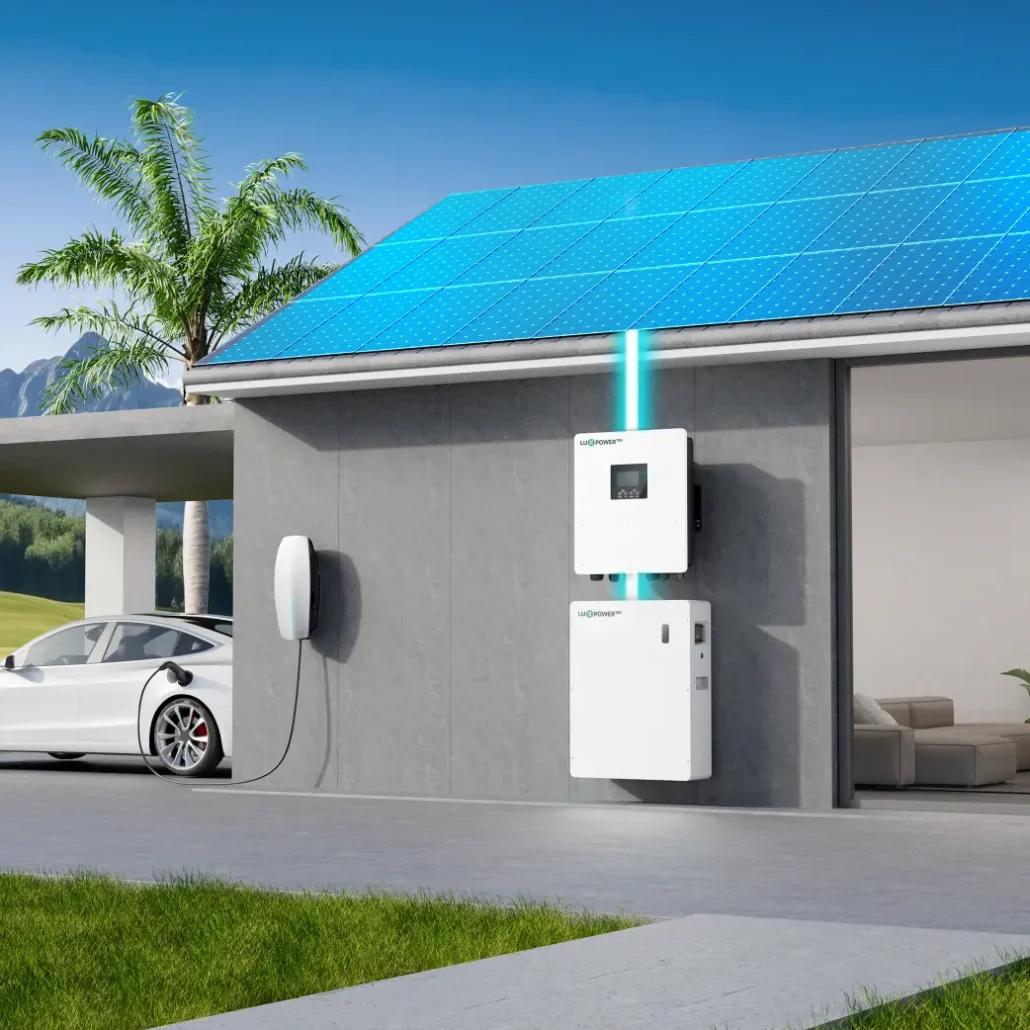
This electricity powers household equipment and other loads.
These are battery storage systems. The solar panels generate power during the day. Any excess power can charge the batteries. The stored energy is then used to generate power at night or in cloudy conditions. [2]
An off-grid system must provide 100% of the property’s energy needs. This includes periods of low solar generation. The battery bank needs to be large enough to provide sufficient energy for these times. Backup generators may also help if the power is out for an extended period.
This is also for those who reside outside the city, in rural areas. Also good for non-grid locations. Users can generate and conserve energy. They are not required to be connected to mains electricity.
However, proper sizing is important. The solar array should be able to produce enough daily power. The battery bank should also provide the required backup time. If the sizing is not done appropriately, power shortages can result.
2. Grid-Connected Power Systems and Hybrid Solar Inverters
A hybrid solar inverter is a single device that performs solar and battery functions. It’s also connected to the power grid. This allows the system to harness power from a variety of different sources. [2]
Solar panels provide power to loads during the daytime. Any excess power can charge the battery. Excess energy may, however, be fed into the grid depending on the system settings.
The battery can provide solar energy at night. When the battery’s energy starts to deplete, the system can charge up from the grid. This lessens the dependence on any one power source.
A hybrid inverter can also power on during a power failure. This feature is available if the proper wiring and backup configuration are in place. Not every grid-tied solar PV system can power up during an electric outage. [2]
Hybrid systems are appropriate for houses and businesses that are connected to the grid. They offer more options for using electricity. They can also reduce dependence on the grid by providing battery storage.
The greatest benefit is flexibility. Users can connect to the grid, a battery, or solar panels. The inverter controls these sources based on system settings and needs.
SNA vs. GEN Series: Key Differences
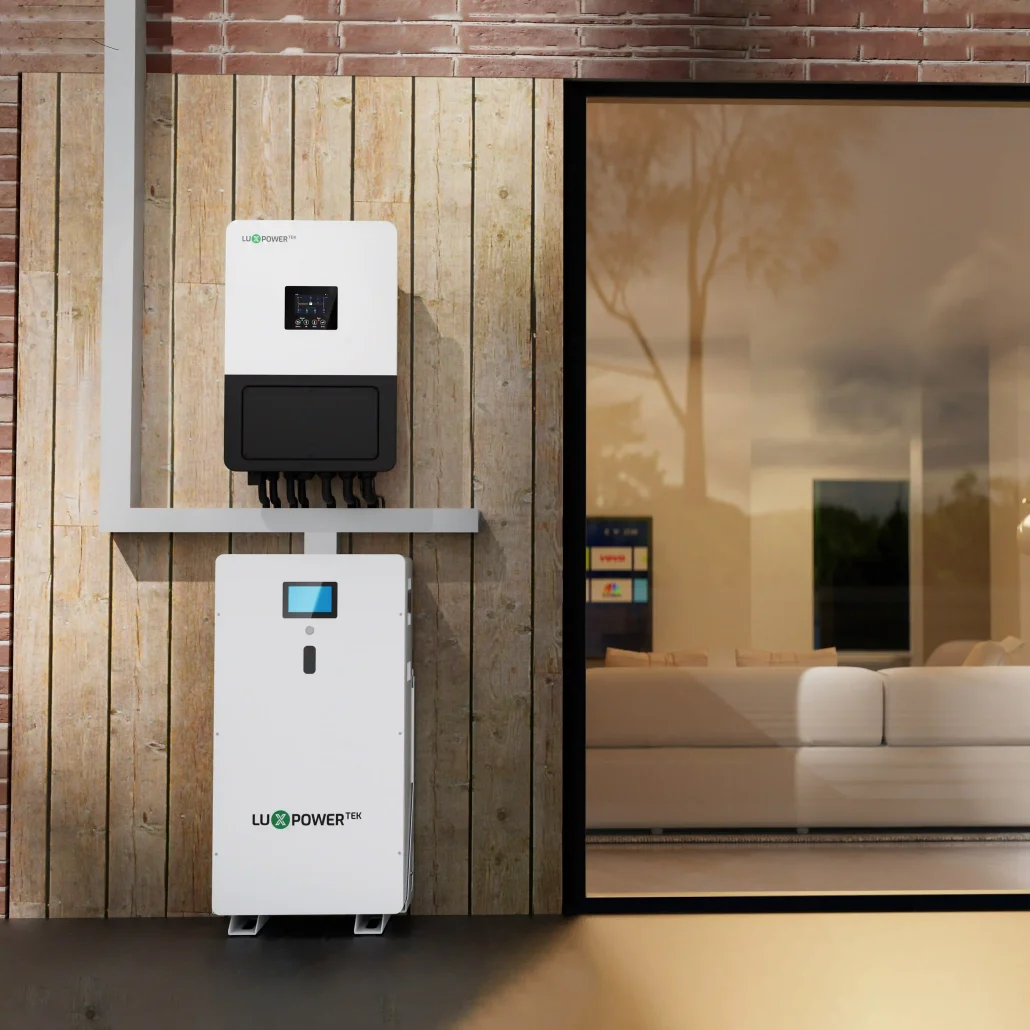
The SNA series is for different solar power needs than the GEN series. The SNA range is targeted towards off-grid and backup power. The GEN range can be used in HYBRID mode and can be connected to the grid.
Both series can charge from solar power and store energy in batteries. However, they have a few differences in terms of power management.
1. Grid Connectivity and Power Supply
The SNA series is for off-grid applications. It can be used to provide power in the absence of mains electricity. Some models are also grid-powered for extra power. A few models are also generator-powered. [2]
The GEN series is offered for hybrid solar systems. It connects solar panels, batteries, and the utility grid.
When solar energy is insufficient, power can be supplied from the electricity grid. This helps to ensure a reliable power supply.
The main difference lies in their use. SNA is a solution for properties requiring stand-alone power. GEN is suitable for properties that require both solar and grid support. [2][3]
2. Battery Storage and Backup Capabilities
Both series can be used for battery storage. But their function varies depending on the system configuration.
The SNA series uses batteries to provide an independent power supply. After sunset, stored energy powers connected loads. It can also supply electricity when solar generation is low.
The GEN series is a hybrid solution with battery storage. It can store surplus solar power for later use. It can provide backup output to support critical loads during a grid outage. This will need proper wiring and battery support.
Some SNA models also do not require batteries. This function is model-specific and only works during setup mode. Please read the product specifications before installing.
3. Energy Management and Solar Power Utilization
The SNA series focuses on how people in your region are using solar energy. It supplies loads requiring it with electricity generated by solar energy. Excess energy can be stored in the battery. Other compatible models have an extra grid/generator input.
GEN series offers greater energy management options. It can be used to even out solar generation, battery storage, and grid power. Charging/discharging programs are possible. This enables users to access energy when it is more costly on the grid. [3][4]
Both are off-grid. The main difference is how they use existing power. SNA emphasizes autonomous work. For grid-connected properties, GEN is more flexible.
Choosing the Right Inverter for Your Location
The type of solar inverter you need depends on your property’s power supply. Some places are not connected to the utility grid. Others experience power outages and/or an unstable power supply. The decision should be based on your local conditions.
1. SNA Series for Remote and Off-Grid Properties
The SNA series is appropriate for properties that are located far away. These include locations without access to the electrical grid.
It can be used with off-grid solar power systems. Solar panels produce electricity. Batteries help store energy when there is excess and use it later. This stored power can power appliances after dark. They can also help during periods of low solar generation by supporting loads. [2][4]
Good battery storage is important for remote properties. The system should meet daily power requirements. It should also provide adequate support during cloudy conditions. When solar generation is not sufficient, a generator can provide extra power.
The SNA series can also be used for properties with limited grid access. However, buyers must confirm the grid input characteristics of the inverter model they intend to purchase. These features vary across the range.
2. GEN Series for Areas with Unreliable Grid Connections
The GEN series is more appropriate for structures that already have an electrical grid connection. It combines solar electricity with battery and mains electricity.
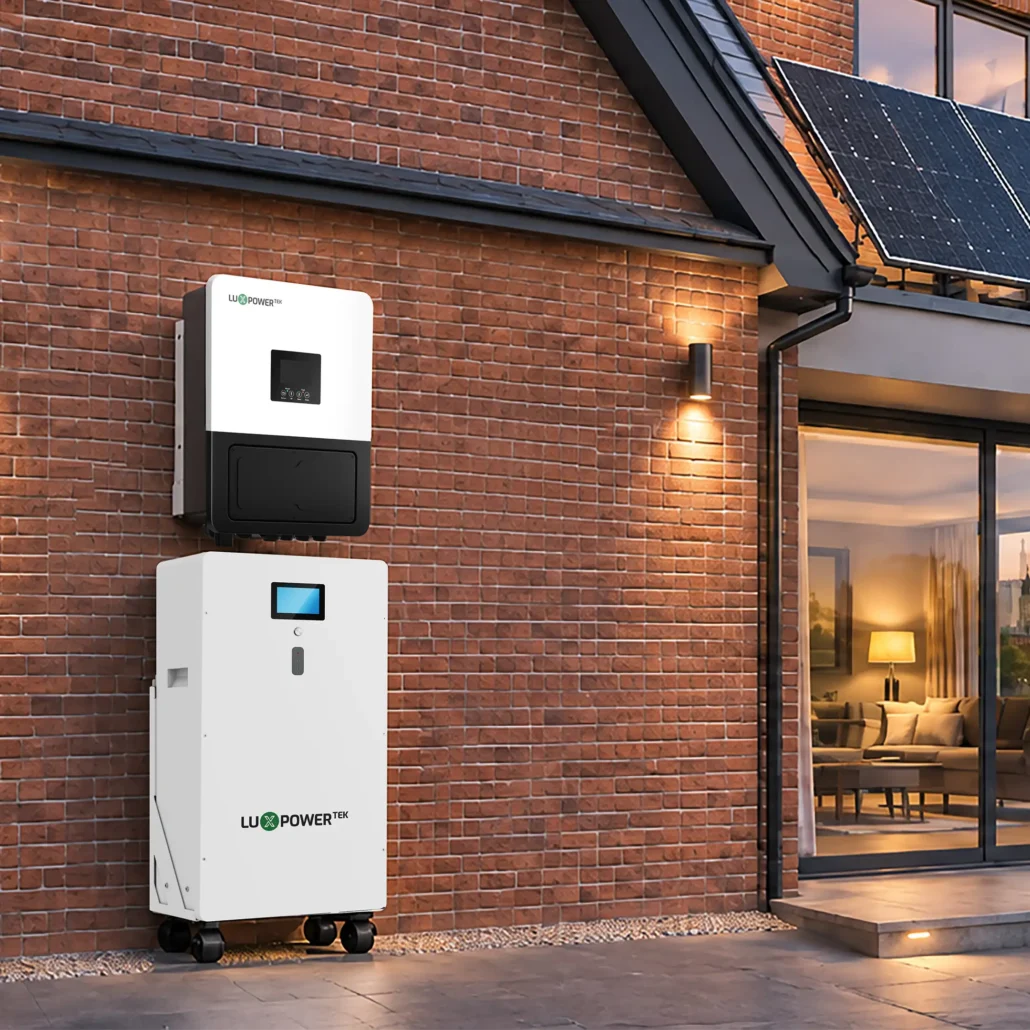
A hybrid system can provide backup power at sites where power outages are frequent. Solar panels can offer electricity during the day. The additional energy can be stored in batteries for later use. In the event of a power failure, the inverter will supply power to any attached backup loads.
This configuration is designed to maintain major business operations for homes. It will provide electricity to certain appliances and communication devices when the power goes out.
The GEN series can also help minimize dependence on grid electricity. If users have extra solar power, they can store it rather than using utility electricity. Benefits will vary depending on local rates and system settings. [3][5]
When selecting a model, verify its grid voltage. This information is crucial because not all countries use the same electrical standards.
What to Consider Before Choosing a Solar Inverter
It’s not just about comparing product features when choosing the right inverter. The system should match your property’s power requirements. It should also aid your future energy plans. Before you decide, keep these three things in mind.
1. Daily Energy Consumption and Power Requirements
First, see how much electricity a user consumes each day. Review electricity bills and estimate the average usage.
Also, identify which appliances require power during a power outage. The inverter should have the capacity to power all the appliances connected to it. Its rated output should match your power requirement. The starting power requirements of appliances like pumps and air conditioners must also be considered. These tend to require more power when they turn on.
Estimates are especially important for off-grid properties. The system should provide sufficient power during the day. If the inverter is not large enough, it can struggle to power multiple appliances simultaneously.
2. Battery Capacity and Future Expansion
The larger the battery, the more electricity it will store. It also determines how long your appliances can run when there is no solar generation. Base this on your daily energy consumption and how long you need power during a power outage.
Test the battery voltage and the inverter’s compatibility. Also, review its charging and discharging capabilities. These specifications will affect system performance and battery selection. [2][4]
Potential for further growth is also a key factor. You may use more electricity over time. You can expand with additional appliances and/or extra solar panels. Choose an inverter that can support the system you want.
3. Installation Costs and Long-Term Reliability
There are other factors to consider besides the initial price of an inverter. Also, you must consider:
· Batteries
· Solar panels
· Wiring
· Installation
Larger battery banks may be required for off-grid installations. Additional grid protection and backup wiring may be needed for hybrid systems.
Reliability is equally important in the long term. Review the inverter’s warranty and service support. Also check its operating temperature range. This information is important when temperatures are extremely high or weather conditions are poor.
It is important to get a reliable inverter that meets the local electrical standards. Make sure to check its voltage and frequency ratings.
While a lower initial price may sound like a better deal, it may not actually be. Select the system that you need and that provides support.
FAQs:
1. Can an Off-Grid Solar Inverter Work Without Batteries?
Indeed, some off-grid solar inverters work without batteries. It depends on the inverter type. The solar panels need to produce enough power to supply the connected load. If there are no batteries, then the excess energy produced by the sun is not stored.
The power supply can also fluctuate depending on sunlight availability. This can affect appliances that require a constant power supply. Before selecting a battery-free setup, always check the manufacturer’s specifications.
2. Can a Hybrid Solar Inverter Provide Backup During a Power Outage?
Yes, a hybrid solar inverter can also provide backup power during a power outage. It can provide selected loads with stored battery power. Solar energy can also power some systems during this outage.
This feature, however, needs an adequate backup output. Additionally, the wiring and battery configuration should be correct. Not all hybrid Inverters can be used for backup power during a grid power outage.
3. Is an Off-Grid Inverter Better for Areas With Frequent Power Cuts?
For regions that experience frequent power outages, an off-grid inverter may be worth considering. It doesn’t require a grid connection. The primary power sources are solar panels and batteries.
But a hybrid inverter may be better suited to properties that are now connected to the grid. It can connect to grid power if necessary. It can also help provide battery backup during a power outage.
One may be better than the other, depending on the grid conditions and backup requirements in the area.
4. Is It Possible to Operate a Hybrid Inverter without Grid?
Some hybrid inverters can operate off-grid. They use solar panels and batteries to supply electricity to the loads they are connected to. However, this depends on the inverter’s design and operating modes.
Some models require a battery to start and/or operate stand-alone. Some will let you run on solar power at times. Before using a hybrid inverter stand-alone, follow the manufacturer’s instructions.
5. What Are the Main Differences Between the SNA and GEN Series?
The main difference is their intended use. The SNA series is for off-grid power systems. The GEN series is for hybrid, grid-connected systems. Both series are solar- and battery-storage friendly.
However, there are differences in their grid and energy-management capabilities. The selection will depend on the type of power supply and backup your property requires.
Final Thoughts!
The choice between an off-grid and a hybrid solar inverter depends on your power requirements. There are benefits to both systems. But each is used to serve different types of properties.
SNA series is suitable for remote locations. It can be used for independent solar power systems. It can also be a good solution for properties with poor grid connection.
The GEN series is designed for grid-connected homes and businesses. It combines solar, battery, and grid supply. Some models can also provide power when the main power source is out.
Evaluate your household’s electricity use before deciding. Consider your expansion plans and battery requirements. Take into account the site’s electrical grid conditions and installation costs.
You should be able to find an inverter that meets your current requirements. This should also align with your long-term energy objectives.
Contact LuxPowerTek for the top tips on choosing the most suitable solar inverter. Our team will help you find a solution that suits your energy needs and power requirements.
References:
[1] International Energy Agency Photovoltaic Power Systems Program (IEA PVPS). “Trends in Photovoltaic Applications 2025.“
[2] Harper M, Quetchenbach T, Radecky K, et al. “Requirements and Guidelines for Installation of Off-Grid Solar Systems for Public Facilities with a Focus on Private-Sector-Supported Service Delivery Models.“
[3] International Electrotechnical Commission. “Renewable Energy Off-Grid Systems – Part 350: Recommendations for Selection of Inverters.“
[4] Institute of Electrical and Electronics Engineers. “IEEE Recommended Practice for Sizing Stand-Alone Photovoltaic (PV) Systems.”
[5] International Energy Agency Photovoltaic Power Systems Program (IEA PVPS). “PV-Hybrid System Data Visualization Recommendations: A Handbook for Operators of PV-Hybrid Systems and Mini-Grids.“