
Why upgrade to an IP66-Rated inverter for outdoor solar installations? This is the first question that comes to mind when choosing an inverter. There is no doubt solar panels remain outdoors all the time and face harsh environmental conditions. But they are not the only ones that face these conditions; inverters do, too. Inverters convert the DC generated by panels into AC that you can use in your home.
However, if these inverters are kept outside, dust can enter weak enclosures. At the same time, if water gets in, it can damage sensitive parts. So, how can you protect your inverter from these outdoor risks? One option is to upgrade to an IP66-rated inverter. It offers a dust-tight enclosure and protection against powerful water jets. But that’s not all. In this guide, I will discuss the key reasons that make these inverters stand out and why you should consider them.

What Is an IP66-Rated Inverter?
Let’s first understand what an IP66-rated inverter is.
An IP66-rated inverter has a higher safety rating for its internal enclosure. Its enclosure is protected against dust and powerful water jets from any direction. The rating follows the Ingress Protection system defined by IEC 60529. This makes it a useful choice for solar systems installed in open areas.
As you know, water and dust are two major outdoor concerns. If they enter the hybrid inverter’s enclosure, they can affect performance. That’s where IP66-rated inverters come in. The term IP stands for Ingress Protection. Here, the first 6 means the enclosure is dust-tight. It means dust cannot enter under the conditions covered by this rating.
The second number is 6, meaning the enclosure is also protected against water jets. It can resist powerful water jets coming from different directions. These numbers show that the inverter offers strong protection against two common outdoor issues. However, that doesn’t mean the inverter is built to stay underwater or handle every type of harsh weather.
Why Upgrade to an IP66-Rated Inverter for Outdoor Solar Installations?
Now you have a basic idea about what IP66-rated inverters are. Right? Outdoor-installed inverters are most likely to be affected by water and dust. Over time, these factors can reduce their performance. But there are other inverter options, too. So why should one choose IP66-rated inverters? Here are the key reasons these inverters are best for outdoor solar installations.
1- Better Protection Against Dust and Dirt
At first, dust seems very harmless, but in reality, it is something that can cause inverter failures. When inverters are installed outdoors, wind carries dust particles. These particles build up on the inverter’s surface. If these particles penetrate the enclosure, they can significantly affect performance. First, dust prevents heat transfer. As a result, heat builds up and raises the inverter’s overall temperature. This can lead to equipment failure. But IP66-rated inverters are known for this dust protection. Their enclosure is designed so it does not allow dust to enter the internal parts.
2- Greater Resistance to Rain and Water Spray
Rain is another major challenge for outdoor inverters. During bad weather, water hits an inverter from different directions. If these water splashes get inside the enclosure, they will damage electrical parts. At the same time, they can affect connections or even cause the inverter to stop working. That’s where IP66-rated inverters come into play. The second number, “6,” shows that the enclosure is protected against water jets from any direction. Suppose an inverter mounted on an exposed rooftop faces heavy rain during a storm. Its IP66-rated enclosure prevents water from entering and reaching sensitive internal components.
3. Improved Suitability for Harsh Outdoor Conditions
Another reason to choose an IP66 inverter for outdoor solar installation is its stability in harsh conditions. Inverters installed outdoors must withstand hard-to-control conditions. For example, they might face heavy rain, wind, and other harsh conditions. These conditions often weaken the inverters. You can’t rely on shelter alone to keep them out. IP66-rated inverters offer stability in these conditions. This is because their IP rating specifically protects against water and dust.
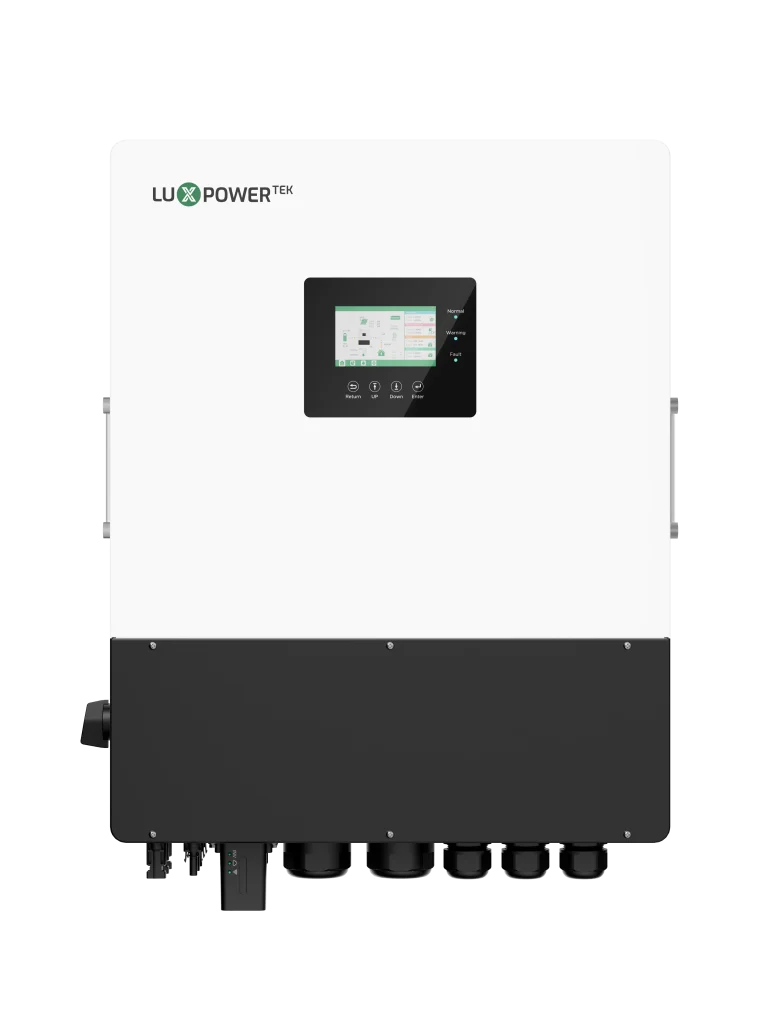
4- Reduced Risk of Weather-Related Damage
Weather-related damage does not always happen in one big event. Sometimes a small dust or water splash is enough to damage an outdoor inverter. For example, even a small amount of moisture can severely damage the electrical connections. Similarly, fine dust buildup can cause internal parts to overheat. To reduce all these risks, IP66-rated inverters are the choice. They keep dust out and resist powerful water jets. They also keep moisture out. That’s why you should prioritize them for outdoor use.
5- Potentially Lower Maintenance Costs
IP66-rated inverters not only protect against water and dust, but they also lower maintenance costs. How? Maintaining inverters outside is very costly. If dust and water get inside the inverter, they can cause problems. A technician visits the site, checks the equipment, and finds the cause of a fault. These visits take time and money. Also, if any part is damaged due to dust and water, it must be replaced. This replacement takes more money. An IP66-rated inverter keeps dust out and resists powerful water jets. This means you won’t need frequent replacements because parts are damaged.
6- More Flexibility When Planning an Installation
When installing solar panels, finding the right place for an inverter is tricky. In many spaces, there isn’t enough room for an inverter, or the indoor space is too far from the panels. In that case, the outdoor space becomes a reliable option. However, you cannot install any type of inverter outdoors and expect it to prevent dust and water. The most reliable option in this situation is an IP66-rated inverter.
As you know, it is specifically made to resist water and dust. Therefore, it reduces the risk of failure or damage. You can install it anywhere outdoors.
7- Better Support for Long-Term Solar System Reliability
A solar system is a reliable energy solution, but it costs more and requires careful planning. That’s why it must remain reliable for many years. Not only solar panels, but other parts like inverters also need to work reliably to deliver consistent energy. If the inverter stops working, the system produces less electricity or stops supplying power. The main causes of inverter damage outdoors are dust and water. So IP66-rated inverters support this long-term solar system reliability. They are designed to withstand dust and water. This means they stay strong against these conditions and support your solar system for many years.
What Should You Check Before Upgrading to an IP66-Rated Inverter?
You want to install the inverter outdoors. Right? But that doesn’t mean an IP66-rated inverter will suit every outdoor solar installation. This rating alone doesn’t determine your purchase. There are many things to consider. Here is what you should check before considering an IP66-rated inverter for your solar system.

Installation Environment
First, consider where you want to install the inverter. Is it open space, or is there a high risk of heavy rain near the sea or elsewhere? These details will help you understand how much protection your inverter needs. An IP66-rated inverter is a good choice where dust and water are common concerns. However, if it’s installed near the sea, its metal parts may corrode over time.
Temperature & Cooling Requirements
An off-grid inverter produces heat when it converts solar power into usable electricity. If the surrounding area gets too hot, the inverter will reduce its output to protect itself. So, before buying an IP66-rated model, check the manufacturer’s temperature range. Then, check how hot the installation area will get in the summer. If it gets too hot, you’ll need cooling systems to help the inverter operate properly.
Electrical Compatibility
The IP66 inverter must be compatible with your power system. You cannot choose one based only on its protection rating. If its electrical limits do not match your solar panels, the system will not work. Thus, before replacing your older inverter with an IP66 inverter, check its power rating, voltage limits, and current limits. These things should match the electricity your solar panels produce.
Manufacturer’s Specifications
IP66 rating is enough to know you can install the inverter anywhere. The label doesn’t tell you everything about the inverter. Check its datasheet for IP rating, temperature range, mounting requirements, and warranty details. Pay attention to how the cables must be connected and sealed. Also check if the manufacturer offers repair services and replacement parts for their inverter.
Total Cost, Not Just Purchase Price
Lastly, consider the total cost of the IP66 inverters. There is no doubt they cost more. But this cost is justified because they protect against dust and water when you install them outdoors. You should also consider installation costs, possible repairs, maintenance, and replacements. If you install in sheltered areas where water and dust are less likely to enter, you don’t need to spend on costly inverters.
Conclusion
An outdoor solar system faces many challenges, from dusty winds to heavy rain. If your inverter is also placed outside, the common challenges are dust and water. They can enter the enclosure and damage the internal parts. That’s where IP66 protection comes into play. In this guide, I have discussed why you should upgrade to an IP66-rated inverter.
It keeps dust out and protects against powerful water jets. It can also help reduce some weather-related risks and make maintenance easier. However, IP66 protection does not mean the inverter is safe from every outdoor problem. Before upgrading, think about your installation site, temperature, electrical needs, and budget.