
To keep a solar power system running effectively over the long term, it needs routine maintenance. Solar inverters convert stored energy from lithium batteries into usable energy. Check both components daily, since you use them every day.
Over time, minor problems can significantly affect system performance. Excessive heat, dust, and improper settings can strain equipment. Regular checks can detect these issues.
This guide explains how to maintain lithium batteries and solar inverters. It provides helpful tips for maintaining these systems. This will help users prevent errors that may reduce service life. [1][3]
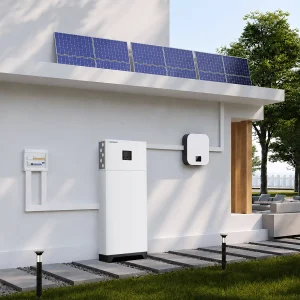
Key Highlights:
- With proper care, Lithium batteries and solar inverters perform well over time. Optimizing battery temperature and use can reduce stress. Regular checks can catch system issues early.
- Solar inverter updates and inspections help to maintain consistent system performance.
- By following the manufacturer’s instructions, you can help safeguard your solar system.
Why Proper Maintenance Matters for Lithium Batteries and Solar Inverters
To ensure optimal performance, lithium batteries and solar inverters need proper maintenance. These components are used daily, and improper maintenance can reduce their efficiency.
If a battery operates under poor conditions for an extended period, it can lose capacity. Poor maintenance can also reduce inverter performance.
Regular maintenance helps alert users to issues early. It can help to minimize the risk of sudden failures and prolong the system’s operational lifespan.
Daily technical checks aren’t necessary if you provide proper care. For most systems, a scheduled maintenance program is sufficient. Follow the manufacturer’s instructions. This is because every system is different.

Best Practices for Maintaining Lithium Batteries Over Time
If Lithium batteries are used and stored properly, they can supply reliable service. Proper maintenance practices help keep batteries in better condition and extend their working life.
1) Maintain the Operating Conditions of the Battery Within the Recommended Ranges.
Temperature is critical to lithium battery performance. Extremely hot or cold weather can put additional strain on battery cells. Keeping the battery within the manufacturer’s recommended range ensures good performance.
Also install the battery in a suitable location. Airflow can help control the heat during use. A cooler environment can help maintain better battery performance over time.
2) Manage Battery Usage to Reduce Long-Term Battery Wear.
How you use batteries can affect their useful life. Multiple full discharges can stress the battery cells. The recommended depth-of-discharge setting can help reduce unnecessary wear. Also, avoid letting the battery remain completely discharged for long periods. Charging the battery regularly according to the charging system instructions can help maintain its condition and improve performance.
3) Inspect and Monitor Battery Health
Regularly checking battery performance helps identify changes in battery performance. Users should check system information and look for indicators of poor battery performance.
Monitoring tools can provide valuable data about battery condition. These help users notice changes in charging patterns and performance. It’s important to catch any changes early to prevent bigger problems later. [2][4]
Lithium Battery Factors That Affect Lifespan
| Factor | Typical Range / Value | Impact on Battery Life |
| Operating temperature | Around 15°C–35°C is commonly recommended for many home battery systems | Higher temperatures can increase battery stress |
| Depth of Discharge (DoD) | 80–90% is common in many systems | Higher discharge levels may reduce cycle life |
| Cycle life | Around 3,000–10,000 cycles depending on battery type and conditions | More cycles mean longer usable life |
| Round-trip efficiency | Around 89–96% for lithium-ion batteries | Shows how much stored energy can be recovered |
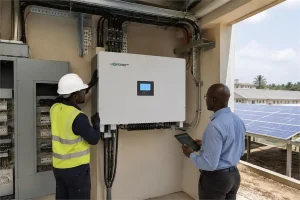
How to Maintain Solar Inverters for Reliable Performance?
In solar power, inverters are key components that transform sunlight into electricity. With regular care, the inverter will function correctly and minimize potential performance problems over time.
1) Check Inverter Connections, Parts, and Physical Condition.
A visual inspection helps identify problems early. Look for any unusual changes in the inverter’s condition, sound, or display. Loose connections can affect system output and may create safety risks. Keep the area around the inverter clean and dust-free. Use the unit in a dry, clean room.
2) System Performance and Look for Early Warning Signs
Monitoring system performance helps users better understand the inverter’s performance. If energy production suddenly decreases, it may signal that the system needs attention.
Some inverters include monitoring capabilities and display daily information. Users should review this information periodically to spot changes. It is easier to resolve small problems when you catch them early.
3) Keep Firmware and Software Up to Date for More Efficient Performance
Some solar power inverters can receive software updates to improve system performance. These changes can resolve known problems and enhance communication between system components.
Users should update regularly and follow the manufacturer’s instructions. Installing updates on time helps keep the inverter up to date with the latest settings. [3][6] Recommendations for End-Users’ Daily Maintenance
Daily Maintenance Tips for End-Users
Regular care can keep lithium batteries and solar inverters in good condition. Simple practices can help you keep the system running smoothly.
1) Maintain Suitable Temperature and Humidity Levels
Temperature affects a battery’s performance. Excessive heat can cause stress on battery cells. Low temperatures can also reduce battery output.
Store the battery and inverter in an appropriate location. Avoid places that are too hot or too wet. A clean, dry space helps protect the equipment.
2) Properly Set Up Depth of Discharge (DOD) Settings
Depth of discharge is how much power the battery uses before it needs recharging. The proper setting can minimize stress on the battery.
Try not to drain the battery too often. A balanced charging routine can help keep the battery in good shape for longer. The proper setting depends on the battery type, and users should follow the manufacturer’s recommendations.
3) Schedule routine firmware upgrades and system checks.
Firmware updates ensure that the system controls run correctly. Users should follow the manufacturer’s guidelines for checking for updates.
Periodic checks can help detect performance changes. A rapid battery check and inverter warning can indicate needed action. The sooner you act, the less serious the problems will be. [3][6]
What Are the Common Mistakes That Reduce Lithium Battery and Solar Inverter Lifespan?
Most battery and inverter issues stem from maintenance errors. These problems may not be apparent right away, but they can impact system performance over time.
One of the most common mistakes is disregarding the temperature. Do not store batteries in very hot locations, as this can cause undue stress. Equipment can also build up heat when airflow is inadequate.
Another violation is using the wrong battery settings. Incorrect charging boundaries or discharge settings can affect battery life. Always consult the recommended settings for a given system.
Some users also put off simple tests until an issue arises. Frequent checkups can catch unusual changes early. This lets users act before small problems become major issues.
Skipping software updates can cause other problems. Firmware updates ensure the inverter controls operate properly. The manufacturer’s guidance helps maintain the system’s health. [3][6]
Simple Tips to Extend the Life of Your Solar System
- Store lithium batteries at a stable temperature.
- Don’t run the battery at very low levels for extended periods.
- Monitor the battery and the inverter for any unusual changes.
- Maintain good ventilation around the inverter.
- Set and update according to the manufacturer’s instructions.
- Have a professional check it if you repeatedly notice system problems.
FAQs:
1. How Often Should Lithium Batteries Be Maintained?
Check lithium batteries regularly (according to the manufacturer’s guidelines). This varies by battery type and use. These frequent checks help users spot changes in the battery’s condition before they become serious problems.
2. What’s the best temperature range for operating Lithium batteries?
The recommended temperature range depends on the battery type and the manufacturer’s recommendations. The batteries may be affected by extreme heat or cold. Place the battery in an appropriate environment so it can operate properly.
3. Can Solar System Performance be reduced if Improper Inverter Maintenance is not performed?
Yes, if the inverter is not maintained properly, it can negatively affect a solar system’s efficiency. An inverter may cause energy loss or unplanned power outages. Regular checks can help ensure stable operation.
4. What is the lifetime of Lithium Batteries and Solar Inverters if they are well-maintained?
Several factors affect the life of lithium batteries and solar inverters. These include user habits, installation standards, and usage frequency. With proper maintenance, these systems can last for years.
5. Should Solar Inverter Software Be Updated?
For some solar inverters, software updates are important. These can enhance system control and resolve identified problems. Follow the manufacturer’s update instructions. [3][6]
6. Do Users get the opportunity to perform maintenance on Lithium Batteries and Solar Inverters?
Users can do simple checks (e.g., system info, cleanliness). Trained professionals should do technical work. Interpret and follow safety instructions for equipment. [3][5]
Final Thoughts!
To keep lithium batteries and solar inverters performing optimally, they need regular attention. These checks are easy to do. They can help you identify problems early and avoid larger issues down the road.
Effective maintenance doesn’t have to be a hassle. Users can ensure their systems are protected. Follow the proper settings and inspect the equipment regularly.
Each solar system will have its own specific needs. The safest approach is to follow the manufacturer’s instructions. If needed, you can seek help from a professional. With proper maintenance, lithium batteries and solar inverters can last for years. [1][3]
Want to be sure you have the right energy storage system? LuxpowerTek can help you choose the one that suits you best. Call our staff today to get more information about our products. Get the best deal on your solar system today!
References:
[1] International Renewable Energy Agency (IRENA). Electricity Storage and Renewables: Costs and Markets to 2030.
[2] Keil, P., & Jossen, A. (2016). Calendar Aging of Lithium-Ion Batteries. Journal of The Electrochemical Society, 163(9), A1872–A1880.
[3] U.S. Department of Energy (DOE). Solar Photovoltaic System Maintenance and Operations Guidelines.
[4] Battery University. How to Prolong Lithium-Based Battery Life.
[5] International Electrotechnical Commission (IEC). IEC Standards for Photovoltaic Systems and Electrical Equipment Safety.
[6] Vetter, J., Novák, P., Wagner, M. R., et al. (2005). Ageing Mechanisms in Lithium-Ion Batteries. Journal of Power Sources, 147(1–2), 269–281.