
As energy crises rise and dependence on power systems grows, energy independence has become essential. Residential microgrids are in growing demand because they enable independent electricity production and improve sustainability.
Today, we will explain residential microgrids in detail and explore their future.
What are Residential Microgrids? Working Mechanism
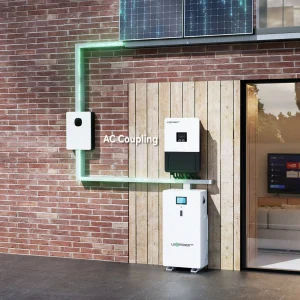
A residential microgrid is a localized power system. It manages multiple power sources to ensure a reliable energy supply.
Residential microgrids may include multiple energy sources.
- Solar photovoltaic panels
- Battery energy storage systems
- Hybrid or bidirectional inverters
- EV charging equipment
- Smart electrical loads
- Energy management systems
- Grid connection and protection equipment
Working Mechanism
The working mechanism is simple and efficient. For example, microgrid controllers monitor and direct energy flow through the system as follows.
- Solar power supplying household loads
- Excess solar charging the battery
- Additional surplus electricity charging an EV
- Battery energy supplying loads when solar production falls
- Grid electricity supporting the home when local generation is insufficient
This process helps keep energy supply stable and reliable.
Solar and Battery Storage Integration
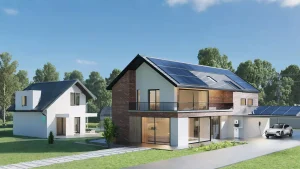
Solar energy has emerged as the main energy source integrated with battery and inverter systems.
Solar Power as the Primary Energy Source
Solar power is sustainable and makes the system more reliable and higher quality. In the future, dependence on solar energy will increase.
Users will drive most of their energy through solar power. The advantages of solar power include:
- Renewable electricity generation
- Reduced grid electricity consumption
- Lower daytime electricity demand
- Local energy production
- Greater control over energy usage
Battery Energy Storage for Solar Power
Battery energy systems have become a crucial part of solar power. They enable solar energy storage during peak times and provide power during outages.
- Store excess daytime solar generation
- Supply electricity during the evening
- Provide backup power during outages
- Reduce peak grid consumption
- Improve solar self-consumption
- Support critical household loads
Smart Battery Management
Smart Energy management is crucial to minimize grid consumption during peak periods. When solar production is excessive, the system may export energy to the grid to receive time-of-use benefits.
- Maintain a reserve for power outages
- Charge when solar production is high
- Discharge during expensive electricity periods
- Reduce unnecessary battery cycling
- Coordinate with EV charging
- Improve overall energy efficiency
Hybrid Inverter For Energy Usage
Hybrid inverters can be very effective for seamless energy conversion and consumption. They provide the following features.
- Solar energy consumption: DC energy is converted into AC for home appliances.
- Inverters transmit excess solar energy to charge batteries.
- You can charge your EVs by converting solar energy through hybrid inverters.
- A hybridA hybrid inverter can convert DC energy stored in batteries into AC for use in home appliances.
- Grid energy consumption becomes seamless for the home.
- EV-to-home energy conversion and usage when V2H is supported.
EV Charging and Vehicle Energy Integration
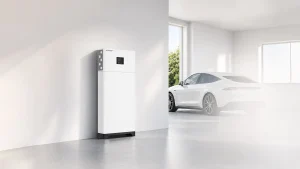
EV adoption has increased in recent years. As adoption grows, EV charging and vehicle energy integration systems will become more common.
Smart EV Charging
When you connect an EV’s charging system to the solar system, it may not charge and will depend on energy production. During peak production hours, it may start charging and improve overall energy reliability.
- Prioritize surplus solar energy
- Avoid expensive peak periods
- Reduce unnecessary grid demand
- Adjust charging rates automatically
- Ensure sufficient vehicle charge for planned trips
Vehicle-to-Home Energy
Vehicle-to-home energy lets users charge home appliances or maintain energy flow from electric vehicles to the home. This is possible with the right infrastructure and compatible hardware systems.
It may support:
- Supporting household loads
- Reducing peak grid consumption
- Providing temporary backup power
- Using stored EV energy during evening periods
- Increasing the value of the vehicle battery
Vehicle-to-Grid Integration
Vehicle-to-grid integration is a bidirectional energy transmission option. In this process, you can charge your EV when the grid supply is available. Energy can also flow from your EV to the grid.
It allows:
- EVs to support grid demand
- Charging during periods of abundant electricity
- Exporting electricity when grid support is required
- Participation in energy-management programs
- Aggregation of multiple EV batteries as distributed resources
Future Technologies and Community Microgrids
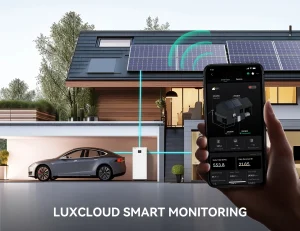
Residential microgrids may shift in the future due to artificial intelligence and other factors.
Artificial Intelligence in Energy Management
AI improves energy management through data insights. It manages multiple sources and enhances smart systems. With the help of artificial intelligence, energy management may help with:
- Weather forecasts
- Solar production forecasts
- Household consumption patterns
- EV driving requirements
- Electricity prices
- Battery availability
Community Residential Microgrids
Instead of relying solely on residential microgrids, this concept may extend beyond them. People may consider community grid systems that operate as centralized energy supply systems.
It helps with:
- Shared energy resources
- Improved local resilience
- Coordinated EV charging
- Greater renewable-energy utilization
- Shared battery storage
- Support for important community facilities
Distributed Energy Resources
Residential energy sources may also include DER. Energy production and consumption occur at a single place. Benefits include reduced energy losses and improved system reliability.
DER may support:
- Local electricity generation
- Demand management
- Grid balancing
- Renewable-energy integration
- Peak-load reduction
- Energy flexibility
Bidirectional Energy Networks
Bidirectional energy networks allow energy to flow in both directions. For example, during an outage, energy can flow from solar systems to the grid, appliances, and other sources. Without an outage, energy may flow through the grid.
This creates a dual system for electricity consumers and distributed energy producers.
结论
Residential microgrids operate as independent energy systems. They often use solar energy as a primary source with the grid as a backup supply during outages. They help reduce electricity costs, improve overall energy performance, and enhance system reliability. When installing solar systems, always use compatible hybrid inverters. They enable seamless energy transmission between different components.
If you are looking for solar inverters and relevant solutions, contact Luxpowertek. We offer a premium range of hybrid inverters to streamline energy usage. Contact our experts regarding solar energy solutions right away!
Meta Title: Residential Microgrids Future: Solar, Batteries, and EV Charging Integration
Meta Description: Residential microgrids have a bright future with solar systems, batteries, and EV charging. Hybrid inverters play a crucial role in smart energy management. Read on!