
A normal inverter mainly converts DC power into AC power. A hybrid inverter does that job too, but it also manages solar panels, batteries, grid power, backup loads, and energy scheduling in one system. That is the practical difference. At LuxpowerTek, we usually separate the question into two parts: conversion capacity and energy flow control. A normal inverter is about conversion. A hybrid inverter is about conversion plus control.
This matters because many inverter problems do not come from the inverter name itself. They come from the way the system is expected to behave. A cabin system running lights and a refrigerator from a battery has a different design target than a home with daytime solar surplus, evening air conditioning demand, and backup expectations during outages. The inverter choice should follow that energy pattern.
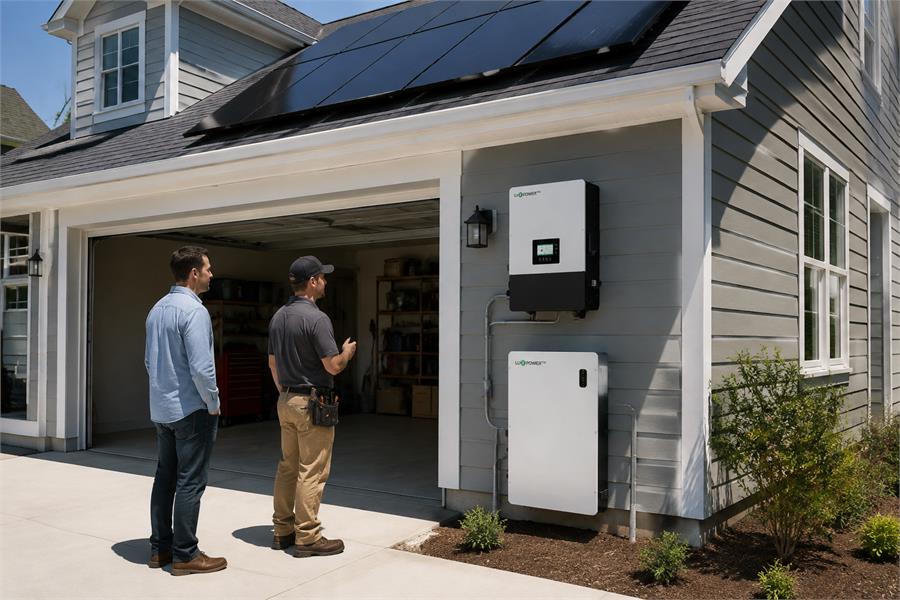
Direct Comparison
A normal inverter may be enough when the job is simple DC to AC conversion and the load, safety, and code requirements are simple. Waveform, continuous power, surge power, protection, certification, and installation method still need to match the real site. A hybrid inverter makes more sense when the system needs solar input, battery charging, backup operation, grid interaction, time based control, or remote monitoring.
The U.S. Department of Energy explains that solar inverters convert DC electricity from solar panels into AC electricity used by the electrical grid and appliances. It also notes that solar and battery storage systems rely on advanced inverters when they are designed to operate during outages. That is the point where a basic conversion device and a hybrid energy control device begin to feel very different.
So the choice is not only about watts. Rated output still matters, but the bigger question is whether the inverter must decide where energy should go during the day, at night, during a grid outage, or during high tariff hours.
"Normal Inverter" Is Not One Fixed Category
The phrase "normal inverter" is broad, so the comparison should be handled carefully. In many sales and installation conversations, people use it to mean different things.
Sometimes it means a battery inverter that takes stored DC power and runs AC loads. Sometimes it means a grid connected solar inverter that converts PV power for home use or grid export. In other cases, it may refer to an off grid inverter, a pure sine wave inverter, or a simple backup inverter used with a battery bank.
For this article, "normal inverter" means an inverter whose main role is power conversion, with limited system level energy management. A hybrid inverter means an inverter designed to manage PV, battery, grid, and load behavior together. This distinction keeps the comparison fair and avoids treating every non hybrid inverter as the same product.
Normal Inverter vs Hybrid Inverter
| Comparison Point | Normal Inverter | Hibrid inverter |
|---|---|---|
| Main job | Converts DC power into AC power. | Converts power and manages solar, battery, grid, and loads. |
| Solar use | May need separate solar charging or system control equipment. | Hybrid inverter often accepts PV input directly and manages solar use through built in control. |
| Battery use | May discharge a battery, depending on product type. | Usually supports battery charging, discharging, reserve settings, and energy scheduling. |
| Backup behavior | Depends on the full system design and transfer equipment. | Can support selected backup loads when the system is wired and approved for that use. |
| Best fit | Simple backup, basic DC to AC conversion, or existing modular systems. | Solar and storage systems that need smarter energy flow control. |
What a Normal Inverter Does Well
A normal inverter works well when the load requirement is direct. It takes DC electricity from a battery or PV related source and turns it into usable AC electricity. For a small backup setup, mobile power system, workshop, or simple off grid arrangement, that can be the right level of equipment.
A normal grid connected solar inverter can also be a good choice when the goal is mainly to convert solar energy for immediate use or export. The U.S. Department of Energy’s Solar Photovoltaic System Design Basics | Department of Energy page explains that PV systems may use one inverter for all modules or microinverters for individual modules. That kind of inverter decision is often about PV layout, shading, serviceability, and cost.
The limitation appears when the system adds storage and backup requirements. A normal inverter may still work, but it may need separate equipment for charging, transfer, battery protection, communication, and energy control. More separate devices can be perfectly valid, although they also require more coordination during design and commissioning.
What a Hybrid Inverter Adds
A hybrid inverter adds energy direction control. It can decide whether solar power should feed loads, charge the battery, support backup circuits, or interact with the grid according to the selected mode and local rules.
The Department of Energy’s Solar Integration: Solar Energy and Storage Basics | Department of Energy explains that storage helps solar energy serve demand when sunlight is unavailable and can support resilience during electrical disruptions. In a home or small business system, the hybrid inverter is often the device that turns that idea into daily operation.
In practical installation discussions, this is where the hybrid inverter becomes valuable. Morning PV production may cover house loads first. Midday surplus may charge the battery. Evening demand may be supplied from the battery if the owner wants higher self consumption or lower peak period grid use. During an outage, selected backup loads may be supported when the system is designed for that function.
For readers who want a deeper operating mode explanation, our guide on Hogyan működik egy hibrid napelemes inverter? Szakértői útmutató gives more detail on grid tied mode, battery backup mode, PV charge mode, self consumption, and peak shaving.
How to Choose Between a Normal Inverter and a Hybrid Inverter
The faster way to choose is to look at the energy plan, not the product label. If the system only needs to run a few AC loads from a battery, a normal inverter may be suitable. If the project needs PV, battery, grid, backup loads, generator input, smart load control, retrofit planning, or remote monitoring to work together, a hybrid inverter is usually the better starting point for the design discussion.
A hybrid inverter is especially useful when solar panels are installed now or likely to be added later, battery backup is part of the goal, time of use pricing or peak shaving matters, or an existing grid tied solar system needs a cleaner storage retrofit. Local code, utility approval, battery compatibility, and backup wiring still need to be checked before the final model is selected.
This guidance should be treated as a design guide, not a universal rule. Electrical code, utility interconnection rules, approved equipment lists, and backup wiring practices vary by market. A qualified installer should confirm the final design before installation.
Where LuxpowerTek Hybrid Inverters Fit
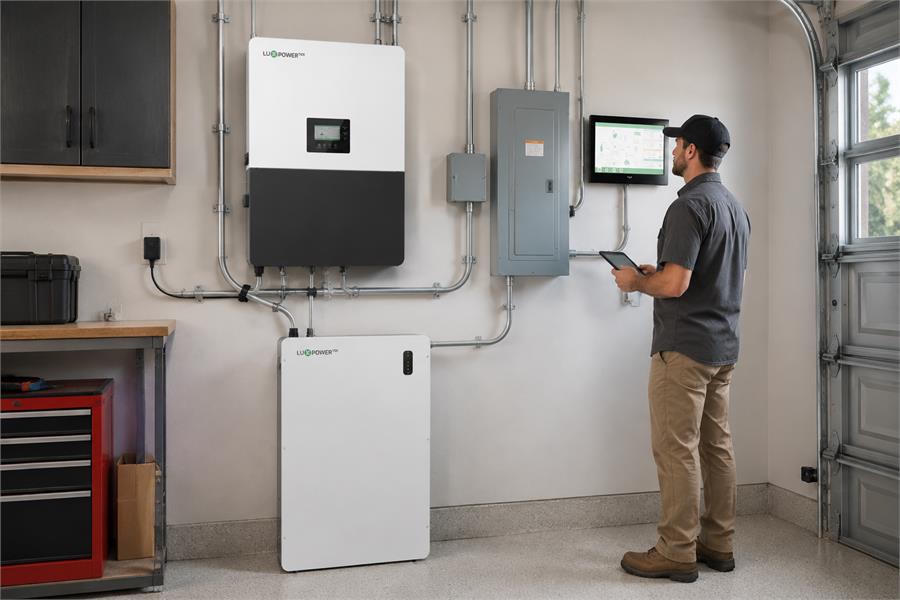
At LuxpowerTek, we design hybrid inverters for homes and projects that need reliable solar use, practical battery backup, and smarter control over daily energy flow. A good hybrid inverter should make the system feel coordinated: solar power during the day, stored energy when loads rise, backup support during outages, and clear monitoring when settings need adjustment. Our Hybrid Solar Inverter Solution System – LuxpowerTek brings these needs together with flexible options for different grid types, power levels, and storage applications.
When a site needs split phase output, PV plus battery operation, and options for generator, AC coupling, or smart load connection, our Hybrid Inverter | Split Phase Inverter US 8K/10K – LuxpowerTek is a strong choice for homeowners who want a clean path into solar storage. Its 2 MPPTs with 4 string inputs help installers handle real roof layouts with more flexibility, while the 15kW maximum PV input gives the system generous solar access for daily self consumption. Support for up to 10 units in parallel, on grid and off grid switching, peak shaving, AFCI protection, integrated breakers, and a separate port for generator, AC coupling, or smart load connection make this model especially practical for homes that need backup confidence and room to expand.
For larger residential and high-load projects, our Hybrid Inverter | Split Phase Inverter US 16K – LuxpowerTek is built for stronger whole-home energy plans. It gives large homes a more confident foundation for solar storage, battery discharge, generator integration, smart load control, and LuxCloud monitoring. With 120/240V split-phase output, 250A battery current, a built-in 400A battery breaker, 25kW PV array power for PV oversizing, and a 21,000W Max. PV input power specification, it is designed for projects where evening loads and backup demand need more headroom. For final PV string design, our recommendation is always to match the selected model with the latest datasheet, battery compatibility, local code, and utility requirements.
Why Battery Storage Changes the Decision
Battery storage changes the inverter decision because it adds timing. A solar inverter without storage mainly handles power conversion while the sun is available. A solar and storage system has to decide when to charge, when to discharge, what reserve to keep, and how to protect the battery.
That is also why many buyers compare the inverter too late. The battery plan, backup load list, PV size, generator plan, and utility rules should be discussed before the inverter model is selected. Our article What is Hybrid Inverter – Hybrid Solar Inverter gives more background on common hybrid operating modes for readers still mapping out the system structure.
From our product support perspective, the most useful early information is specific. PV array size, battery voltage and capacity plan, main loads, backup loads, grid voltage, generator requirement, and monitoring expectation all affect the recommendation. Without those details, an inverter comparison can look simple on paper and become difficult on site.
When a Normal Inverter May Still Be the Right Choice
A normal inverter may be the right choice when the system is small, isolated, or already built around separate control devices. A small cabin that needs battery power for lights, a router, and a refrigerator does not always need a full hybrid solar storage platform. A workshop backup system with a known battery bank and simple loads may also remain straightforward.
It can also make sense when a project has an existing architecture that is already approved, documented, and working reliably. Replacing one part with a hybrid inverter may add value, but it should be evaluated against wiring changes, battery compatibility, local approvals, and service expectations.
Common Mistakes to Avoid
The first mistake is comparing only rated output power. Output power matters, but it does not confirm PV input limits, MPPT layout, battery current, backup output, passthrough capacity, or parallel capability.
The second mistake is assuming every solar system can provide backup during a grid outage. Many grid connected solar systems shut down during outages unless the system includes approved backup and isolation design. A hybrid inverter can be part of a backup solution, but the full installation decides the result.
The third mistake is ignoring maintenance visibility. Remote monitoring can make after sales diagnosis and system tuning much easier. Our related article on the Difference Between UPS & Inverter – UPS and Inverter may help when backup speed, runtime, and protected loads are also part of the decision.
Final Answer
The difference between a normal inverter and a hybrid inverter is the level of control. A normal inverter mainly converts DC power into AC power. A hybrid inverter converts power and manages the flow between solar panels, batteries, the grid, generators, and loads.
Use a normal inverter when the project is only about straightforward DC to AC conversion and the electrical requirements are clear. Move to a hybrid inverter when the system needs solar storage, backup power, self consumption, peak shaving, retrofit planning, smart loads, or remote monitoring to work as one coordinated energy system.
If the project is a split phase home system, start with the LuxpowerTek hybrid inverter range and compare it with the PV size, battery plan, backup load list, and grid requirements. For model selection, our team can review those details and help narrow the choice before quotation or installation planning.
GYIK
Can a hybrid inverter work without a battery?
Yes, some models can. Without a battery, it usually works more like a grid tied solar inverter, so backup power and stored evening energy still need compatible batteries.
Will a normal solar inverter work during a power outage?
Usually no. Most grid tied inverters shut down during outages unless the system has approved backup and isolation equipment.
Is a hybrid inverter worth it if batteries are added later?
Often yes. A battery ready hybrid inverter can make future storage expansion cleaner, but the final choice still depends on wiring, battery compatibility, and utility rules.
Does a hybrid inverter save money without batteries?
It can help with solar self use. The stronger savings control usually comes after batteries are added, especially where evening rates are higher.
What should be checked before choosing a hybrid inverter?
Check PV size, battery plan, grid voltage, backup loads, and generator or smart load needs. These details decide whether the inverter fits the real system.
Sources
- Solar Integration: Inverters and Grid Services Basics | Department of Energy
- Solar Photovoltaic System Design Basics | Department of Energy
- Solar Integration: Solar Energy and Storage Basics | Department of Energy
- Hybrid Inverter | Split Phase Inverter US 8K/10K – LuxpowerTek
- Hybrid Inverter | Split Phase Inverter US 16K – LuxpowerTek