
A instalação de fontes de energia renováveis é bastante comum hoje em dia. Quase todas as instalações comerciais ou residenciais incluem um sistema de energia solar. A maioria das pessoas se pergunta qual o tipo e o tamanho de bateria necessários.
As baterias LiFePO4 são a escolha ideal para alta capacidade e desempenho a longo prazo. No entanto, muitas pessoas cometem erros ao escolher baterias LiFePO4 com tamanho inadequado, seja por excesso ou por falta de capacidade. Hoje, vamos discutir a importância das baterias LiFePO4 e como você pode escolher o tamanho certo a um custo acessível.
Por que é importante escolher a bateria LiFePO4 certa para armazenamento de energia solar?
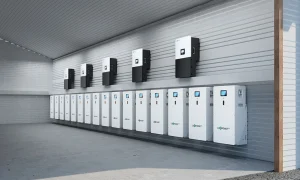
Escolher o tamanho certo de armazenamento de bateria é crucial. Antes de entendermos o tamanho ideal, precisamos saber como um tamanho inadequado pode nos afetar.
Bateria LiFePO4 subdimensionada para armazenamento de energia solar
A bateria serve como armazenamento. Se você precisar de 5 kW enquanto tiver uma bateria de 4 kW, ela não durará muito tempo.
Uma bateria subdimensionada apresenta diversas desvantagens.
- Falha ao configurar o sistema corretamente.
- Descarrega rapidamente.
- Sofre um revés inicial devido a um tamanho menor do que o necessário.
Bateria LiFePO4 de grande capacidade para armazenamento de energia solar.
Baterias superdimensionadas parecem vantajosas, mas são mais do que isso. Comprar um sistema de 8 kW para um sistema de 5 kW é um exagero e apresenta algumas desvantagens.
- Geralmente é caro.
- Desperdício de dinheiro e energia armazenada.
Bateria LiFePO4 do tamanho certo para armazenamento de energia solar
Se você procura uma bateria LiFePO4 do tamanho certo, esta é uma ótima opção pelos seguintes motivos.
- Seu sistema funciona de forma eficiente e fornece a energia necessária.
- Há alta precoce.
- Você pode economizar mais dinheiro do que com um sistema superdimensionado e garantir as metas de expansão futuras.
Passo 1: Calcule seu consumo diário de eletricidade.
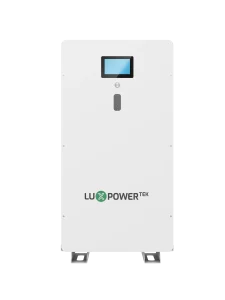
Ao escolher a bateria LiFePO4 adequada para armazenamento de energia solar, o primeiro passo é determinar seu consumo de energia.
Quanta energia você consome? O cálculo é simples.
Potência dos aparelhos x horas de funcionamento
Suponhamos que usemos como exemplo diferentes dispositivos; então, vamos aplicar esta fórmula e calcular o consumo total de energia.
| Eletrodoméstico | Poder | Uso diário | Energia diária |
| Luzes LED | 120 W | 6 horas | 720 Wh |
| Frigorífico | 180 W | 10 horas | 1.800 Wh |
| Televisão | 120 W | 4 horas | 480 Wh |
| Ventiladores de teto | 150 W | 8 horas | 1.200 Wh |
| Computador portátil | 80 W | 5 horas | 400 Wh |
| Roteador Wi-Fi | 15 W | 24 horas | 360 Wh |
De acordo com os cálculos, o consumo total de energia é de 4.960 Wh por dia. Isso significa que, se você comprar um sistema de baterias LiFePO4 com capacidade de 5 kW, ele será suficiente para alimentar todos os dispositivos listados.
Passo 2: De quanta energia de reserva você precisa?
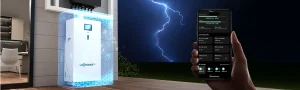
Não se trata apenas do uso diário, mas também da energia de reserva necessária. Você precisa calcular a reserva necessária.
- O backup normal tem duração de até 1 dia.
- Quedas de energia frequentes exigem uma bateria de reserva com autonomia de até 2 dias.
- Cabanas remotas devem ter um sistema de reserva para 3 dias.
- Casas autossuficientes (sem acesso à rede elétrica) são planejadas com uma reserva de energia para 3 a 5 dias.
Suponha que seu consumo diário seja de 5 kW. Para um dia de autonomia, você precisa de uma bateria com capacidade de armazenamento de 5 kW. Para dois dias, será de 10 kW.
Você pode multiplicar o número de dias pela capacidade de armazenamento da bateria.
Etapa 3: Considere a profundidade de descarga da bateria (DoD)
A profundidade de descarga é importante, pois as baterias não permitem a descarga completa. Adivinhe só? As baterias AGM e de chumbo-ácido permitem a descarga 50%.
Em comparação, uma bateria LiFePO4 permite uma descarga de 80-90% de sua capacidade.
Vamos entender isso através de um exemplo.
Suponha que você tenha instalado um sistema de baterias de 10 kW. Se você descarregar baterias de chumbo-ácido, obterá 5 kW após o limite de descarga 50%. Para baterias LiFePO4, você pode obter até 9 kW com segurança após o limite de descarga 90%.
Isso significa que as baterias LiFePO4 oferecem melhor suporte ao seu sistema e proporcionam maior segurança, consumindo grande parte da energia de reserva armazenada.
Passo 4: Combine o tamanho da bateria com a potência do painel solar.
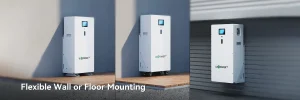
É aqui que a maioria dos compradores vai cometer um erro!
Comprar baterias de alta capacidade não significa necessariamente economizar mais energia. O ideal é escolher baterias com tamanho e potência compatíveis com a potência dos seus painéis solares.
Por exemplo, imagine que você instalou uma série de 10 painéis solares, cada um com uma capacidade de produção de energia de 600 watts. Isso significa que a produção total de energia do conjunto de painéis solares será de 6 kW.
Suponha que a luz solar atinja seu pico durante 5 horas por dia e que seus painéis solares ofereçam uma eficiência de produção de 97-98%.
A produção total de energia será de:
Potência de saída = 5 x 6 kW = 30 kW
Agora, você deve subtrair o consumo médio de energia. Suponha que seja de 11 kW. Portanto, o excesso de energia produzido é de 19 kW. Você deve instalar baterias com capacidade entre 10 e 19 kW. Comprar baterias maiores não as carrega completamente e causa problemas de superdimensionamento.
Passo 5: Considere a previsão do tempo
Como você instalou os painéis solares como sua fonte de energia, eles são afetados pelas condições ambientais. Se não houver luz solar em um dia nublado, você não produzirá muita energia e precisará de baterias grandes para:
- Dias nublados frequentes
- Chuvas fortes
- Invernos longos
- Neve sazonal
- Tempestades frequentes
Dependendo das condições climáticas locais, você deve comprar baterias de maior capacidade se costuma ter dias nublados.
Em regiões com frequentes interrupções de energia ou tempo nublado, deve-se manter uma margem de segurança de 15-30% acima da capacidade necessária.
Etapa 6: Identificar as cargas críticas
Você reduz os custos com baterias comprando um sistema menor do que o necessário? Por exemplo, você quer investir em baterias de 5 kW em vez de baterias de 10 kW.
Tecnicamente, parece desafiador, mas é possível eliminando dispositivos e cargas desnecessárias do consumo total de energia.
Você deve identificar apenas os eletrodomésticos essenciais e mantê-los ligados durante os cortes de energia. A residência possui os seguintes aparelhos essenciais:
- Frigorífico
- Iluminação LED
- Roteador de internet
- Sistema de segurança
- Equipamentos médicos
- Bomba de água
- carregadores de celular
- Pequenos eletrodomésticos de cozinha
Você deve calcular o consumo de energia desses aparelhos e comprar uma bateria com a capacidade adequada para alimentá-los.
Tamanhos de baterias LiFePO4 recomendados para diferentes aplicações
Diferentes aplicações exigem diferentes tamanhos de bateria LiFePO4. Aqui está uma visão geral de algumas aplicações com seus respectivos tamanhos de bateria.
Cabana pequena ou casa minúscula
Uma cabana pequena ou uma microcasa não possui muitos eletrodomésticos. Elas têm apenas alguns aparelhos, como:
- Iluminação
- Computador portátil
- Mini geladeira
- Carregando o celular
- Internet
Elas têm um consumo de energia mais baixo, de até 3 kW. Como essas ferramentas são essenciais e críticas, você deve comprar uma bateria de 3 a 5 kW para alimentar essas cargas críticas durante uma queda de energia.
Pequena casa residencial
As residências de pequeno porte possuem os eletrodomésticos básicos. Elas geralmente utilizam os seguintes aparelhos.
- Frigorífico
- Televisão
- Fãs
- Iluminação
- Internet
- Pequenos eletrodomésticos de cozinha
Dependendo do consumo de energia, eles costumam usar de 5 a 8 kW de energia por dia. O consumo de energia recomendado é de 8 a 12 kWh.
Casa de tamanho médio
Casas de tamanho médio têm um consumo de energia ligeiramente maior do que casas menores. Elas geralmente utilizam os seguintes eletrodomésticos:.
- Ar condicionado
- Cozinha elétrica
- Máquina de lavar
- Bomba de água
O consumo médio ronda os 10-15 kWh, sendo que o ideal seria adquirir um sistema de baterias de 15-20 kWh.
Casas familiares grandes
Casas familiares grandes possuem vários eletrodomésticos. Em vez de um único aparelho de ar condicionado, elas têm vários. Portanto, o consumo de energia atinge picos nessas famílias. Exemplos comuns de eletrodomésticos são:
- Vários aparelhos de ar condicionado
- Cozinha elétrica
- Máquinas de lavar roupa
- Sistemas de entretenimento
- bombas de água
- cargas domésticas maiores
O consumo diário é de 20 a 30 kWh, enquanto a recomendação é de 25 a 40 kWh de reserva de energia em baterias.
Sistemas solares isolados da rede
Os sistemas solares isolados da rede elétrica produzem e utilizam energia de forma independente, sem conexão com a rede elétrica convencional. Como não há outra fonte de energia para o sistema, recomenda-se um sistema de armazenamento de energia em baterias de grande capacidade. Por exemplo, considerando uma demanda diária de 15 a 25 kWh, recomenda-se uma bateria de 30 a 60 kWh para manter os equipamentos essenciais em funcionamento por vários dias.
Perguntas frequentes
- Uma bateria LiFePO4 consegue alimentar toda a minha casa durante uma queda de energia?
Sim. Sua bateria LiFePO4 pode alimentar sua casa durante uma queda de energia. No entanto, com base em suas necessidades de energia e expectativas de operação, escolha a bateria LiFePO4 com o tamanho adequado para armazenamento de energia solar.
- Uma bateria LiFePO4 é melhor do que uma bateria de chumbo-ácido para armazenamento de energia solar?
Sim. As baterias LiFePO4 são muito melhores do que as baterias de chumbo-ácido devido à sua maior vida útil, melhor compatibilidade e maior facilidade de expansão futura. A durabilidade as torna mais adequadas.
- Posso expandir a capacidade da minha bateria LiFePO4 no futuro?
Sim. A maioria das baterias LiFePO4 vem com sistemas modulares que facilitam a expansão. Isso mantém o sistema flexível e escalável.
- Qual a vida útil de uma bateria LiFePO4 em um sistema de armazenamento de energia solar?
As baterias LiFePO4 têm uma longa vida útil de 10 a 15 anos. Se você deseja alto desempenho, faça a manutenção regular das suas baterias e garanta durabilidade a longo prazo.
- Qual o tamanho ideal de bateria LiFePO4 para armazenamento de energia solar?
Os tamanhos das baterias LiFePO4 variam. Você deve escolher o tamanho da bateria LiFePO4 com base em suas necessidades de energia, condições de armazenamento e por quanto tempo deseja utilizá-las com uma única carga.
Conclusão
Escolher baterias LiFePO4 é uma decisão inteligente. No entanto, é importante conhecer suas necessidades, calcular o tamanho adequado e adquirir um sistema de armazenamento de energia compatível. As baterias LiFePO4 para armazenamento de energia solar são uma solução perfeita se você optar por uma marca renomada e por garantias.
A Luxpowertek apresentou o Série de baterias de armazenamento PGEM, oferecendo Alta capacidade, confiabilidade e desempenho excepcional em todas as condições. Com uma vida útil de 6.000 ciclos, você terá mais do que precisa. Escolha nossas soluções de bateria de alta qualidade agora mesmo!