
A energia solar é hoje uma das fontes de energia renováveis mais populares. Mas, para utilizá-la de forma eficiente, precisamos de baterias confiáveis que consigam armazená-la eficazmente. No mercado, existem diversas opções de baterias. Entre elas, as baterias de estado sólido e as de íon-lítio se destacam como as mais confiáveis. Mas a grande questão é: bateria de estado sólido ou bateria de íon-lítio para energia solar: qual é a melhor?
Basicamente, as baterias de íon-lítio existem há décadas. Por isso, são conhecidas por sua confiabilidade, eficiência e preço relativamente acessível. No entanto, as baterias de estado sólido são uma inovação moderna e prometem longa vida útil. Mas qual delas é realmente a melhor para um sistema de energia solar? Neste artigo, explorarei as principais diferenças entre baterias de estado sólido e de íon-lítio. Isso ajudará você a decidir qual bateria se destaca. Então, vamos começar.
Bateria de estado sólido versus bateria de íon-lítio para energia solar: principais diferenças
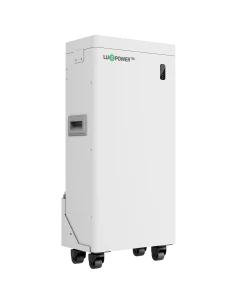
As baterias de estado sólido e as de íon-lítio desempenham papéis fundamentais no armazenamento de energia solar. No entanto, ambas possuem capacidades e eficiências diferentes. Por isso, para escolher a melhor bateria para o seu sistema solar, é preciso entender as diferenças entre elas. Vamos então explorar como essas baterias se diferenciam.
1- Tipo de eletrólito
Como você sabe, o eletrólito é uma das partes mais importantes de uma bateria. É o material que permite que os íons se movam entre o ânodo e o cátodo. Graças a esses movimentos iônicos, ocorrem os processos de carga e descarga. Tanto as baterias de estado sólido quanto as de íon-lítio possuem diferentes tipos de eletrólitos. Por exemplo, as baterias de íon-lítio têm um eletrólito líquido ou em forma de gel.
Esse material líquido ajuda os íons a se moverem rapidamente. É por isso que as baterias de íon-lítio geralmente fornecem energia mais rapidamente. Por outro lado, as baterias de estado sólido usam um eletrólito sólido em vez de um líquido. Esse eletrólito sólido geralmente é feito de cerâmica, vidro ou polímeros sólidos. Devido ao eletrólito sólido, não há risco de vazamento, tornando as baterias de estado sólido seguras e eficientes.
2- Densidade de Energia
A densidade energética é a quantidade de energia que uma bateria pode armazenar por unidade de volume. Este é outro fator essencial que distingue as baterias de estado sólido das baterias de íon-lítio. Por exemplo, as baterias de íon-lítio têm boa densidade energética. Elas podem armazenar uma quantidade significativa de energia sem serem muito pesadas. No entanto, seu eletrólito líquido às vezes limita o armazenamento da bateria devido ao risco de vazamento e ruptura.
Por outro lado, uma bateria de estado sólido tem uma densidade de energia muito maior do que uma bateria de íon-lítio. Por quê? Ela possui um eletrólito sólido que permanece estável e não apresenta risco de vazamento. Assim, para baterias de estado sólido, os projetistas utilizam materiais com maior densidade energética, como o lítio metálico. Dessa forma, ela armazena a energia máxima no mesmo volume.
3 - Tamanho e Peso
O tamanho e o peso da bateria afetam diretamente a facilidade de instalação e o espaço ocupado. Portanto, esse é outro fator que diferencia as baterias de íon-lítio das baterias de estado sólido. Por exemplo, as baterias de íon-lítio são menores e mais leves do que as baterias tradicionais. Essas baterias utilizam a tecnologia de íon-lítio, que emprega materiais de alta densidade energética. Assim, não há necessidade de fabricar baterias muito grandes.
Devido a riscos de segurança, as baterias de íon-lítio utilizam componentes adicionais, como sistemas de refrigeração e invólucros de proteção. Esses componentes, por vezes, aumentam o tamanho e o peso das baterias de íon-lítio. Por outro lado, as baterias de estado sólido são muito mais leves e compactas, devido ao seu eletrólito sólido, que é seguro e possui maior densidade energética. Além disso, esse eletrólito sólido não apresenta riscos de segurança, eliminando a necessidade de componentes de proteção adicionais.
Vida útil de 4 ciclos e velocidade de carregamento
A vida útil em ciclos refere-se ao número de vezes que uma bateria pode ser totalmente carregada e descarregada antes de começar a apresentar degradação de desempenho. Uma carga e descarga completa é chamada de ciclo. As baterias de íon-lítio geralmente têm uma vida útil de moderada a boa. Em média, uma bateria de íon-lítio tem uma vida útil de 500 a 2.000 ciclos.
Isso corresponde a cerca de 8 a 10 anos da vida útil total de uma bateria de íon-lítio. No entanto, devido a componentes internos críticos (eletrólito líquido), danos podem reduzir sua vida útil. Em contrapartida, as baterias de estado sólido têm uma vida útil muito mais longa. Por quê?
O primeiro motivo é o eletrólito sólido e as poucas reações químicas. Como resultado, o risco de danos internos é reduzido. Isso prolonga o ciclo de vida das baterias de estado sólido. Em média, uma bateria de estado sólido pode ter de 3.000 a 5.000 ciclos ou mais. Essa longa vida útil é particularmente útil para lidar com grandes sistemas solares.
5 - Tolerância à temperatura e segurança
A tolerância à temperatura refere-se à capacidade de uma bateria suportar temperaturas altas e baixas sem representar um risco à segurança. Nesse aspecto, as baterias de estado sólido se destacam. Essas baterias possuem um eletrólito sólido não inflamável e quimicamente estável. Isso significa que elas não inflamam ou pegam fogo facilmente. É por isso que as baterias de estado sólido conseguem lidar eficientemente com as flutuações de temperatura. Isso as torna uma opção mais segura tanto para o inverno quanto para o verão.
Por outro lado, as baterias de íon-lítio têm tolerância limitada à temperatura. Isso se deve ao seu eletrólito líquido, que se torna instável em altas temperaturas. Isso pode causar superaquecimento, inchaço, vazamento ou até mesmo incêndio. Além disso, temperaturas mais baixas podem reduzir a eficiência do líquido, tornando-o mais viscoso. Portanto, as baterias de íon-lítio funcionam bem apenas em temperaturas moderadas e exigem medidas de segurança rigorosas.
6- Custo e Acessibilidade
Por fim, o custo é um fator crucial que diferencia as baterias de íon-lítio das baterias de estado sólido. Em termos de custo, as baterias de íon-lítio são a opção mais acessível para armazenamento de energia solar atualmente. Como mencionei anteriormente, as baterias de íon-lítio são utilizadas há muitos anos. Portanto, são fabricadas em larga escala, e a produção em massa reduz diretamente seu custo.
Em contrapartida, as baterias de estado sólido têm um custo inicial mais elevado. Isso se deve ao fato de geralmente utilizarem tecnologia de ponta, o que limita sua produção em larga escala. Além disso, a fabricação de baterias de estado sólido é complexa, aumentando seu custo de produção. Contudo, um longo ciclo de vida, a segurança e a maior densidade energética tornam as baterias de estado sólido economicamente vantajosas a longo prazo.
Bateria de estado sólido versus bateria de íon-lítio para energia solar: qual escolher?
A decisão final entre baterias de estado sólido e baterias de íon-lítio para energia solar depende das suas necessidades. Na minha opinião:
Se você está escolhendo uma bateria para o seu sistema de energia solar hoje, as baterias de íon-lítio são a melhor opção. Elas são acessíveis, amplamente disponíveis e comprovadas em sistemas solares reais. No entanto, se o seu foco é o futuro e você busca segurança, maior vida útil e melhor desempenho, as baterias de estado sólido são as mais adequadas.
De modo geral, as baterias de íon-lítio para residências e empresas são mais confiáveis atualmente. Essas baterias funcionam bem com os sistemas existentes. inversores solares e possuem uma vida útil suficiente. Além disso, têm densidade energética adequada para armazenar a energia solar da sua casa diariamente e custam menos. No entanto, antes de comprar baterias de íon-lítio, você deve considerar a sua segurança. Essas baterias exigem atenção especial, manutenção adequada e inspeção.
Em contrapartida, as baterias de estado sólido são a opção avançada para armazenar energia solar. Elas utilizam um eletrólito sólido, que é muito mais denso em energia e mais seguro. Assim, essas baterias podem alimentar seu sistema solar de grande porte, mantendo-se leves e duráveis. No entanto, o custo inicial mais elevado torna as baterias de estado sólido menos práticas para a maioria dos sistemas solares comuns.