

Dél-Afrika folyamatos energiaválsággal küzd. A 2025 végi és 2026 eleji jelentések széles körű terheléscsökkentést mutatnak a régióban. Másrészt a növekvő költségek jellemzően arra ösztönzik az embereket, hogy alternatívákat keressenek. Ebben az esetben a hálózaton kívüli élet válik praktikus megoldássá.
Egyre több háztartás és vállalkozás keres stabil áramellátást. Nem akarnak a hálózatra támaszkodni, mert az instabil. Nagyszerű alternatíva a napelemes rendszer. A napfényből termel energiát, és azt éjszakai felhasználásra is képes tárolni. Ezek az előnyök jellemzően arra ösztönzik az afrikai embereket, hogy napenergiát használjanak.
Egy napelemes rendszer napelemekből, inverterekből és energiatároló rendszerekből áll. A teljes rendszer képes önállóan termelni és tárolni az energiát. Ki tudja elégíteni az otthonok és vállalkozások rendszeres energiaigényét. Csökkenti a hálózattól való függőséget. Ezért a napelemes, hálózaton kívüli élet gyorsan terjed Dél-Afrikában.
Dél-Afrika egyre súlyosbodó energiaválsága
Dél-Afrika évek óta komoly áramproblémákkal küzd. 2025 decembere és 2026 januárja között a helyzet rosszabbra fordult. Ez idő alatt a dél-afrikai nemzeti energiaszabályozó engedélyezte az Eskomnak, hogy ismét jelentősen megemelje az áramárakat. Ugyanakkor a terheléscsökkentés rontja az emberek életét. Sok otthonban nincs áram.
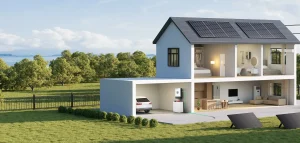
A hálózatok drágábbak és kevésbé stabilak. Még kockázatosabbá vált a középosztálybeli családok számára. Egyes családoknak olyan vállalkozásokat kell működtetniük, amelyekhez stabil áramellátásra van szükségük. Amikor azonban nincs áram, nincs más választásuk, mint bezárni az üzletet. Emiatt az emberek elveszítik a hitüket a hálózatban, és alternatívákat keresnek.
Dél-Afrikában az emberek függetlenebb módszereket keresnek a probléma megoldására. Napelemeket szerelnek fel sok otthonra olyan helyeken, mint Johannesburg és Fokváros. Egyes otthonok teljesen le vannak választva az elektromos hálózatról. Különböző jelentések szerint egyes házak és vállalkozások több mint 901 TB energiát saját rendszereikre támaszkodnak.
Ami eredetileg a plusz energia megszerzésének eszközeként indult, mára szükségessé vált. A napenergia és az akkumulátoros tárolás ma már nélkülözhetetlen eszközök. Enélkül az élet Dél-Afrikában kihívást jelent. Sőt, minden otthonnak szüksége van néhány lámpára és ventilátorra. A vállalkozások számára nagyobb rendszerre van szükség. Bár a kezdeti költség magasabbnak tűnhet, a legtöbb problémát megoldja.
Kormányzati igény napelemes rendszerekre Afrikában
A napenergia egyre fontosabbá válik a dél-afrikai kormány számára. Tudják, hogy ez megoldja az ország energiaproblémáját. Az emberek már elvesztették a hitüket a hálózatban. Ezért egy napelemes rendszer jelentősen csökkentheti a hálózat terhelését. Végső soron csökkentheti a terheléscsökkentés szükségességét. A stabil energiaellátás fenntartása érdekében a kormányok arra ösztönzik a napenergia-vállalatokat, hogy több vállalkozást hozzanak létre a régióban. Ezáltal csökkenni fog az Eskomra nehezedő nyomás.
A dél-afrikai kormány számos kulcsfontosságú követelést és szabályozást vezetett be. Ezek a szabályozások a folyamatban lévő villamosenergia-válságra reagálnak. Céljuk a hálózati terhelés csökkentése. Emellett segítik az embereket és a vállalkozásokat a stabil villamos energiához való hozzáférésben.
(1) Az emberek és a vállalatok kevésbé függhetnek az elektromos hálózattól, ha napelemeket telepítenek a tetőikre.
(2) A dél-afrikai kormány támogatja az akkumulátorok energiatárolását (BESS). Az emberek tárolhatják az elektromos áramot, és szükség esetén felhasználhatják.
(3) A hibrid generátoroknak és akkumulátoroknak technikailag fejlettebbeknek kell lenniük. Ez magában foglalhatja a ciklusidőt és a mélyebb kisütés képességét.
(4) Azokon a helyeken, ahol a hálózat nem áll rendelkezésre, a dél-afrikai kormány arra is ösztönzi az embereket, hogy a hálózaton kívül éljenek.
(5) A napelemes rendszer szolgáltatásként és a bérbeadásból történő vásárlás két új pénzügyi terv, amelyek megkönnyítik a napelemes rendszerek telepítését.
(6) A dél-afrikai kormány arra is törekszik, hogy a magánvállalatokat napelemes és más tisztaenergia-projektekbe fektessék be.
Mik azok az Off-Grid napelemes rendszerek?
Egy hálózaton kívüli rendszer jellemzően független a hálózattól. Napfénnyel működik, megtermeli a szükséges villamos energiát a terheléshez, és energiát tárol későbbi felhasználásra.
Egy tipikus, hálózaton kívüli napelemes rendszer három fő alkotóelemből áll. A napelemek fogadják a napfényt, és egyenáramú elektromos árammá alakítják. Ezt az energiát az inverternek küldik, amely végül a terheléshez juttatja. Napközben extra energiát is tárol az akkumulátorokban. Éjszaka ezt az energiát felhasználhatja igényeinek kielégítésére.
Ez a fajta rendszer széles körben népszerű azokon a helyeken, ahol gyakoriak az áramkimaradások, például Dél-Afrikában. A napenergia lehetővé teszi a saját áramtermelést és -gazdálkodást. Végső soron javítja az energiabiztonságot és csökkenti a hálózattól való függőséget. Így sokat segít Dél-Afrikában.
Napelemek
A napelemek kulcsfontosságú elemek, amelyek energiát termelnek a hálózaton kívüli élethez. A ház bármely pontján felszerelhetők, ahol a legtöbb napfény éri őket. A panelben található fotovoltaikus cella a napfényt felhasználható egyenáramú árammá alakítja. A termelt villamos energia mennyisége a napfény mennyiségétől és a panel minőségétől függ. Ezért soha ne válasszon mindig olcsóbb paneleket.
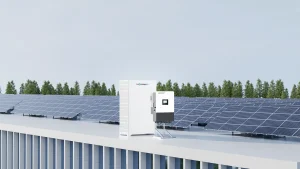
Hálózaton kívüli napelemes inverterek
A napelem által termelt egyenáram az inverterbe kerül. Az inverter váltakozó árammá (AC) alakítja, amelyet a hagyományos készülékek használhatnak. Az inverter az akkumulátorokból származó egyenáramot is képes váltóárammá alakítani. Ez egy sokoldalú eszköz, amely számos megoldáshoz használható.
A legtöbb modern, hálózaton kívüli napelemes inverter töltésvezérlővel is rendelkezik. Ez képes kezelni az akkumulátor töltését és kisütését. Figyelemre méltóak a modern inverterek, mint például a LuxpowerTek SNA, GEN és TriP2 sorozata. Ezek az eszközök fejlett vezérléssel, felügyelettel és védelemmel rendelkeznek.
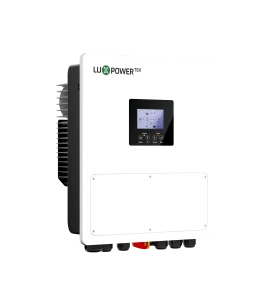
Akkumulátoros tárolórendszer
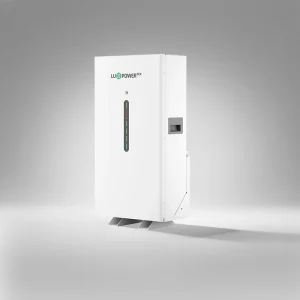
Az akkumulátoros tárolás jellemzően a napközben termelt felesleges napenergiát tárolja. A tárolt energiát éjszaka vagy felhős időben is felhasználhatja. Nem minden akkumulátorcsomag megbízható vagy tartós. A LuxpowerTek PGEM Max egy kiváló minőségű akkumulátoros tárolási megoldás. Stabil teljesítményt, hosszú élettartamot és biztonságos energiatárolást biztosít a hálózaton kívüli élethez.
Rögzítőrendszer és kábelek
A fent említett alkatrészek biztonságos rögzítéséhez rögzítőrendszerekre lesz szüksége. A köztük lévő kommunikáció biztosításához kábelekre lesz szüksége.
A szerelőkészletek a napelemeket tetőkre vagy talajra rögzítik. Biztosítják a panelek megfelelő szögét és stabilitását a széllel és az időjárással szemben.
A kábelek olyan csatlakozók, amelyek összekötik a paneleket, invertereket és akkumulátorokat. Lehetővé teszik az elektromos áram megfelelő áramlását a rendszerben.
LuxpowerTek Off-Grid napelemes inverterek Dél-Afrikában
A LuxpowerTek készen áll, hogy támogassa Dél-Afrikát a jelenlegi energiahelyzet kezelésében. A Luxpower inverteres megoldásait világszerte a legfejlettebb napelemes rendszerek némelyikében használják. A vállalat SNA, GEN és TriP2 sorozatai rendkívül népszerűek. Ez a három sorozat megfelelő energiamegoldásokat kínálhat a dél-afrikaiak számára.
Az SNA sorozat az egyetlen a három inverteres modell közül, amelyet hálózaton kívüli életre terveztek. Az SNA PRO-EU 3-6.5K vegyes rendszerekkel is működik. Akár 14 kW teljesítményig jobban választhat SNA2-EU-LTMindkét inverter ideális egyfázisú terhelésekhez és háztartási alkalmazásokhoz.
Ha az Ön otthonában fázisszéles rendszerekre van szükség, akkor jobb, ha fázisszéles invertereket választ. SNA 3-6K, 12-14 ezer, és SNA-US 6K az osztott fázisú inverterek kiemelkednek.
Ha hibrid opciókat keres, a LuxpowerTek GEN sorozat jó választás. Különböző típusok közül választhat, például egyfázisú és háromfázisúak közül. A GEN2-LB-EU 3-6K A generátor hatékonyan kezeli az energiát, és megbízhatóan tartalék áramot biztosít. Továbbá, GEN-LB-EU 3-6K és GEN-LB-EU 7-10K nagyobb teljesítményt tud kezelni.
Ha háromfázisú hibrid invertereket szeretne, a TriP2 termékcsalád jó választás lehet. Nagyobb rendszerekhez, például gyárakhoz vagy műhelyekhez ezek a kütyük nagyszerűen működnek. Nagy teljesítmény esetén a TriP2-HB-3P 6-30K és 5-20 ezer jól működnek.
LuxpowerTek napelemes tároló létesítmények
A LuxpowerTek akkumulátoros energiatároló rendszereket is kínál a hálózaton kívüli életvitelhez. Dél-Afrika sem kivétel. A vállalat akkumulátoros energiatároló megoldásait számos otthonban és vállalkozásban használják. Az ilyen rendszerek iránti kereslet gyorsan növekszik.
A LuxpowerTek főbb BSS megoldásai közé tartozik a Li-5, a PGEM, a PGEM PRO, a PGEM MAX, a PSHIELD és a PSTACK. Ezeket az akkumulátorokat úgy tervezték, hogy a rendszerméretek és energiaigények széles skáláját támogassák.
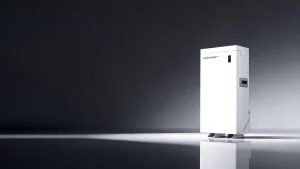
Ezen BSS sorozatok között, PGEM MAX Ideális a hálózaton kívüli élethez. Ez az egyik legfejlettebb lakossági energiatárolási megoldás. Általában falra szerelhető, így sok helyet takarít meg. Az akkumulátor LiFePO4 technológiát használ, amely környezetbarát és biztonságos a rendszeres használat során.
A PGEM MAX nagy energiatároló kapacitást is kínál. Szükség szerint bővíthető. Több akkumulátoregységet is csatlakoztathat hozzá. Ez a rugalmasság nem jellemző a helyi piacokon kapható más márkákra.
Következtetés
Dél-Afrikában az utóbbi időben súlyos áramkimaradások voltak. A jelentések szerint az ország engedélyezte az Eskomnak az áramárak emelését. Ugyanakkor az ország egész területén tapasztalható instabil áramellátás jelentős veszteségeket okoz sok embernek és vállalkozásnak. Emiatt a helyzet miatt az emberek egyre inkább alternatív energiamegoldásokat keresnek. Ebben az esetben a napelemes rendszerekkel való hálózaton kívüli élet praktikus és megbízható lehetőséggé válik.
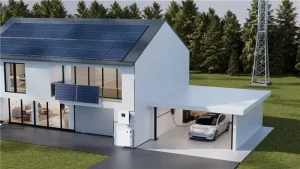
A LuxpowerTek fontos szerepet játszik e probléma megoldásában Dél-Afrikában. Az LXP inverterek és akkumulátoros tárolórendszerek számos különböző alkalmazásra alkalmasak. A vállalat számos modellt kínál, amelyeket különböző helyzetekre és energiaigényekre terveztek. Ezért fontos, hogy az Ön igényei alapján válassza ki a megfelelő modellt. Dél-Afrika számos felhasználója számára ezek a megoldások elengedhetetlenek a megbízható, hálózaton kívüli napelemes rendszerek kiépítéséhez.
Ha szeretne többet megtudni a LuxpowerTek napelemes rendszereiről, kérjük, vegye fel velünk a kapcsolatot.