

Single-phase hybrid inverters have become a must for every modern home. With the rise of solar panels, these inverters help meet homes’ energy needs. They not only power home appliances but also store excess current in batteries. However, the question remains: How does a single-phase hybrid inverter save energy and cut bills?
This question can be confusing, especially if you plan to install a solar system to meet your home’s energy needs. As you know, electricity costs are skyrocketing, leading to high bills. That’s where the Hybrid-Wechselrichter coupled with solar panels become beneficial. In this article, I will discuss how these inverters save energy and reduce bills. Let’s begin.
Quick Overview of Single-Phase Hybrid Inverters
Single-phase hybrid inverters are known for their smartness and advanced features. These are devices that handle four functions. These include:
- It converts DC from solar panels into AC.
- It uses AC to power devices and home appliances, such as lights and fans.
- It stores the excess DC (solar energy) in the battery. This stored energy is used when the sun is gone at night.
- In cases where net metering is available, these inverters can also send power to the grid once the batteries are charged.
Interestingly, these hybrid inverters perform these tasks with precision and in the correct order. First, it powers home appliances, which typically operate at 220-240V. If solar panels are producing less energy, these inverters will only power up home appliances. In such a case, they won’t store energy in batteries.
This is very useful when there are clouds and bad weather affects solar panels’ efficiency. When energy is generated in excess of what is consumed at home, the inverters start charging the batteries. Remember, DC is used to store in large batteries. If the batteries are fully charged and energy is still being replenished, inverters move to the next phase.
It starts sending power to the grid so that the energy can be used later when the batteries are drained. This advanced system makes hybrid inverters excellent, especially for meeting home energy demands. They can provide energy to homes on cloudy nights when no solar energy is available.
How a Single-Phase Hybrid Inverter Helps Achieve Energy Independence?
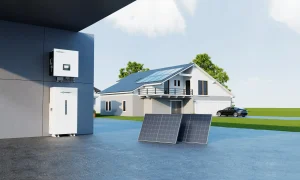
In the past, people had no option but to buy energy from the grid. Right? However, the electricity costs have gone up. Due to this, people who depend on conventional energy sources (from the government) are suffering. However, single-phase hybrid inverters are useful for achieving energy independence. How?
- In the daytime, solar panels produce DC. Single-phase hybrid inverters convert DC to AC and supply it to home appliances. In this way, all devices, even high-end ACs and heaters, perform best during the day. This means you won’t have to buy any energy from conventional means, i.e., grid stations.
- The single-phase hybrid inverters are smart and advanced. Once the home’s energy demand is met during the day, the inverter starts charging the battery. Remember, the energy used to charge the battery is excessive. This energy is left after the inverter powers the home appliances. Instead of being wasted, this energy is stored in a battery.
- At night, no solar energy is available. However, the hybrid inverters start using the DC (energy) stored in batteries. It converts it to AC and supplies it to the home appliance. So, your home still gets free electricity even when the sun isn’t shining.
In this way, the hybrid inverters provide energy both on cloudy days and at night. As a result, you won’t have to rely on grid power. Remember, these hybrid inverters automatically set priorities for meeting energy demands. This means you won’t even have to press any buttons. These inverters first meet the home’s energy demand, then store excess energy in the battery for later use.
How a Single-Phase Hybrid Inverter Cuts Electricity Bills?
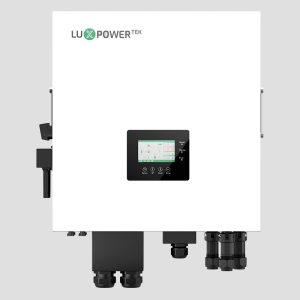
As I discussed above, hybrid inverters are useful in easily meeting the energy demands of modern homes. Not only do they offer enough energy, but they also significantly reduce the electricity costs or bills. In the section below, I will discuss how these inverters effectively cut the electricity burden.
1- Utilizes Free Solar Energy
First, single-phase hybrid inverters primarily use solar energy. For this, you’ll have to install solar panels on the roof of your homes. These panels will use sunlight to generate DC (energy). The single-phase hybrid inverter uses this DC energy and converts it into AC. Interestingly, the hybrid inverters can easily supply AC power directly to your home appliances. This means the solar panels will meet your home’s energy consumption during the day. In other words, there will be no cost of electricity during the daytime.
2- Smart Energy Storage in Batteries
During the day, solar panels produce more energy than the home appliances generally need. Instead of wasting it, the hybrid inverters use this excess energy. It smartly stores this excessive energy (DC) into the large batteries. Remember, this energy is only stored when energy is high and left after meeting home energy demand.
At night, solar energy is unavailable, but stored energy from the battery comes in handy. Single-phase hybrid inverters use stored energy to convert it to AC and power home appliances. In this way, your dependency on grid station energy is very low at night as well. This heavily reduces the electricity bills. Thanks to the ability of hybrid inverters to store and efficiently reuse the stored energy.
3- Peak-Time Electricity Usage
You might have a smaller solar setup that produces less energy. It is also possible that your home’s energy consumption exceeds the solar panels’ output. In such a case, you can use stored energy from batteries during the peak time.
Remember, the grid station’s electricity costs are high during peak hours. At this time, energy consumption is too high, resulting in higher electricity costs. During this, hybrid inverters will shift your home energy consumption to batteries. You won’t buy electricity for the grid station during peak hours. When battery storage is used, the hybrid inverter will shift again to the grid during off-peak hours.
This way, your electricity bill will be significantly reduced, even though you use a large amount of grid energy. The cost of an electricity unit during peak hours is always very expensive. Remember, some modern devices, such as GEN2-LB-EU 3-6K inverters, allow energy consumption monitoring. This means you can check the energy produced, consumed in the home, and stored. This way, you can monitor energy usage and ensure you use it during high peak times.
4- Net Metering
Many modern homes use net metering and hybrid inverters to reduce their electricity bills. How? As previously mentioned, the hybrid inverters charge the batteries when there is excessive energy. What happens when the batteries are fully charged, and there’s energy left over? In such cases, the single-phase hybrid inverters send the excess to the grid station.
Remember, net metering is a separate system that needs setup and approval from the electricity provider. When the setup is ready, the hybrid inverter will supply extra energy to the grid station after charging the batteries. This energy can be used later when the batteries are drained at night. Remember, some electricity providers offer different compensation options under net metering.
Some allow you to take your energy back when you need it. So, your dependency on conventional electricity will be minimal. This will result in very low electricity bills. Some electricity providers offer compensation with respect to the fixed rate per unit of electricity sent to the grid. The policy on net metering varies across countries. However, this is an excellent way to reduce electricity bills.
Schlussfolgerung
In conclusion, single-phase hybrid inverters are a fruitful investment. Despite the high initial cost, these inverters make life easier by reducing reliance on grid stations for energy. You won’t have to pay high electricity bills, which are expected to rise further.
The hybrid inverters are advanced enough to meet the energy demands of homes. They power the home appliance (220 to 240 V) and store excess energy in batteries. If net metering is enabled, these hybrid inverters can even send the energy to the grid station. These features eventually reduce homeowners’ electricity bills and prevent power outages.