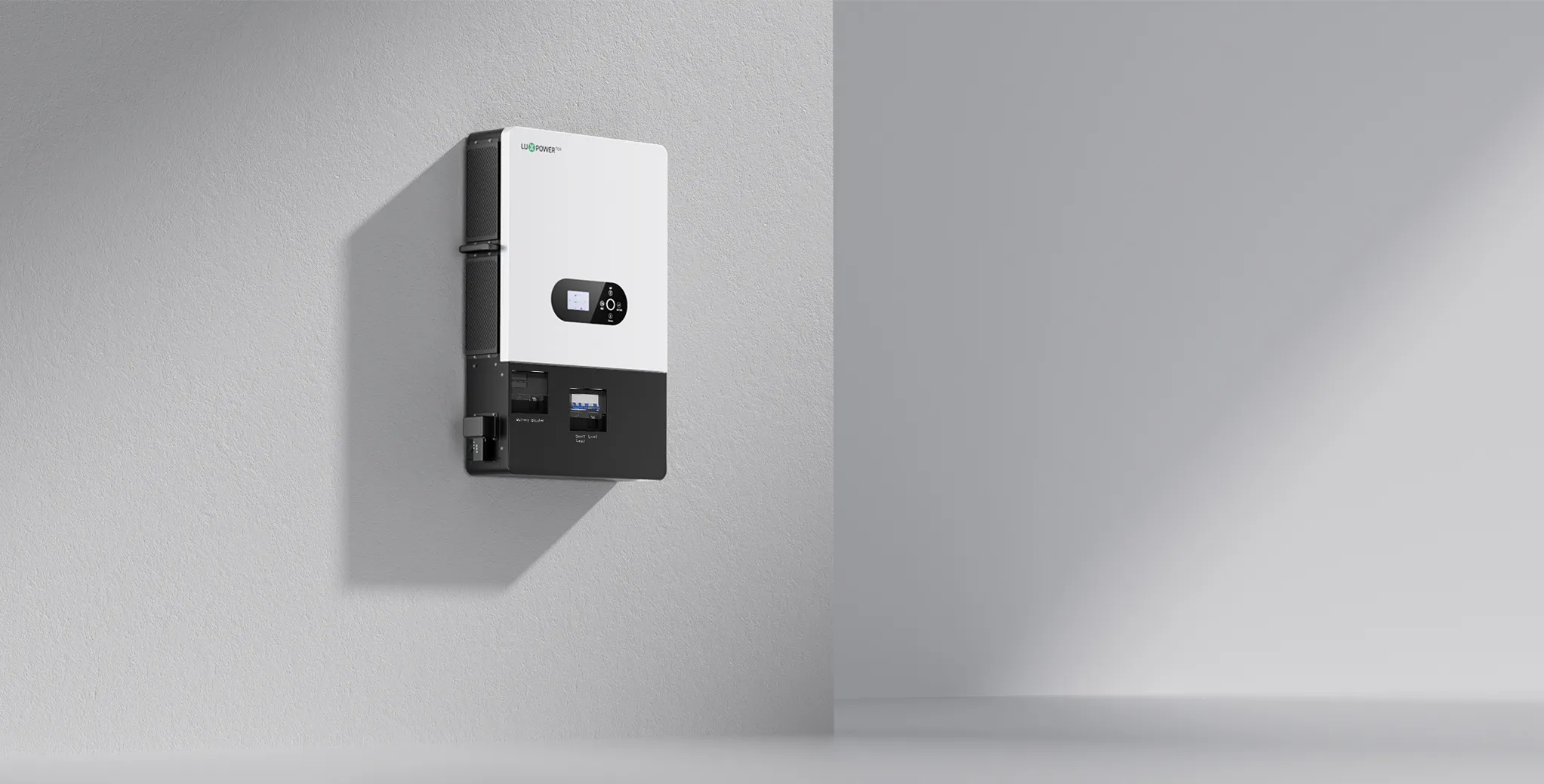
オフグリッド電源ソリューションにおける当社の最新の画期的な製品である Luxpower SNA 12-14K モデルは、12KW から 14KW の範囲の強力な電力出力を実現します。信頼性と汎用性を重視して設計されており、さまざまなアプリケーションでシームレスなエネルギー管理を実現します。

よくあるご質問
Product Basics:
What is the SNA-EU 12–14K series?
The SNA-EU 12–14K is a high-power single-phase energy storage inverter series designed for residential and light commercial applications. It integrates PV, battery, grid and generator power to provide flexible energy management and reliable backup power.
Is the SNA-EU 12–14K an off-grid or hybrid inverter?
The SNA-EU 12–14K is designed for both off-grid and hybrid energy storage applications. It can work with PV, batteries and the utility grid, while supporting backup power and intelligent energy management. Grid-connected functions should always be configured according to local regulations and grid requirements.
Can the SNA-EU 12–14K work completely off-grid?
Yes. The system can operate independently of the utility grid using PV and batteries, making it suitable for areas with no grid access or unreliable grid supply.
Can the inverter work without a battery?
Battery-free operation depends on the system configuration and operating conditions. For applications requiring stable backup power and continuous operation during PV fluctuations, a battery is recommended.
Can the inverter work without solar panels?
Yes. The inverter can operate with batteries and other available AC power sources even when PV is not connected. The actual operating behavior depends on the system configuration.
Can I add batteries later?
Yes. Battery capacity can be expanded later, provided the added batteries meet the system’s compatibility and battery configuration requirements.
Can it power an entire home during a blackout?
It can support high-power backup applications, but whether it can power the entire home depends on the total load, battery discharge capability and system configuration. Critical and high-power loads should be considered during system design.
Can it handle air conditioners, pumps and motors?
Yes, provided the load’s running power and starting surge are within the inverter and battery system capabilities. For motors, pumps, compressors and large air conditioners, both rated power and starting current should be considered.
What happens during a grid outage?
When a grid outage is detected, the inverter can supply connected backup loads from available PV and battery energy. Actual backup duration depends on battery capacity, SOC, PV generation and load consumption.
Installation:
Can the SNA-EU 12–14K be installed outdoors?
Installation must follow the IP rating and environmental requirements specified for the exact model. Even for outdoor-rated equipment, installation under a sheltered location away from prolonged direct sunlight, flooding and extreme environmental exposure is recommended.
What installation clearance is required
Adequate clearance should be maintained around the inverter for ventilation, heat dissipation, wiring and maintenance. Please follow the minimum clearance specified in the installation manual.
What cable and breaker sizes should I use?
Cable and breaker sizes depend on the inverter model, battery current, cable length and local electrical regulations. Always follow the latest LuxpowerTek installation manual and applicable local electrical codes.
Does the inverter require a CT or smart meter?
A CT or compatible meter may be required for functions that need real-time grid power measurement, such as export limitation or specific energy management functions.
Where should the CT be installed?
The CT should be installed at the designated grid connection point and in the correct direction according to the wiring diagram. Incorrect positioning or direction can cause inaccurate grid power measurement and abnormal energy management behavior.
What happens if the CT is installed in the wrong direction?
The inverter may interpret import as export, or vice versa. This can affect Zero Export and other grid power control functions. Check both the CT location and direction if grid power data appears incorrect.
Does the inverter need internet access to operate?
No. Internet access is not required for the inverter’s basic energy conversion and backup operation. Internet connectivity is mainly used for remote monitoring, configuration, diagnostics and supported firmware services.
Battery & Generator:
Which batteries are compatible with the SNA-EU 12–14K?
The inverter supports compatible battery systems, including supported lithium batteries with BMS communication. Please refer to the latest LuxpowerTek battery compatibility list for approved brands and models.
How should I choose the battery capacity?
Battery sizing should consider both energy capacity (kWh) そして power/current capability. For a high-power inverter, a battery with sufficient kWh but insufficient discharge current may still be unable to support the inverter’s full output.
Why is battery discharge current important for a 12–14K inverter?
High AC output requires significant power from the battery when PV or grid power is unavailable. If the battery’s maximum discharge current is too low, the inverter may need to limit output or the battery’s protection system may activate under heavy loads.
Can multiple batteries be connected together?
Yes, compatible battery systems can generally be expanded according to the battery manufacturer’s and LuxpowerTek’s configuration requirements. Communication, current limits and maximum supported battery quantity must be observed.
Can I mix different battery brands?
It is not recommended. Batteries in the same system should normally have compatible electrical characteristics, BMS communication and operating requirements.
Can I mix old and new batteries?
This should generally be avoided unless specifically supported by the battery manufacturer. Differences in capacity, internal resistance and SOC can affect system performance and battery life.
What happens if BMS communication is lost?
The inverter may report a battery communication warning or fault, and charging/discharging behavior may be limited depending on the battery and system configuration. Check the communication cable, battery protocol and BMS settings first.
Can the inverter charge batteries from the grid?
Yes. Grid charging can be enabled and scheduled according to the required energy management strategy.
Can a generator be connected to the SNA-EU 12–14K?
Yes, where supported by the specific model and configuration. Generator integration can provide an additional energy source when PV, battery or grid power is insufficient.
Can a generator charge the battery?
Yes. When properly configured, generator power can be used to supply loads and/or charge the battery.
What generator size should I use?
Generator sizing should consider the load demand, desired battery charging power, generator continuous output and the inverter’s AC input requirements. A generator should not be selected based only on the inverter’s rated power.
Working Modes & Energy Management:
Can the inverter prioritize solar power for household loads?
Yes. The system can be configured to prioritize PV energy for loads, reducing electricity consumption from the grid.
Can excess solar energy charge the battery?
Yes. Depending on the selected operating mode, surplus PV power can be used to charge the battery after meeting load demand.
Can the battery be charged from the grid during off-peak hours?
Yes. Scheduled grid charging can be configured to take advantage of lower electricity tariffs where applicable.
Does the SNA-EU 12–14K support Time of Use (TOU)?
Yes. Supported operating schedules allow users to manage battery charging and discharging according to different time periods and electricity tariffs.
Can I reserve part of the battery for backup?
Yes. Battery SOC settings can be configured to maintain an energy reserve for backup applications.
What happens when the battery reaches the minimum SOC?
Battery discharge will be limited or stopped according to the configured SOC limits and operating mode, helping protect the battery and preserve the required backup reserve.
Does the inverter support Zero Export?
The system supports export-control functionality in applicable configurations. A correctly installed CT or compatible meter is used to measure grid power so the inverter can regulate output accordingly.
Why might a small amount of power still be exported with Zero Export enabled?
Small, short-duration fluctuations can occur because household loads change rapidly and the inverter requires a short response time to adjust output. CT/meter accuracy, installation position and system settings can also affect export control performance.
What happens when the battery is full and PV generation exceeds the load?
The inverter manages PV output according to the selected operating mode, export settings and grid conditions. If export is restricted and the battery cannot accept additional energy, PV production may be reduced.
Monitoring & LuxCloud:
Can I monitor the SNA-EU 12–14K remotely?
Yes. With the appropriate communication device and internet connection, system data can be monitored remotely through the LuxpowerTek monitoring platform.
What information can I view remotely?
Users can monitor key system information such as PV generation, battery status, grid power, load consumption and historical energy data. Available information may vary by system configuration.
Will the inverter stop working if Wi-Fi or internet is disconnected?
No. Loss of internet connectivity does not normally stop the inverter’s local operation. Remote monitoring will be unavailable until the connection is restored.
Why does the inverter show “Offline” while my home still has power?
“Offline” on the monitoring platform usually indicates a communication or internet connection issue rather than an inverter power-conversion fault. Check the router, network connection and communication device.
Can installers monitor the system remotely?
Yes. Authorized installers can use LuxpowerTek’s monitoring tools to assist with system monitoring, configuration and troubleshooting.
Can inverter settings be changed remotely?
Supported parameters can be configured remotely by authorized users or installers. Access permissions and available settings depend on account type and system configuration.
Can firmware be updated remotely?
Supported firmware can be updated remotely when the inverter is connected to the LuxpowerTek platform. Firmware updates should follow LuxpowerTek technical guidance.
Parallel & System Expansion:
Can multiple SNA-EU 12–14K inverters operate in parallel?
Parallel operation is supported on compatible models. Parallel systems can increase total system power and provide greater flexibility for larger residential or light commercial applications.
Can I install one inverter now and add another later?
Yes, provided the existing and additional equipment meet the parallel compatibility requirements. System design, firmware, communication and battery configuration should be checked before expansion.
Do parallel inverters need compatible firmware?
Yes. Inverters operating in the same parallel system should use compatible firmware versions to ensure proper communication and coordinated operation.
Can batteries be expanded later?
Yes. Battery storage can be expanded within the supported system limits, provided the battery configuration and BMS requirements are met.
Can each parallel inverter have different PV arrays?
PV arrays can be designed according to the input requirements of each inverter. Each PV input must remain within the voltage, current and power limits specified for that inverter.
How is power shared between parallel inverters?
The inverters communicate and coordinate their output to supply the connected loads. Correct parallel communication wiring and configuration are essential for stable load sharing.
Can a parallel system use a generator?
Generator operation in a parallel system depends on the specific system configuration. The generator capacity, AC input settings and inverter coordination should be considered during system design.
Troubleshooting & Safety:
Why is the battery not charging?
Check whether charging is enabled, the battery SOC and BMS status, PV/grid availability, charging schedules and battery communication. Battery protection conditions may also temporarily prevent charging.
Why is the battery not discharging?
Possible causes include minimum SOC settings, discharge schedules, BMS limits, operating mode, insufficient load demand or battery protection status.
Why is there no PV generation?
Check PV voltage, DC isolators/breakers, polarity, irradiance and MPPT operating conditions. If the battery is full, loads are low and grid export is restricted, the inverter may also intentionally reduce PV production.
Why does the inverter use grid power when solar energy is available?
This can be caused by operating mode, SOC settings, TOU schedules, load changes or PV power being insufficient at that moment. Check the configured energy management strategy first.
Why does the inverter report an overload?
An overload occurs when load demand exceeds the inverter’s supported output conditions. Large motors and compressors can also create high starting power even when their normal running power appears acceptable.
Why does the system shut down when a large appliance starts?
The appliance may have a starting surge significantly higher than its rated power. Battery discharge capability, SOC, inverter surge capability and other simultaneous loads should all be checked.
Why does the fan run faster under heavy load?
Fan speed is automatically adjusted according to operating power and internal temperature. Higher fan speed during high PV output, battery charging/discharging or heavy load operation is normal.
Why is Backup/EPS output unavailable?
Check the inverter operating status, battery availability, SOC settings, backup configuration, protection status and wiring. If a fault is active, resolve the reported fault before restarting the backup system.
Why does the inverter show a grid fault?
A grid fault can occur when grid voltage, frequency or other grid conditions fall outside the configured limits. Wiring and grid-code settings should also be checked by a qualified installer.
What information should I provide when contacting LuxpowerTek technical support?
Please provide the inverter model, serial number, battery model, system configuration, fault code or screenshot, approximate time of the issue and, where relevant, photos or a wiring diagram. This helps the support team diagnose the issue more efficiently.
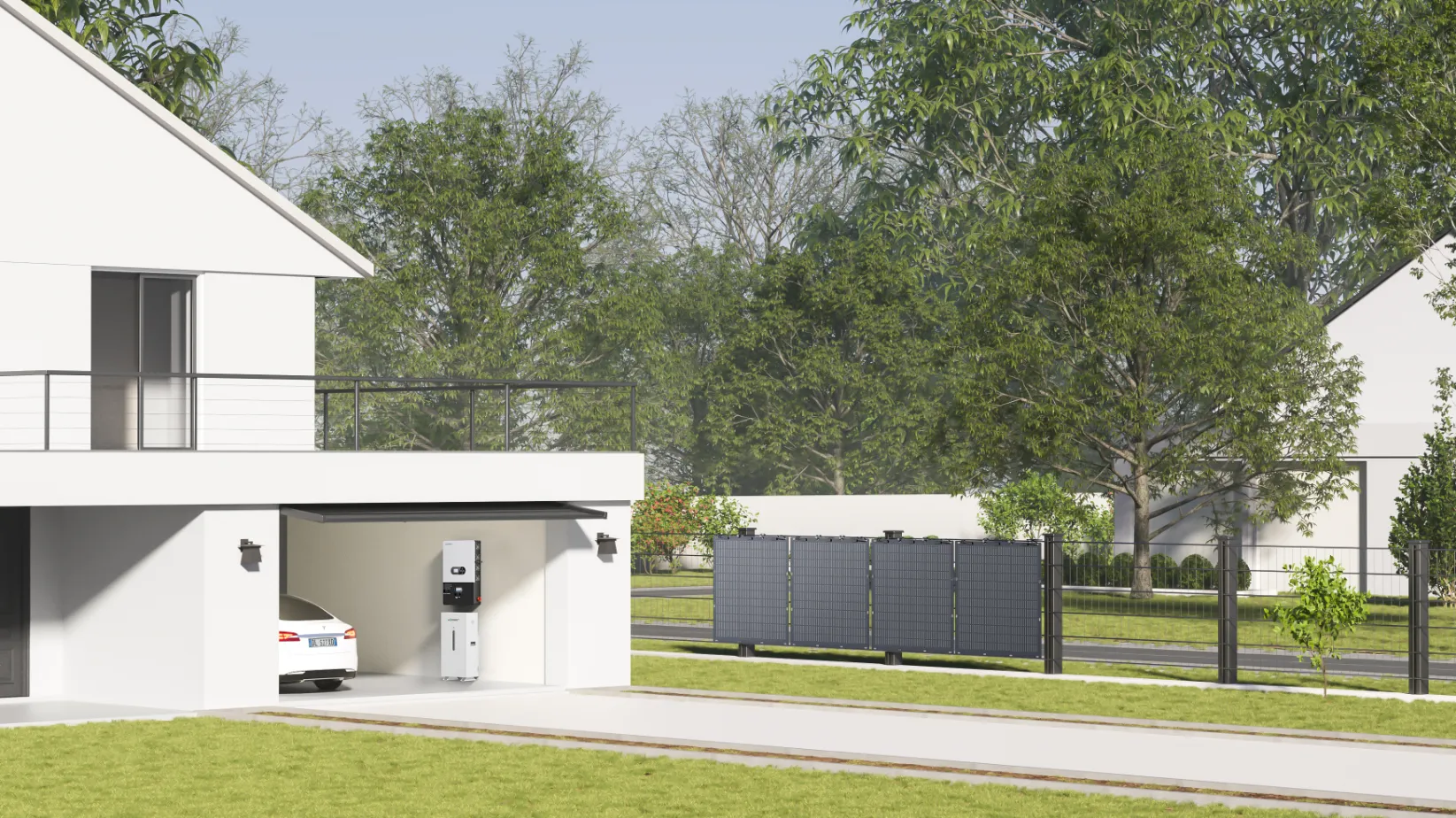
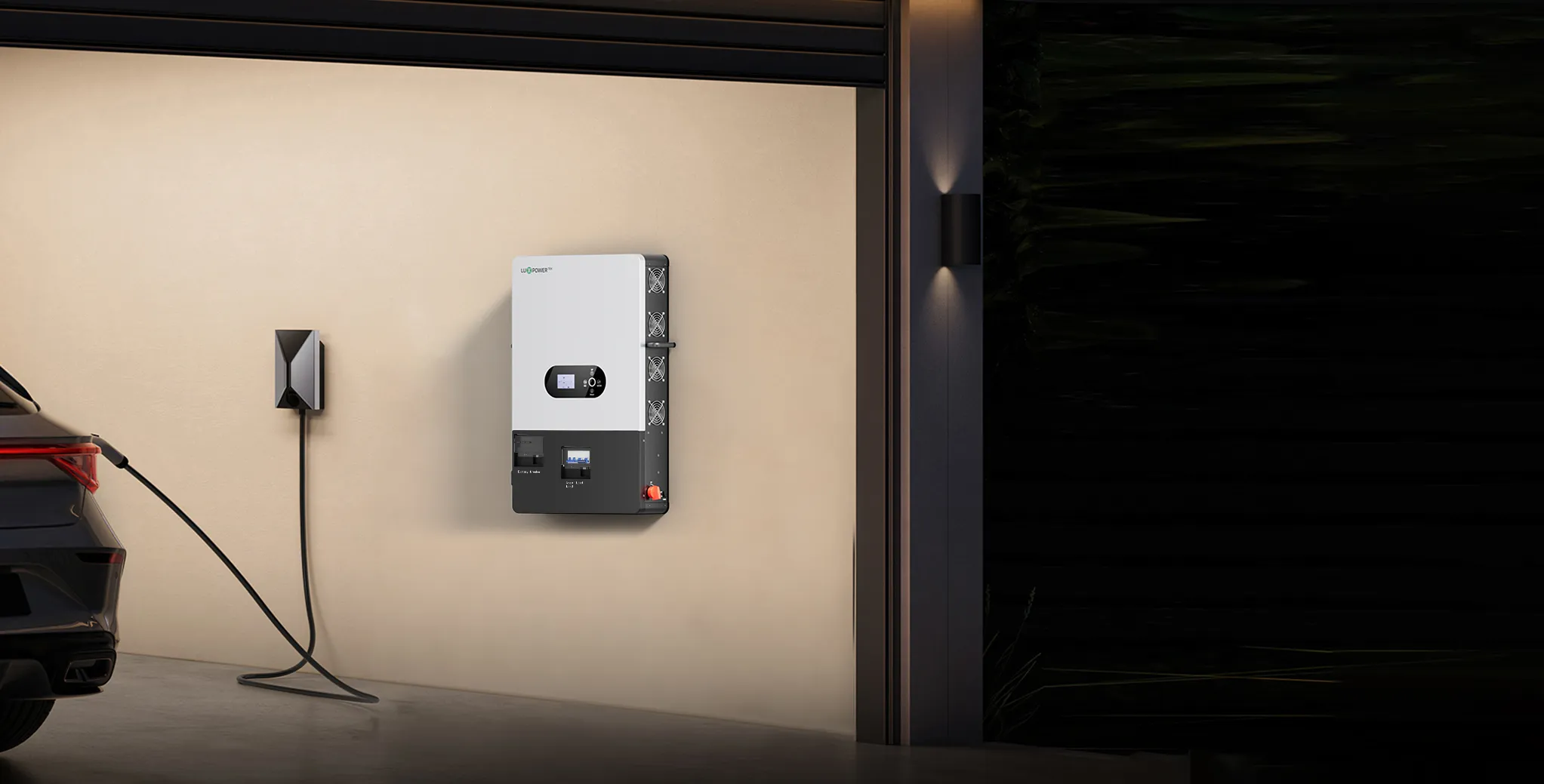
オフグリッド電源ソリューションにおける当社の最新の画期的な製品である Luxpower SNA 12-14K モデルは、12KW から 14KW の範囲の強力な電力出力を実現します。信頼性と汎用性を重視して設計されており、さまざまなアプリケーションでシームレスなエネルギー管理を実現します。
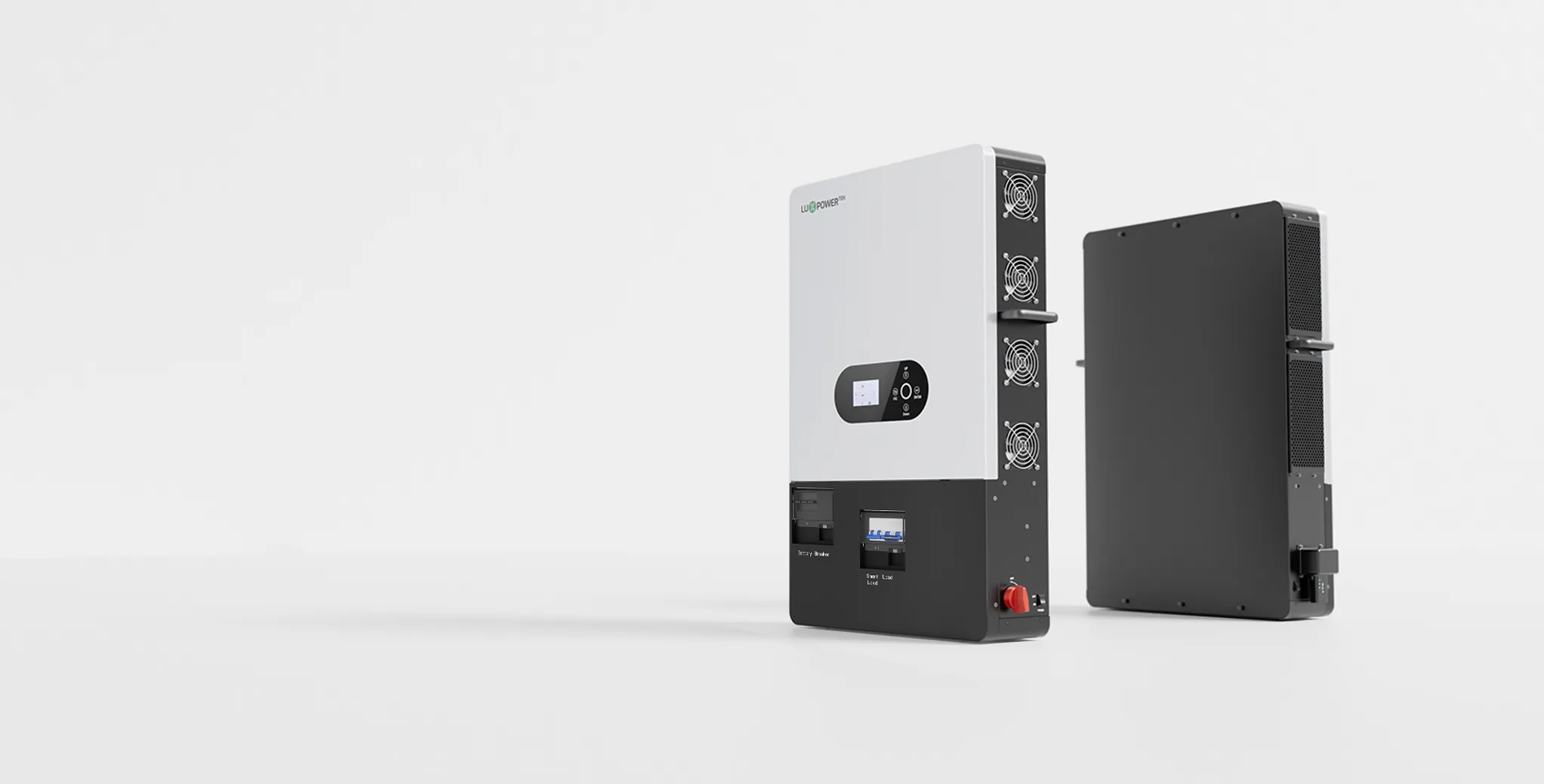
- PVまたはACまたはジェネレーター・ウェイクアップ・バッテリー
- 2 MPPT、4ストリング、最大。PV入力24kW
- 最大充放電電流:250A
- 複数の負荷を接続できるデュアルAC出力ポート
- 出力12kWの高需要向けオフグリッド・アプリケーション
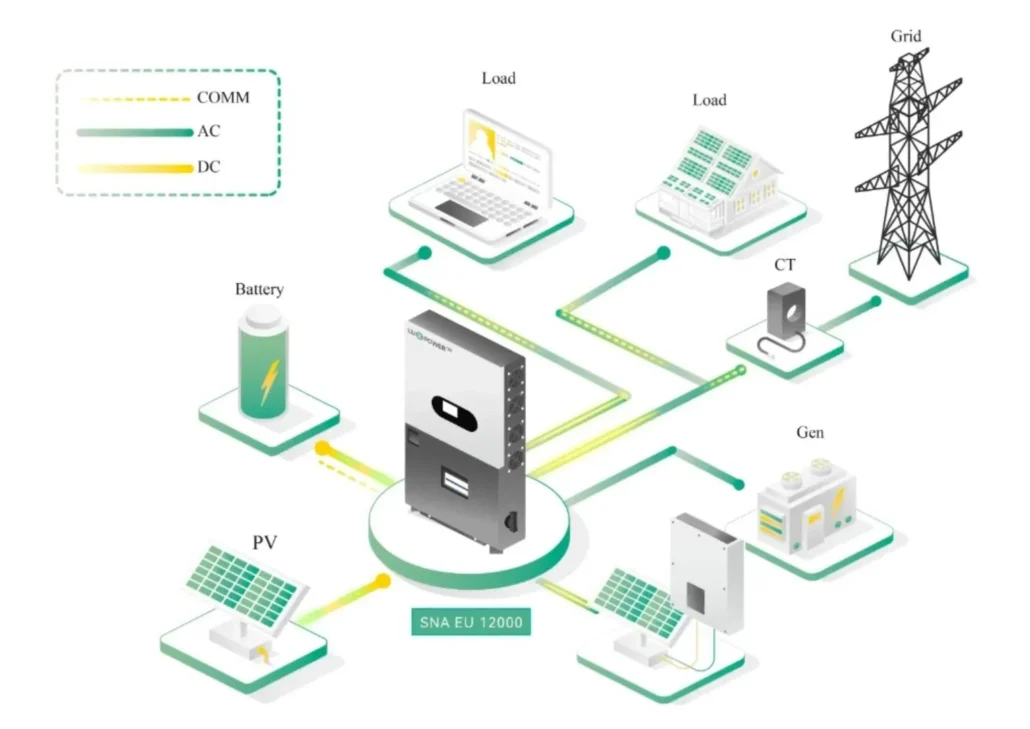
当社のシステムには、エネルギー使用を最適化するオングリッド、継続的な供給を実現するオフグリッド、柔軟なエネルギー管理を実現するハイブリッドなど、複数の動作モードが備わっています。どのような状況でも安全性、経済的な節約、効率的なエネルギー管理を保証する、安定した信頼性の高い電力出力を体験してください。
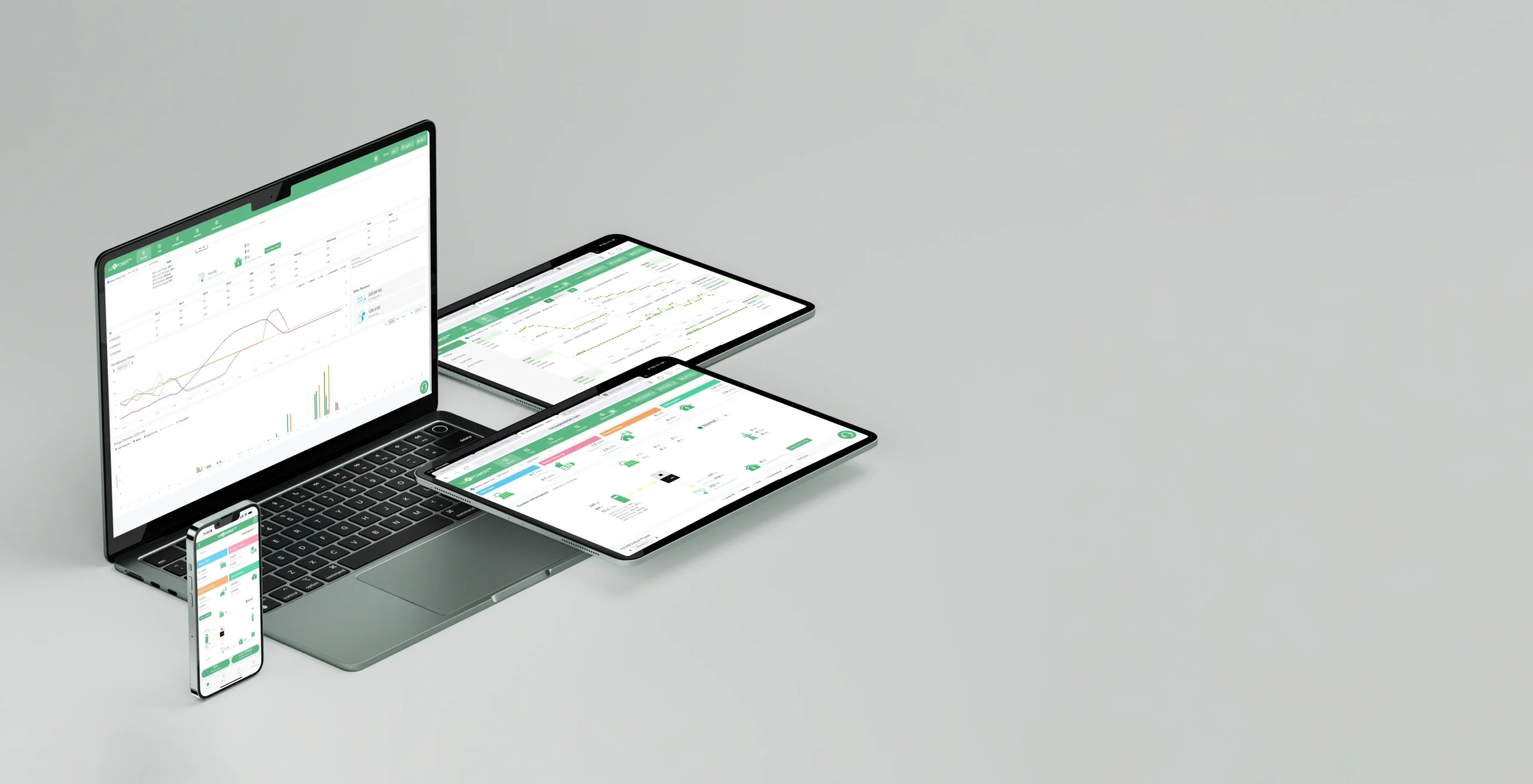


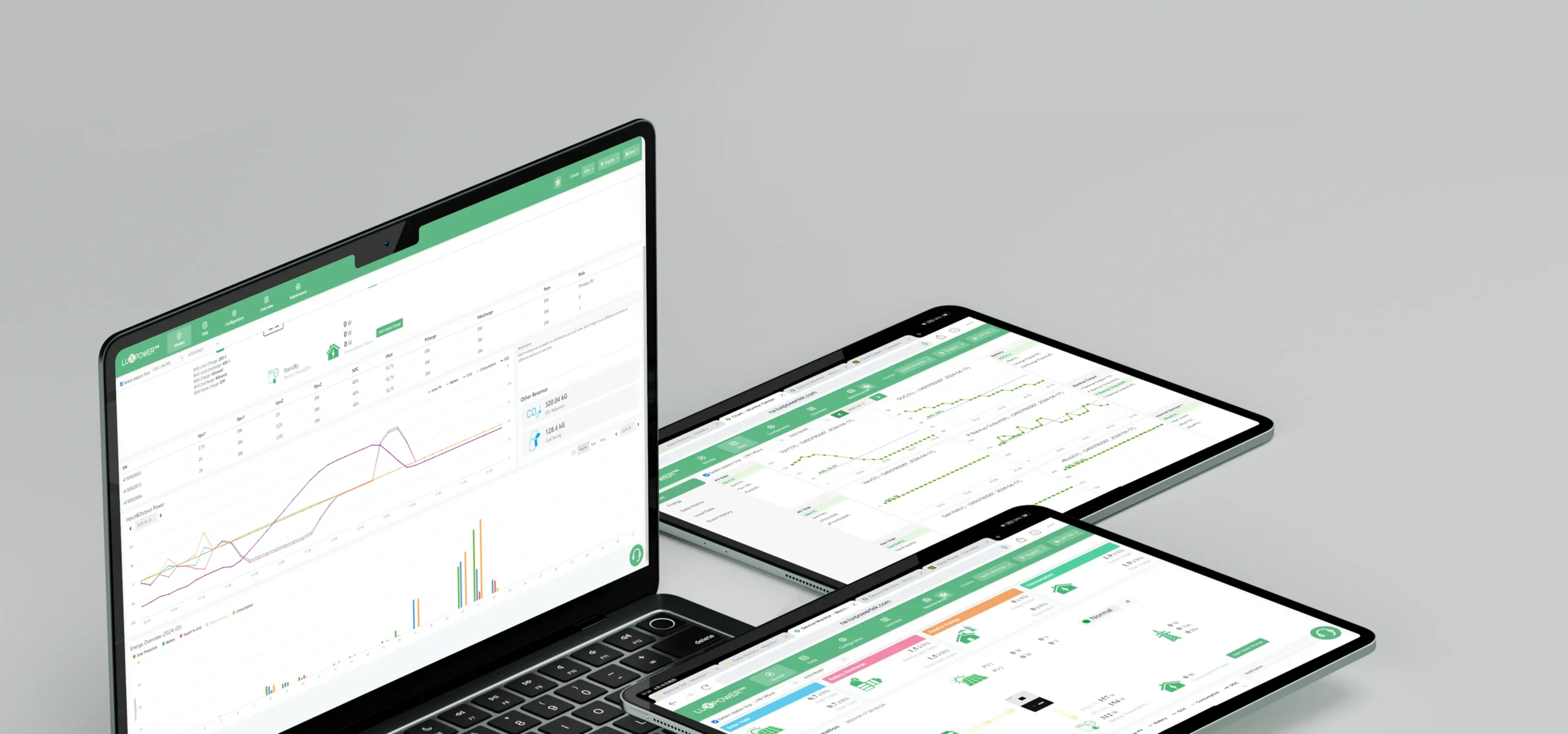
モニタリングの簡素化
当社のプラットフォームにより、リアルタイムの洞察、リモート管理機能、デバイスのシームレスな制御が可能になります。
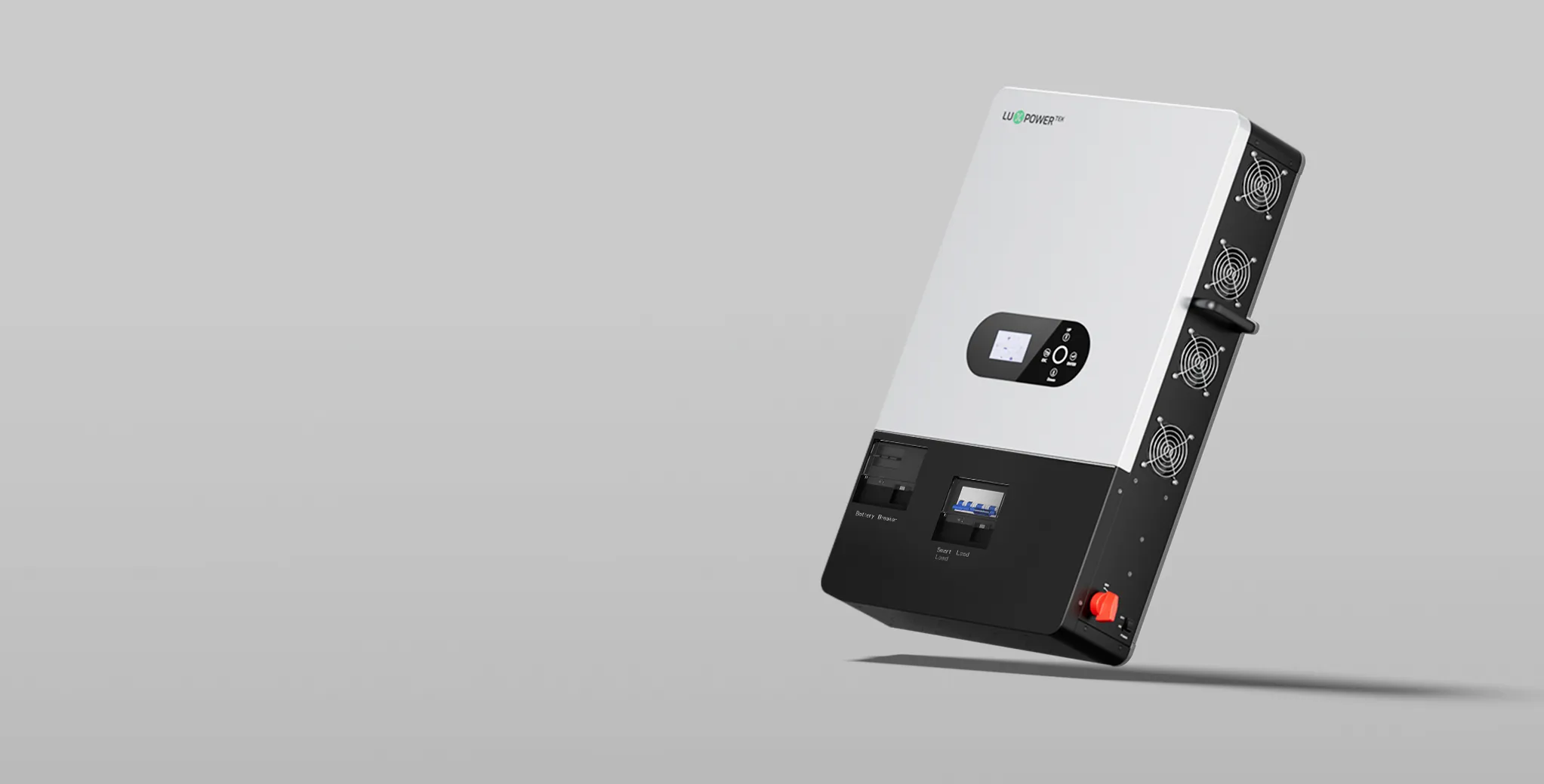
SNA 12-14K について詳しく知りたいですか?
データシート

ユーザーマニュアル
証明書

Q&A